










Project Skyline Crane Link: Tower Crane WiFi Coverage and Wireless CCTV Transmission for a High Rise Construction Site in Dubai
Contractor Team Introduction
We are a local Shenzhen WiFi engineering contractor with extensive experience in construction site WiFi coverage, tower crane wireless transmission, outdoor CCTV backhaul, site office networks, high altitude equipment connectivity, warehouse WiFi, hotel WiFi, public area coverage, and temporary project network deployment. Our team has supported high rise construction sites, commercial complex projects, bridge construction zones, industrial yards, port lifting areas, steel structure projects, and large outdoor security monitoring systems.
Tower crane coverage is one of the most demanding wireless scenarios on a construction site. The network must support the crane operator cabin, tower crane platform, boom cameras, hook cameras, site entrance cameras, perimeter monitoring points, site office users, safety management devices, and temporary outdoor work zones. Unlike a fixed building network, a tower crane environment involves height, rotation, steel structure reflection, vibration, dust, rain, temporary power, changing floor levels, moving machinery, and strict safety windows.
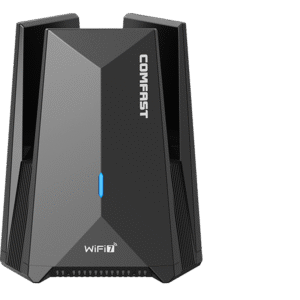
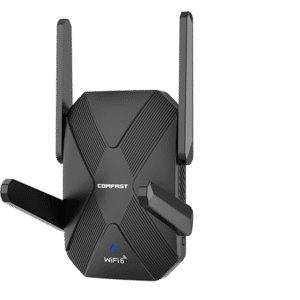
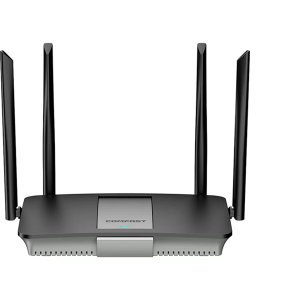
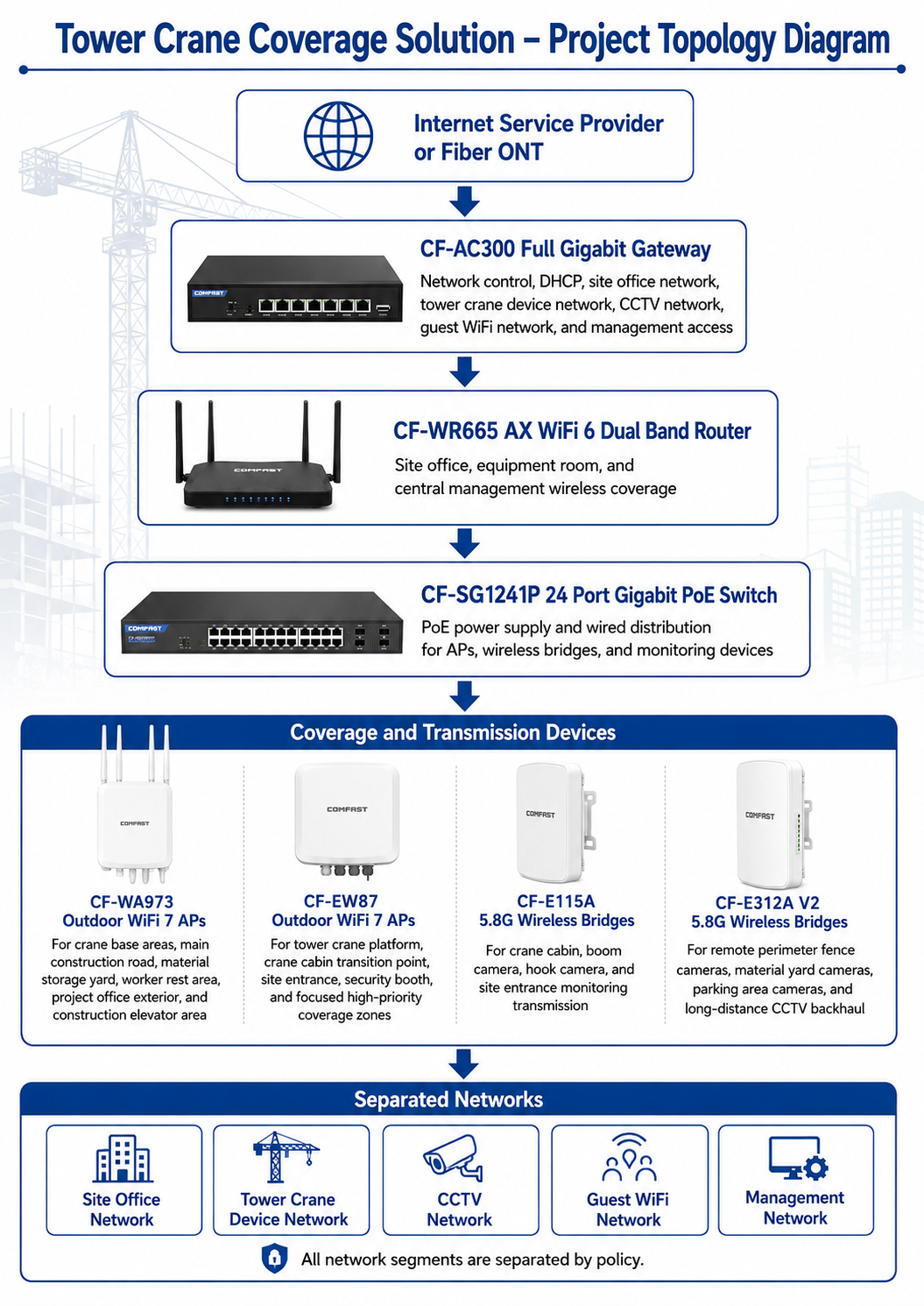
We have used COMFAST equipment in many outdoor WiFi and wireless bridge projects. From our field experience, COMFAST gateways, WiFi 6 routers, outdoor WiFi 7 APs, PoE switches, and 5.8G wireless bridges are practical for construction environments because they support flexible deployment, centralized power, clean installation, and stable wireless transmission when installed correctly. For this tower crane project, we selected COMFAST CF-AC300 full gigabit gateway, CF-WR665 AX WiFi 6 dual band router, CF-SG1241P 24 port gigabit PoE switch, CF-WA973 outdoor WiFi 7 APs, CF-EW87 outdoor WiFi 7 APs, CF-E115A 5.8G wireless bridges, and CF-E312A V2 5.8G wireless bridges.
This case study documents our Tower Crane Coverage Solution for Skyline Crane Link, a high rise construction project in Dubai. The project covered the site office, tower crane cabin, tower crane platform, boom camera points, hook camera transmission, crane base area, main construction road, material storage yard, worker rest area, construction elevator zone, site entrance, security booth, perimeter fence cameras, remote CCTV points, and central equipment room.
1. Project Overview
Basic Project Information
Project Name: Project Skyline Crane Link
Project Location: Business Bay, Dubai, UAE
Site Type: High rise commercial tower construction site
Planned Building Height: 238 meters
Tower Cranes Covered: 3 tower cranes
Site Coverage Area: Approximately 42,000 square meters
Main Coverage Areas: Site office, tower crane cabins, tower crane platforms, crane base areas, boom camera points, hook camera systems, site entrance, security booth, construction elevator zone, material storage yard, main construction road, worker rest area, and remote perimeter CCTV points
Project Type: Tower Crane Coverage Solution with high altitude WiFi coverage, wireless CCTV transmission, site network segmentation, and outdoor AP deployment
Project Cycle: Five weeks from survey to final acceptance
Construction Window: Approved low lifting periods, night work windows, and safety controlled access times to avoid interrupting crane operation and site production
The construction project required stable network access for three tower cranes, multiple safety cameras, the site office, security monitoring, and temporary work zones. The original network was concentrated around the project office and could not reliably support tower crane cabins or high altitude video transmission. The customer needed a professional wireless solution that could keep tower crane video, hook camera monitoring, site CCTV, office access, and management traffic separated and stable.
2. Customer Pain Points Before the Project
The Site Office Network Could Not Reach Tower Crane Cabins
The site office had a working internet connection, but its wireless coverage was limited to the office and nearby ground level areas. Tower crane operators could not rely on that signal from the crane cabin. As crane height increased, the connection became weaker and more unstable.
Hook Camera Video Was Not Smooth Enough
The customer used hook cameras to assist lifting visibility and safety supervision. The previous wireless link suffered from freezing, delay, and occasional dropouts. For tower crane work, unstable hook camera video directly affects safety confidence and lifting coordination.
Boom Rotation Changed Signal Conditions
A tower crane is not a fixed wireless endpoint. The boom rotates, the hook moves, construction material rises, and steel structures change around the crane. The original wireless setup worked in one direction but became weaker when the boom rotated or when temporary steel sections blocked the path.
Steel Structure Reflection Created Unstable RF Behavior
The construction site had rebar cages, steel beams, scaffolding, temporary platforms, metal formwork, and crane mast sections. These structures reflected and blocked wireless signals. Standard outdoor WiFi planning was not enough. We had to design around a constantly changing metal environment.
Site Entrance and Perimeter CCTV Backhaul Was Unstable
The site entrance, perimeter fence, remote material yard, and parking edge had cameras that were difficult to cable. Temporary routes were messy and vulnerable to construction traffic. The customer needed a wireless bridge solution that would reduce cable exposure and improve video reliability.
Construction Elevator and Material Storage Areas Had Weak Coverage
The construction elevator zone and material storage yard had weak WiFi. Supervisors and equipment managers needed stable mobile access in these areas for coordination, delivery verification, and safety communication.
Networks Were Not Properly Separated
The original setup mixed site office users, visitor devices, cameras, crane related devices, and management access. This created troubleshooting difficulty and increased the risk of public or temporary users affecting critical monitoring traffic.
3. Customer Requirements
Confirmed Requirements from the Construction Management Team
Stable network access in tower crane cabins.
Smooth wireless transmission for hook camera and boom camera video.
Reliable tower crane device network separated from office and guest traffic.
Stable WiFi coverage around crane base areas, construction elevator, material storage yard, site entrance, worker rest area, and main construction road.
Reliable CCTV wireless bridge transmission for perimeter fence cameras, site entrance cameras, and remote material yard monitoring points.
Separate site office network, tower crane device network, CCTV network, guest WiFi network, and management network.
Centralized PoE power supply for APs, bridges, and monitoring devices where practical.
Outdoor equipment installation suitable for dust, heat, vibration, rain, temporary power conditions, and construction site impact risk.
Installation work coordinated with crane safety schedules, lifting plans, and site access permits.
Clear AP location records, bridge alignment records, port labels, topology notes, and IT handover documentation.
4. COMFAST Equipment Used in This Project
The following are the main COMFAST equipment models used in this project and their usage descriptions.
| Equipment Model |
Type | Project Use | Reason for Use |
|---|---|---|---|
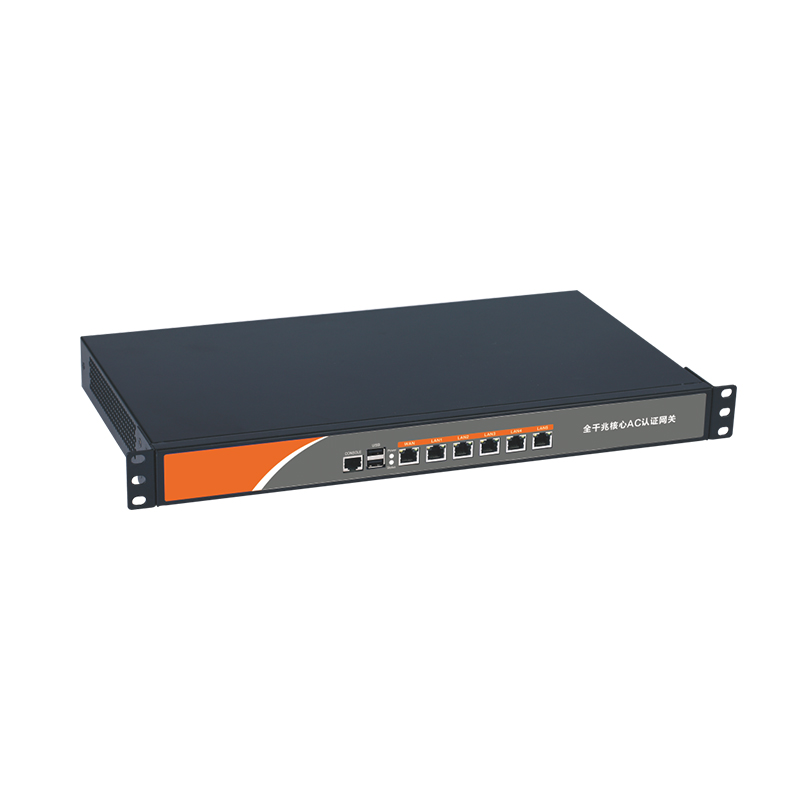
| CF-AC300 | Full gigabit gateway | Main gateway, DHCP, site office network policy, tower crane device network policy, CCTV network policy, guest WiFi policy, and management access | Suitable as the construction site core gateway, keeping crane devices, hook camera video, CCTV, office users, guest WiFi, and management traffic separated |
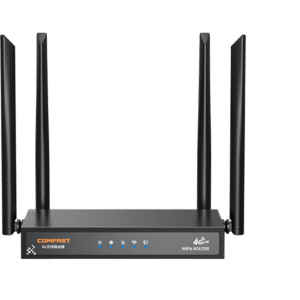
| CF-WR665 AX | WiFi 6 dual-band router | Site office, central equipment room, project manager access, IT maintenance access, and authorized office devices | Provides stable office-area WiFi 6 coverage and controlled management access near the main network equipment |
| CF-SG1241P | 24-port gigabit PoE switch | PoE power supply and wired distribution for outdoor APs, wireless bridge devices, and selected monitoring points | Centralized PoE reduces messy power adapters, supports future temporary camera expansion, and makes construction-site maintenance easier |
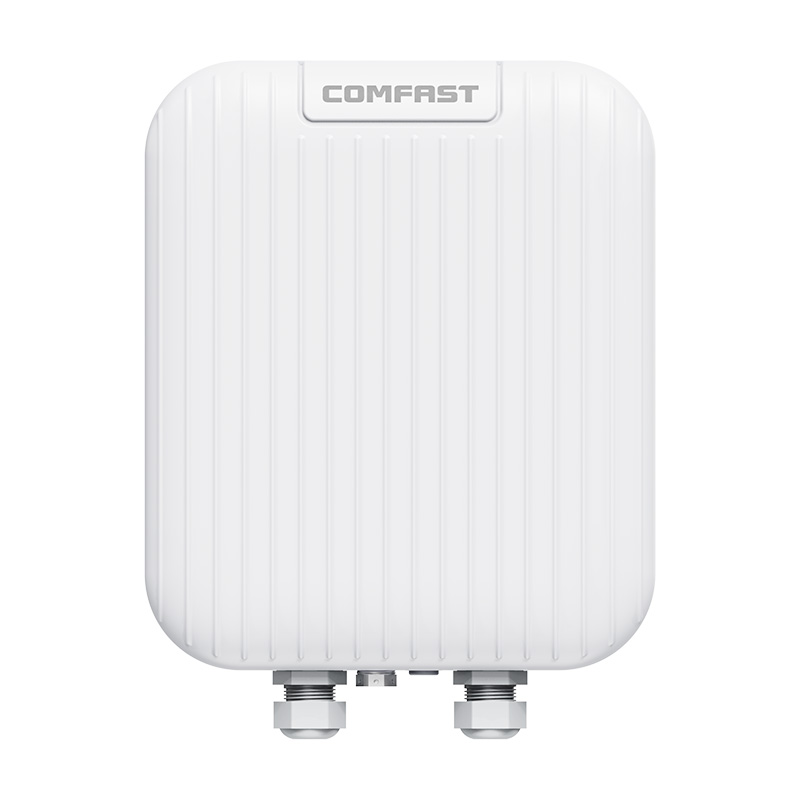
| CF-WA973 | Outdoor WiFi 7 AP | Crane base areas, main construction road, material storage yard, worker rest area, project office exterior, and construction elevator surroundings | Suitable for ground-level wide outdoor coverage, supporting supervisors, safety staff, equipment managers, and mobile field operations |
| CF-EW87 | Outdoor WiFi 7 AP | Tower crane platform areas, crane cabin transition points, site entrance, security booth, and selected high-priority coverage locations | Used for focused coverage in high-priority crane and entrance areas where standard ground coverage is not enough |
| CF-E115A | 5.8G wireless bridge | Tower crane cabin connectivity, boom camera backhaul, hook camera video transmission, and site entrance monitoring links | Suitable for crane-related video and medium-distance links that require stable transmission under crane rotation, vibration, and changing site conditions |
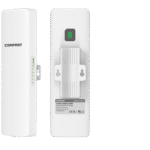
| CF-E312A V2 | 5.8G wireless bridge | Remote CCTV backhaul for perimeter fence cameras, material yard cameras, parking area cameras, and monitoring points where cabling was difficult | Avoids exposed long cable runs across active construction roads, material routes, and temporary work areas while maintaining stable CCTV transmission |
5. Project Equipment Configuration Quantity
Based on the approximately 42,000 square meter high-rise construction site, 238-meter planned building height, 3 tower cranes, tower crane cabins, crane platforms, boom camera points, hook camera systems, crane base areas, main construction road, material storage yard, worker rest area, construction elevator zone, site entrance, security booth, and remote perimeter CCTV points, the recommended equipment configuration for this project was as follows:
| Equipment Model | Quantity | Deployment Location |
|---|---|---|
| CF-AC300 | 1 unit | Central equipment room, used as the full gigabit gateway for site office access, tower crane device network, CCTV network, guest WiFi, and management access |
| CF-WR665 AX | 1 unit | Site office and central equipment room area, providing WiFi 6 access for project managers, authorized office users, and IT maintenance devices |
| CF-SG1241P | 2 units | Central equipment room and construction-site distribution point, used for PoE power supply, AP connection, bridge connection, monitoring points, uplink ports, and future temporary camera expansion |
| CF-WA973 | 8 units | Crane base areas, main construction road, material storage yard, worker rest area, project office exterior, construction elevator surroundings, and ground-level outdoor work zones |
| CF-EW87 | 6 units | Three tower crane platform areas, crane cabin transition points, site entrance, security booth, and high-priority crane operation coverage zones |
| CF-E115A | 6 pairs | Three tower crane cabin links, boom camera backhaul links, hook camera video transmission links, and site entrance monitoring links requiring stable medium-distance transmission |
| CF-E312A V2 | 5 pairs | Perimeter fence cameras, remote material yard cameras, parking area cameras, and remote monitoring points where new cable routes were not practical |
6. Project Topology Diagram
Overall Network Topology
7. Site Survey and Troubleshooting Process
Tower Crane Height and Rotation Survey
We started by reviewing the tower crane height, mast position, rotation radius, boom direction, future climbing schedule, and operator cabin location. A tower crane coverage design must account for current height and future height changes because the RF environment changes as the structure rises.
Crane Cabin and Platform Inspection
We inspected the operator cabin, crane platform, electrical cabinet area, mounting points, cable protection routes, and safe access paths. We confirmed where APs and bridge devices could be mounted without interfering with crane operation, operator visibility, or maintenance access.
Hook Camera and Boom Camera Point Review
We checked the camera positions for the hook monitoring system and boom monitoring points. These video feeds required stable wireless transmission because they supported lifting visibility, load movement observation, and safety supervision.
Steel Structure and Obstruction Analysis
The site had rebar cages, steel beams, temporary scaffolding, formwork, tower crane mast sections, and machinery. We identified possible wireless reflection and obstruction zones. We also checked how future floor progress could affect bridge paths.
Ground Level Coverage Survey
We tested coverage around crane base areas, site office exterior, main construction road, material yard, worker rest area, construction elevator zone, site entrance, and security booth. Ground level coverage was important for supervisors, safety staff, and equipment managers.
Remote CCTV Bridge Path Survey
We inspected perimeter fence cameras, parking area cameras, material yard cameras, and remote monitoring points. For each CF-E312A V2 bridge link, we checked line of sight, mounting height, obstruction from cranes and vehicles, cable protection, power availability, and weather exposure.
Safety Window and Work Permit Coordination
All high altitude installation work had to follow site safety rules. We coordinated with the project manager, crane supervisor, and safety manager to schedule work during approved low lifting windows. We also confirmed access permits, PPE requirements, and lockout coordination before installation.
8. Problems Found During Implementation
The Site Office Router Could Not Support High Altitude Crane Access
The original office router was useful only for the project office. It could not reliably serve the tower crane cabin or platform. We replaced the simple office WiFi approach with a structured gateway, PoE switch, outdoor AP, and wireless bridge architecture.
Crane Rotation Changed Wireless Conditions
The crane boom changed direction throughout the day. A link that looked clean in one position could be affected when the boom rotated or when lifted materials crossed the path. We planned bridge paths and AP locations with rotation and temporary obstruction in mind.
Steel and Rebar Created Reflection and Signal Shadows
The site contained large amounts of metal. Rebar, scaffolding, steel beams, and crane sections caused reflection and signal shadowing. We avoided relying on one strong signal source and instead used targeted AP and bridge placement.
Hook Camera Video Needed Stable Low Delay Transmission
The hook camera was one of the most important video sources. We used dedicated CF-E115A 5.8G bridge planning for crane related video transmission and kept this traffic separated from guest WiFi and office traffic.
Remote Fence Cameras Were Not Practical to Cable
Several perimeter fence cameras were far from the equipment room. Cable trenching would have crossed temporary vehicle routes and material storage areas. CF-E312A V2 wireless bridges provided a cleaner solution for long distance CCTV backhaul.
Dust, Heat, Vibration, and Temporary Power Needed Attention
The site environment was dusty, hot, and full of vibration from equipment. We paid close attention to mounting firmness, cable protection, device exposure, PoE power stability, and safe routing around moving equipment.
Installation Could Not Interrupt Lifting Operations
Tower crane work cannot be interrupted casually. Installation had to be scheduled around lifting plans, safety inspections, concrete pour schedules, and equipment access windows. We completed work in phases to protect site production.
9. Final Engineering Solution
Core Gateway and Policy Control
We installed the CF-AC300 full gigabit gateway as the central network control device. It handled DHCP, site office access, tower crane device access, CCTV traffic, guest WiFi, and management access. This gave the project a clean and controlled network foundation.
Site Office Wireless Coverage
The CF-WR665 AX WiFi 6 dual band router provided stable wireless coverage for the site office, equipment room, and management area. It supported project managers, IT users, and authorized office staff.
PoE Distribution for APs and Bridges
The CF-SG1241P 24 port gigabit PoE switch powered outdoor APs, bridge devices, and selected monitoring points. Centralized PoE helped reduce messy power adapters and made future maintenance easier.
Ground Level Outdoor Coverage
CF-WA973 outdoor WiFi 7 APs were installed around crane base areas, main construction road, material storage yard, worker rest area, project office exterior, and construction elevator surroundings. These APs supported supervisors, safety staff, and field operations.
High Priority Crane and Entrance Coverage
CF-EW87 outdoor WiFi 7 APs were deployed for tower crane platform areas, crane cabin transition points, site entrance, security booth, and selected high priority zones. These APs helped strengthen wireless access where standard ground coverage was not enough.
Crane Video Wireless Bridge Transmission
CF-E115A 5.8G wireless bridges were used for crane related video transmission, including hook camera, boom camera, and crane cabin connectivity. These links were aligned and tested under different crane operating positions.
Remote CCTV Wireless Bridge Backhaul
CF-E312A V2 5.8G wireless bridges were used for remote perimeter fence cameras, material yard cameras, and parking area cameras. This reduced the need for exposed long cable runs across active construction zones.
10. Different Area Network Design
Site Office Coverage
The site office was covered by the CF-WR665 AX WiFi 6 router and connected through the CF-AC300 gateway. Office devices, project management laptops, and administration users were kept on the site office network.
Tower Crane Cabin Coverage
The tower crane cabin required stable access for crane related devices and monitoring. We used a combination of CF-EW87 high priority outdoor coverage and CF-E115A bridge transmission to support crane cabin connectivity.
Tower Crane Platform Coverage
The tower crane platform was a high altitude maintenance and monitoring zone. Equipment placement had to avoid movement areas and safety access paths. CF-EW87 APs were installed with secure mounting and cable protection.
Boom Camera Transmission
Boom cameras were connected through dedicated 5.8G wireless bridge planning. We tested video continuity while the crane changed direction to confirm that transmission remained stable under practical site movement.
Hook Camera Transmission
Hook camera video was treated as a priority traffic type. The CF-E115A bridge link was aligned carefully, and the video stream was tested during different hook positions and lifting preparation scenarios.
Crane Base Area Coverage
The crane base area required WiFi for maintenance staff, safety inspectors, and crane support devices. CF-WA973 APs provided ground level coverage around the base without relying on the site office signal.
Main Construction Road Coverage
The main construction road needed wireless access for supervisors, delivery coordination, and mobile safety checks. AP placement avoided vehicle impact zones and material movement routes.
Material Storage Yard Coverage
The material storage yard required coverage for equipment managers and security monitoring. CF-WA973 APs and CF-E312A V2 bridge links supported both local WiFi and remote camera transmission.
Worker Rest Area Coverage
The worker rest area had controlled guest WiFi. It was separated from crane devices, CCTV, and site office systems to avoid traffic conflicts.
Construction Elevator Area Coverage
The construction elevator area was a busy transition point for workers and supervisors. CF-WA973 APs were positioned to cover waiting and coordination zones while avoiding elevator machinery interference.
Site Entrance and Security Booth Coverage
The site entrance and security booth required staff access, visitor check in support, and CCTV monitoring. CF-EW87 APs provided focused coverage, while camera traffic was separated through the CCTV network.
Perimeter Fence CCTV Wireless Transmission
Remote fence cameras used CF-E312A V2 bridge backhaul. This allowed the site to monitor perimeter areas without running long exposed cables across temporary construction routes.
11. Tower Crane Wireless Transmission Design
Crane Cabin Link Design
The crane cabin link was designed for stability rather than maximum range only. We selected mounting points that maintained practical visibility to the receiving side and avoided interfering with operator movement or cabin safety equipment.
Boom Camera Link Design
The boom camera link used CF-E115A 5.8G bridge planning with attention to boom rotation, steel sections, temporary lifting material, and changing construction height. We tested the camera feed in multiple crane positions.
Hook Camera Link Design
The hook camera required stable video when the hook moved vertically and horizontally. We treated hook camera traffic as critical monitoring traffic and kept it separated from public WiFi and normal office traffic.
Rotation and Obstruction Testing
After bridge alignment, we tested signal behavior with crane boom movement and active site conditions. We checked video continuity when the crane rotated, when materials moved nearby, and when the site had normal equipment activity.
12. Outdoor AP and Bridge Installation Details
High Altitude Mounting
High altitude mounting was done only during approved safety windows. Devices were installed with secure brackets, cable protection, and maintenance access in mind. We avoided placing equipment where it could interfere with crane operation or inspection access.
Dust, Rain, Heat, and Vibration Protection
Construction sites expose equipment to dust, heat, rain, vibration, and accidental contact risk. We paid attention to mounting firmness, cable entry direction, drip loops, conduit protection, and safe cable routing.
PoE Power and Cable Labeling
The CF-SG1241P PoE switch simplified power delivery for APs and bridge devices. Every device port was labeled at the cabinet side and recorded in the handover file.
Channel, Power, and Bridge Alignment
We tuned AP channels, transmit power, and bridge alignment after installation. Maximum power was not used as a shortcut because uncontrolled power can create interference and poor device behavior on a metal heavy site.
Lightning and Grounding Coordination
For outdoor and high altitude equipment, we coordinated with the site electrical team on grounding and surge protection practices according to the project’s safety requirements. This was especially important for crane related equipment and exposed outdoor links.
13. Network Segmentation and Security Design
Site Office Network
The site office network supported project managers, engineers, office staff, document access, and administrative systems. It was separated from guest WiFi and camera traffic.
Tower Crane Device Network
The tower crane device network supported crane cabin devices, crane related monitoring, hook camera systems, and boom camera transmission. This network was treated as a priority operational network.
CCTV Network
The CCTV network carried camera traffic from crane cameras, site entrance cameras, security booth cameras, and perimeter fence cameras. Keeping camera traffic separate improved video stability and troubleshooting clarity.
Guest WiFi Network
The guest WiFi network was used for temporary visitors and approved rest area access. It did not have access to crane devices, office systems, CCTV, or management devices.
Management Network
The management network was reserved for gateway, router, PoE switch, AP, and wireless bridge maintenance. Access was restricted to authorized IT and engineering staff.
14. What We Did Differently from Other Engineering Teams
We Did Not Treat the Tower Crane as a Normal Outdoor AP Point
A tower crane is a moving and rotating steel structure. We planned coverage and transmission around height, rotation, cabin position, boom movement, hook camera needs, and future construction progress.
We Tested Video Transmission Under Real Site Conditions
We did not accept the project based only on a stationary signal test. We tested hook camera and boom camera video while the crane changed direction and while normal site activity continued around the link paths.
We Protected Crane and CCTV Traffic from Guest Users
Crane device traffic and CCTV traffic were separated from guest WiFi and general office traffic. This protected critical monitoring services from non essential users.
We Used Wireless Bridges Where Cable Routes Were Unsafe or Impractical
We did not recommend long exposed cables across active construction areas. CF-E115A and CF-E312A V2 bridge links were used where wireless transmission was safer, cleaner, and easier to maintain.
We Worked Within Safety Windows
All high altitude and site installation work was coordinated with safety permits, lifting schedules, and crane access rules. The project was completed without interrupting critical construction operations.
We Delivered a Maintainable System
The customer received AP location records, bridge alignment records, switch port labels, network group notes, topology documentation, and troubleshooting guidance. The system was built for the site team to maintain during the long construction period.
15. Project Acceptance Results
Final Acceptance Checklist
Site office WiFi test passed.
Tower crane cabin network test passed.
Tower crane platform coverage test passed.
Boom camera video transmission test passed.
Hook camera video transmission test passed.
Crane rotation condition signal test passed.
Crane base area WiFi test passed.
Main construction road coverage test passed.
Material storage yard coverage test passed.
Construction elevator area test passed.
Worker rest area guest WiFi test passed.
Site entrance CCTV wireless transmission test passed.
Remote perimeter fence camera bridge test passed.
Site office, tower crane, CCTV, guest, and management network separation test passed.
Device labels, AP location records, bridge alignment records, port map, topology notes, and handover training completed.
16. Customer and User Feedback
Construction Project Manager Feedback
The construction project manager said, “The crane video and site monitoring are much more stable now. The installation was coordinated well and did not disturb our lifting schedule.”
Site Safety Manager Feedback
The site safety manager said, “The hook camera and boom camera feeds are smoother, which helps our safety monitoring process. The separated CCTV network also makes the system easier to supervise.”
Tower Crane Operator Feedback
One tower crane operator reported that the cabin network became more stable and that video support was more reliable during lifting preparation and load movement.
IT Supervisor Feedback
The IT supervisor said, “The port labels, bridge alignment records, and network separation notes are very helpful. We can manage the site network without guessing which device belongs to which area.”
Security Supervisor Feedback
The security supervisor confirmed that site entrance and perimeter camera feeds were more stable after the wireless bridge deployment. Remote monitoring became easier during night shifts.
Site Office Staff Feedback
Office staff reported that the site office WiFi was more stable after the upgrade and that guest access was easier to manage without affecting internal project systems.
17. Project Summary
Final Result
Project Skyline Crane Link was a successful Tower Crane Coverage Solution for a high rise construction site in Dubai. The project solved unstable tower crane cabin connectivity, hook camera video dropouts, boom camera transmission issues, weak ground level construction coverage, remote CCTV backhaul problems, and mixed network traffic.
The final COMFAST solution used the CF-AC300 full gigabit gateway, CF-WR665 AX WiFi 6 dual band router, CF-SG1241P 24 port gigabit PoE switch, CF-WA973 outdoor WiFi 7 APs, CF-EW87 outdoor WiFi 7 APs, CF-E115A 5.8G wireless bridges, and CF-E312A V2 5.8G wireless bridges. This combination supported site office access, tower crane device connectivity, outdoor work zone coverage, and CCTV wireless transmission.
The most important success of the project was building a network around real tower crane operation. We considered crane height, rotation, hook movement, boom camera transmission, steel structure reflection, construction progress, site safety windows, and long term maintenance.
18. Lessons Learned and Advice to Other Contractors
Lessons Learned
Tower crane coverage must be designed around height, rotation, steel structure, and future construction progress.
Hook camera and boom camera traffic should be treated as priority monitoring traffic.
A site office router cannot provide reliable high altitude crane coverage.
Steel, rebar, scaffolding, crane mast sections, and temporary machinery can change RF behavior significantly.
Wireless bridges are useful when cable routes are unsafe, temporary, or likely to be damaged by construction activity.
Site office, crane device, CCTV, guest, and management networks should be separated by policy.
High altitude installation must follow safety permits, approved work windows, and proper mounting practices.
Device labels, bridge records, and topology notes are essential because construction sites change quickly.
Advice to Other WiFi Engineering Contractors
For tower crane WiFi projects, do not design only from ground level. Inspect the crane cabin, platform, boom direction, hook camera system, mast height, steel structure, and future building progress. A tower crane network must follow the crane, not only the site office.
Do not rely on maximum transmit power as a shortcut. In a steel heavy construction site, uncontrolled power can create reflection, interference, and unstable client behavior. Correct mounting location, bridge alignment, channel planning, and network segmentation matter more.
Do not put tower crane devices, CCTV cameras, site office users, guests, and management devices into one flat network. A professional construction site network must protect safety related video and crane operation traffic from ordinary user traffic.
A Tower Crane Coverage Solution is complete only when the crane cabin network is stable, hook camera video is smooth, boom camera transmission is reliable, site CCTV works across remote points, office WiFi remains stable, and the project team can maintain the system during construction. That was the standard we delivered for Project Skyline Crane Link.