










Project West Lake Smart Scenic Network: Outdoor WiFi Coverage and CCTV Wireless Transmission for a Historic Scenic Area in Hangzhou
Contractor Team Introduction
We are a local Shenzhen WiFi engineering contractor based in Hangzhou with long term experience in outdoor scenic area WiFi coverage, hotel WiFi, shopping mall WiFi, government service WiFi, park WiFi, lakeside public area coverage, CCTV wireless transmission, smart tourism network deployment, and large outdoor PoE network projects. Our team has completed WiFi and wireless bridge projects for hotels, commercial complexes, public parks, waterfront areas, tourist attractions, transportation nodes, outdoor restaurants, visitor centers, and public security monitoring points.
A scenic area WiFi project is very different from a standard commercial building network. The environment is open, the tourist flow changes by time and season, the installation must respect landscape appearance, and the wireless signal is affected by trees, lake water, stone bridges, pavilions, old-style buildings, hills, walking paths, and crowds. At the same time, the network must support visitor WiFi, staff operation devices, ticketing and information systems, emergency service points, CCTV monitoring, and management access.
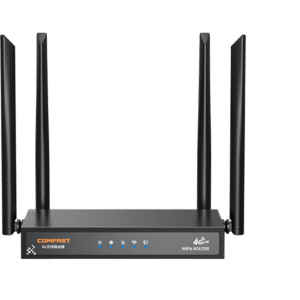
Our team has used COMFAST equipment in many outdoor public area and scenic coverage projects. From our field experience, COMFAST outdoor APs, wireless bridges, core gateways, and PoE switches provide a practical balance of performance, deployment flexibility, clean installation, and project cost control. For this Hangzhou West Lake scenic area project, we selected COMFAST CF-WA973 WiFi 7 outdoor APs, CF-EW87 WiFi 7 outdoor APs, CF-E115A 5.8G wireless bridges, CF-AC200 full gigabit core gateway, and CF-SG1241P 24 port gigabit PoE switch.
This case study documents our outdoor WiFi coverage and CCTV wireless transmission project around a key West Lake scenic section. The project covered lakeside walking paths, viewing platforms, visitor rest areas, scenic entrances, tourist service points, cultural display zones, small commercial kiosks, security posts, bridge areas, garden corridors, waterfront viewing areas, temporary event zones, and remote CCTV camera points.
1. Project Overview
Basic Project Information
Project Name: Project West Lake Smart Scenic Network
Project Location: West Lake Scenic Area, Hangzhou, China
Site Type: Outdoor scenic area with lakeside paths, garden landscape, visitor areas, public service points, and remote CCTV locations
Outdoor Coverage Area: Approximately 52,000 square meters in the selected project section
Peak Visitor Density: High-density visitor flow during weekends, holidays, evening sightseeing periods, and seasonal tourism peaks
Main Coverage Areas: Scenic entrance, lakeside walkway, viewing platform, visitor rest area, waterfront corridor, pavilion area, bridge area, cultural display zone, tourist service point, small commercial kiosk zone, security booth, garden path, temporary event area, and remote CCTV points
Project Type: Scenic Area Outdoor WiFi Coverage Solution with visitor WiFi, staff network, CCTV wireless transmission, and management network segmentation
Project Cycle: Six weeks from site survey to final acceptance
Construction Window: Early morning, night maintenance periods, and low visitor traffic windows to avoid affecting sightseeing routes, public safety, commercial operations, and daily scenic area management
The customer wanted to improve public WiFi experience, scenic area management efficiency, and CCTV monitoring reliability. The existing wireless network was uneven: some areas near service buildings had signal, but lakeside paths, viewing platforms, garden corners, and remote camera points had unstable connectivity. The project required a professional outdoor solution that could support tourist access, staff devices, security monitoring, and future smart scenic services while preserving the visual quality of the West Lake landscape.
2. Customer Pain Points Before the Project
Visitor WiFi Was Uneven Along the Lakeside Path
The original WiFi was strongest near service buildings and weak along open lakeside paths. Visitors could connect near the entrance, but signal quality dropped after walking toward viewing platforms, garden paths, and waterfront rest areas. This created a poor experience for tourists using maps, translation apps, travel guides, photo uploads, and online ticket information.
Holiday Crowds Created High-Density Pressure
During weekends, public holidays, and seasonal travel peaks, visitor density increased sharply around scenic entrances, viewing platforms, bridges, pavilions, and lakeside photo points. The previous wireless design could not handle concentrated device connections in these high-traffic areas.
Trees, Water, Stone Structures, and Pavilions Affected Signal
West Lake’s environment includes dense trees, lake water, stone bridges, traditional pavilions, garden walls, curved paths, and landscape structures. These elements affected signal direction, reflection, and coverage continuity. Simple AP placement based only on map distance was not enough.
Remote CCTV Cameras Were Difficult to Cable
Some CCTV cameras near garden corners, lakeside edges, bridge areas, and remote service paths were far from the nearest weak current room. Running new cable would require disruptive construction across scenic landscaping, stone paths, or visitor routes. The customer needed a cleaner wireless bridge transmission solution.
Staff Devices Had Unstable Access in Outdoor Zones
Scenic area staff used handheld devices for service coordination, patrol reporting, ticketing support, emergency response, and maintenance communication. The old WiFi was not stable enough around garden paths, security booths, and lakeside service points.
Commercial Kiosks Needed More Stable Network Access
Small commercial kiosks and service counters needed stable access for payment terminals and basic business devices. Their network traffic could not be affected by visitor WiFi congestion during peak tourism hours.
Network Groups Were Not Clearly Separated
Visitor WiFi, staff devices, commercial terminals, CCTV cameras, and management access were not clearly separated. This made troubleshooting difficult and increased the risk of public traffic affecting operational and security systems.
Installation Had to Preserve the Scenic Appearance
Unlike an industrial or office project, every AP location had to respect the landscape. Devices could not be installed carelessly on highly visible historic-style structures, photo points, or premium viewing areas. The installation had to be clean, discreet, and maintainable.
3. Customer Requirements
Confirmed Requirements from Scenic Area Management
Stable outdoor visitor WiFi across key scenic public areas.
Reliable coverage around scenic entrances, lakeside walkways, viewing platforms, bridges, pavilions, visitor rest areas, and garden paths.
Better capacity for weekend, holiday, and evening sightseeing peaks.
Stable staff network access for patrol, service, maintenance, security, and emergency response teams.
Reliable network access for commercial kiosks and service terminals.
Stable CCTV wireless transmission for remote cameras where new cable routes are difficult.
Visitor WiFi, staff network, commercial service network, CCTV network, and management network separated by policy.
Centralized PoE power supply for outdoor APs and wireless bridge devices.
Outdoor devices suitable for rain, humidity, sun exposure, dust, lake environment, and long-term outdoor use.
Clean installation that respects landscape design and does not damage scenic structures.
Deployment without interrupting visitor movement, public safety routes, commercial service, or daily scenic area operation.
4. COMFAST Equipment Used in This Project
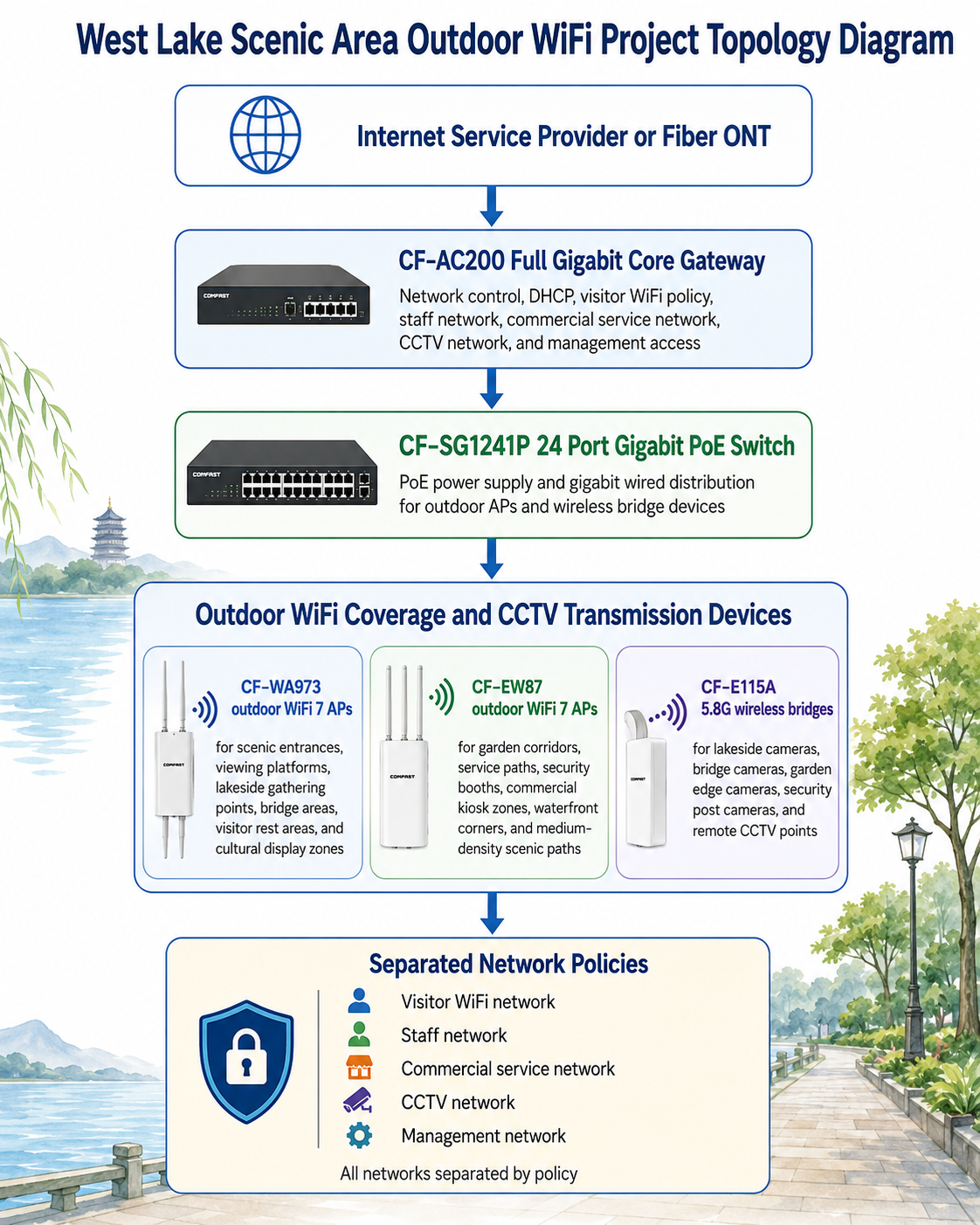
CF-AC200 Full Gigabit Core Gateway
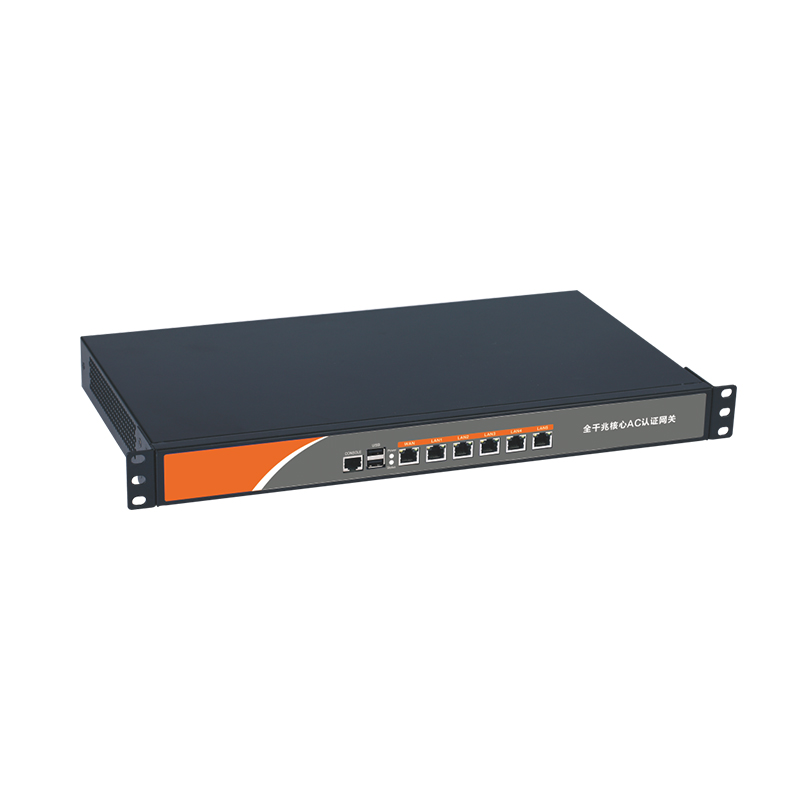
The CF-AC200 was used as the full gigabit core gateway for the scenic area network. It handled network control, DHCP, visitor WiFi policy, staff network policy, commercial service network policy, CCTV network planning, and management access. For a public scenic area, the gateway is important because visitor traffic must not affect staff devices, payment terminals, CCTV, or management systems.
CF-SG1241P 24 Port Gigabit PoE Switch
The CF-SG1241P 24 port gigabit PoE switch was used as the main PoE power and wired distribution device. It powered outdoor APs, wireless bridges, and selected network points. The 24 port capacity also allowed expansion for additional scenic routes, temporary events, or future smart tourism devices.
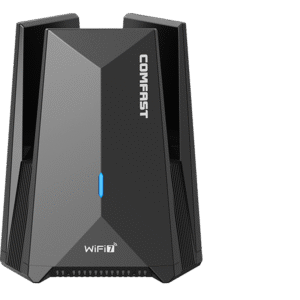
CF-WA973 Outdoor WiFi 7 AP
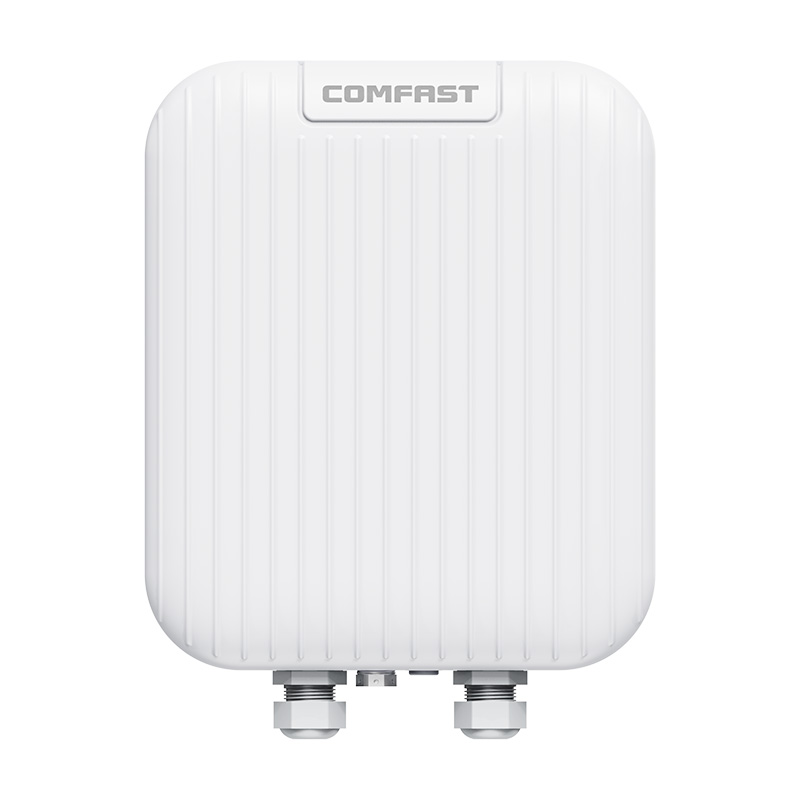
The CF-WA973 outdoor WiFi 7 AP was used for high-density scenic zones such as main entrances, viewing platforms, lakeside gathering points, bridge areas, visitor rest areas, and cultural display zones. These locations required stronger performance and better visitor capacity support.
CF-EW87 Outdoor WiFi 7 AP
The CF-EW87 outdoor WiFi 7 AP was used for focused outdoor coverage in garden corridors, service paths, security booths, small commercial kiosk zones, waterfront corners, and medium-density scenic paths. It helped fill coverage gaps and improve continuity between major tourist points.
CF-E115A 5.8G Wireless Bridge
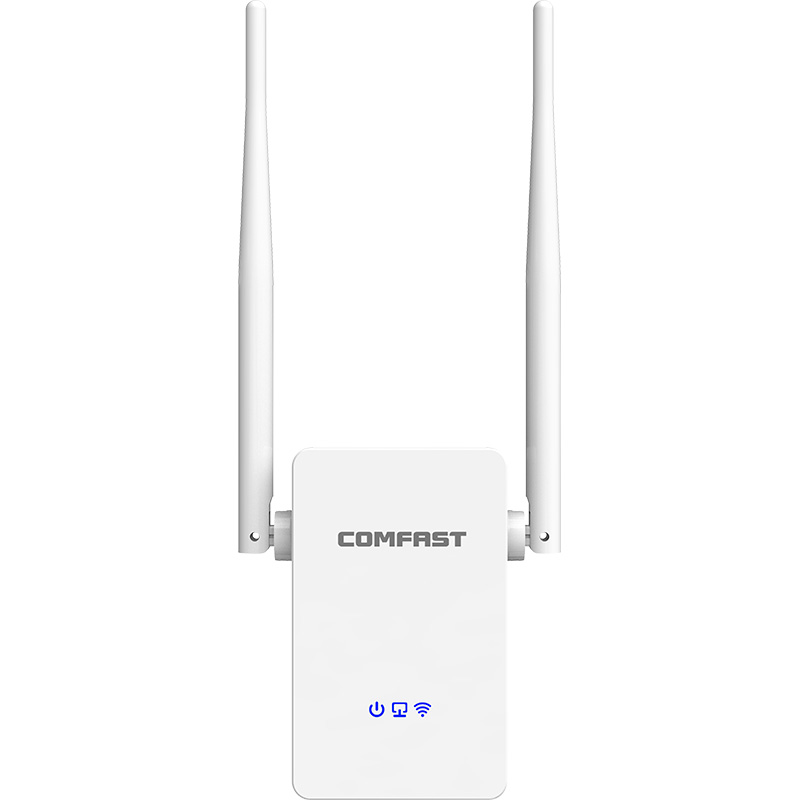
The CF-E115A wireless bridge was used for 5.8G CCTV wireless transmission. It connected remote cameras near lakeside edges, bridge areas, garden corners, security posts, service routes, and temporary event monitoring points where trenching or new cable installation would disturb scenic landscape or visitor movement.
5. Project Topology Diagram
Overall Network Topology
6. Site Survey and Troubleshooting Process
Visitor Flow Survey
We walked the scenic route with the operations team, IT supervisor, security supervisor, and landscape maintenance staff. We followed the real visitor path from the entrance to the lakeside walkway, from viewing platforms to bridge areas, from garden corridors to rest areas, and from service points to commercial kiosk zones. This allowed us to design the wireless system based on real visitor behavior.
Outdoor RF Testing
We tested signal quality along walking paths, viewing platforms, waterfront areas, garden corners, bridge approaches, rest areas, commercial kiosks, security posts, and temporary event zones. The survey confirmed that many existing signal points were not located where visitors actually gathered.
Tree, Lake, and Landscape Obstruction Analysis
We reviewed tree coverage, lake water reflection, stone structures, pavilion roofs, garden walls, railings, and landscape decoration. These elements affected both AP coverage and wireless bridge paths. We adjusted equipment placement to balance performance and scenic appearance.
High-Density Visitor Point Evaluation
The entrance, bridge area, viewing platform, lakeside photo point, and visitor rest area had high device density during weekends and holidays. We selected CF-WA973 APs for these higher demand zones to support better performance under visitor concentration.
Commercial and Staff Network Review
We reviewed service counters, commercial kiosks, staff work points, patrol routes, and security booths. Staff devices and commercial terminals needed stable access and should not depend on the same policy as visitor WiFi.
CCTV Wireless Bridge Path Survey
We inspected CCTV points around lakeside edges, bridge areas, garden corners, service paths, and security posts. For each CF-E115A bridge path, we checked line of sight, tree obstruction, mounting height, cable route, power access, weather exposure, and visitor safety.
Weak Current Room and PoE Readiness Check
The existing weak current room had fiber access, but some old patch cables were not clearly labeled. We tested cable paths, prepared the CF-AC200 gateway location, installed the CF-SG1241P PoE switch, and created a clear port map for all outdoor APs and wireless bridge devices.
7. Problems Found During Implementation
Indoor or Service Building WiFi Could Not Cover Open Scenic Areas
The old design relied too much on signal from nearby service buildings. This could not serve lakeside paths, bridges, viewing platforms, and garden corridors. We changed the design to a true outdoor scenic coverage model with dedicated outdoor APs.
Visitor Density Was Concentrated in Short Time Windows
The network did not fail evenly. It failed during high visitor density periods, especially weekends, holidays, sunset hours, and photo point peaks. We designed high-capacity zones around actual gathering points.
Trees and Scenic Structures Blocked Direct Coverage
Several AP locations that looked good on the map were not good in the field because trees, pavilions, garden walls, and curved paths blocked signal. We adjusted AP positions and mounting angles after real RF testing.
CCTV Cable Routes Would Damage Scenic Landscape
Cabling to remote cameras across stone paths, garden areas, and lakeside edges would have created construction impact. CF-E115A wireless bridges allowed us to provide CCTV backhaul while protecting the scenic environment.
Commercial Service Terminals Needed Business Stability
Payment terminals and service devices could not be affected by public visitor traffic. We separated the commercial service network from visitor WiFi through gateway policy and network planning.
Installation Visibility Had to Be Controlled
The scenic area required clean installation. We avoided visually disruptive mounting on key photo spots and selected positions that balanced coverage, maintenance access, and landscape appearance.
Construction Had to Avoid Visitor Flow
The scenic area remained open during the project. We performed work in sections during early morning and night maintenance windows to avoid affecting visitor routes, emergency access, and commercial service operations.
8. Final Engineering Solution
Core Gateway and Policy Control
We installed the CF-AC200 full gigabit core gateway as the network control center. It managed DHCP, visitor WiFi, staff access, commercial service access, CCTV traffic, and management access. This gave the scenic area a structured and maintainable network foundation.
PoE Distribution
The CF-SG1241P 24 port gigabit PoE switch powered outdoor APs and wireless bridges. Centralized PoE reduced local power adapter clutter, improved maintenance efficiency, and made device mapping easier for the scenic area IT team.
High-Density Outdoor WiFi 7 Coverage
CF-WA973 outdoor WiFi 7 APs were deployed in high-density zones such as main scenic entrances, viewing platforms, lakeside gathering points, bridge areas, visitor rest areas, and cultural display zones. These APs were selected for areas where many visitors gather and use mobile devices at the same time.
Focused Outdoor Coverage
CF-EW87 outdoor WiFi 7 APs were used for garden corridors, service paths, security booths, commercial kiosk zones, waterfront corners, and medium-density walking paths. This helped improve continuity between major scenic points.
CCTV Wireless Bridge Transmission
CF-E115A 5.8G wireless bridges were deployed for remote CCTV transmission at lakeside camera points, bridge cameras, garden edge cameras, security post cameras, and temporary event monitoring points. This reduced the need for new trenching and protected landscape areas.
Network Segmentation
We separated visitor WiFi, staff network, commercial service network, CCTV network, and management network by policy. This improved network security, service stability, and troubleshooting efficiency.
9. Different Area Network Design
Scenic Entrance Coverage
The scenic entrance required strong visitor WiFi and staff device coverage. CF-WA973 APs were placed to cover ticketing support, visitor information areas, security check points, and arrival gathering areas.
Lakeside Walkway Coverage
The lakeside walkway needed continuous coverage for visitors using maps, translation apps, and travel services. AP placement followed the actual walking path rather than a straight-line design on the map.
Viewing Platform Coverage
Viewing platforms had high visitor density and frequent photo uploads. CF-WA973 APs were used to support stronger capacity and better user experience during peak sightseeing hours.
Bridge Area Coverage
Bridge areas had crowd concentration and limited installation options. We selected discreet mounting points and used careful signal direction to avoid visual impact while maintaining stable coverage.
Garden Corridor Coverage
Garden corridors had curved paths, dense plants, and changing shade areas. CF-EW87 APs were used to fill coverage between major tourist points and improve roaming continuity.
Visitor Rest Area Coverage
Visitor rest areas had longer dwell time, so we designed coverage for higher simultaneous usage. Visitors could check route information, upload photos, make video calls, and access scenic service information more smoothly.
Commercial Kiosk Network
Commercial kiosks and service counters were placed on a separated commercial service network. This protected payment terminals and service devices from visitor WiFi congestion.
Security Booth Coverage
Security booths required staff network access and CCTV viewing support. CF-EW87 APs provided focused coverage, while CCTV traffic remained separated through the camera network.
Temporary Event Area Coverage
The scenic area occasionally hosted cultural events and public activities. We reserved network expansion capacity through the CF-SG1241P switch and AP placement design so temporary coverage could be added when needed.
10. Outdoor AP Placement and Installation Details
Mounting Position and Scenic Appearance
We selected AP mounting points that balanced signal performance and visual appearance. Equipment was not placed directly in key photo backgrounds or historic-style scenery unless absolutely necessary. Where possible, APs were mounted near existing poles, service structures, or discreet maintenance points.
Weather Protection
Outdoor equipment had to handle rain, humidity, sun exposure, dust, and lakeside moisture. We paid attention to cable entry direction, drip loops, mounting firmness, waterproof cable routing, and maintenance access.
Channel and Power Optimization
After installation, we tuned channels and transmit power. We did not simply increase every AP to maximum power. Correct tuning helped reduce interference, improve roaming, and support better user experience across walking paths, viewing platforms, and rest areas.
PoE and Port Labeling
Each outdoor AP and bridge device was labeled at the CF-SG1241P switch side. We delivered a port map, AP location sheet, bridge alignment record, and topology notes to the scenic area IT team.
11. Wireless Bridge Transmission Design
Lakeside Camera Bridge
The lakeside camera points were connected through CF-E115A 5.8G wireless bridges. We selected bridge locations with clear line of sight while avoiding unnecessary installation on scenic structures.
Bridge Area Camera Transmission
Bridge area cameras were important for visitor flow and safety monitoring. The wireless bridge solution reduced cable construction across stone paths and allowed stable camera feed return to the monitoring center.
Garden Edge Camera Backhaul
Garden edge cameras were placed in areas with trees and curved paths. Bridge alignment was adjusted to avoid tree obstruction and maintain stable CCTV video transmission.
Temporary Event CCTV Support
The scenic area sometimes needed temporary monitoring for public events. We designed the bridge structure and PoE capacity with future temporary CCTV points in mind.
Bridge Stability Testing
Each CF-E115A bridge link was tested for video continuity, delay, and stability. We verified camera feeds from the monitoring room during daytime visitor activity and evening lighting conditions.
12. Network Segmentation and Security Design
Visitor WiFi Network
The visitor WiFi network provided public internet access for tourists. It was isolated from staff devices, commercial terminals, CCTV cameras, and management equipment.
Staff Network
The staff network supported patrol teams, visitor service staff, maintenance teams, emergency response users, and scenic area operations. It was protected from public visitor traffic.
Commercial Service Network
The commercial service network supported payment terminals, service counters, and kiosk devices. This network was separated for business reliability during high visitor density periods.
CCTV Network
The CCTV network carried video traffic from local cameras and CF-E115A wireless bridge links. Keeping camera traffic separate improved monitoring stability and troubleshooting clarity.
Management Network
The management network was reserved for gateway, PoE switch, outdoor AP, and wireless bridge maintenance. Access was limited to authorized IT and engineering users.
13. What We Did Differently from Other Engineering Teams
We Did Not Treat Scenic WiFi as Simple Outdoor Coverage
A scenic area network is not just about placing outdoor APs. We designed around visitor flow, gathering points, photo locations, garden paths, lake environment, staff operations, and monitoring requirements.
We Tested Real Visitor Behavior
We tested the network around entrances, viewing platforms, bridges, and rest areas during real visitor movement instead of only testing in empty areas. Scenic area WiFi must be evaluated where tourists actually stop and use their phones.
We Protected the Scenic Appearance
We avoided visually disruptive installation and worked with landscape maintenance staff to select clean mounting points. The network had to perform well without damaging the visual quality of West Lake.
We Used Wireless Bridges Instead of Landscape-Damaging Cable Routes
For remote CCTV points, we used CF-E115A 5.8G wireless bridges instead of cutting across stone paths, garden areas, or lakeside walkways. This reduced construction impact and protected the scenic environment.
We Separated Public and Operational Networks
Visitor WiFi was separated from staff devices, commercial terminals, CCTV, and management systems. This protected operation and security traffic from public visitor load.
We Delivered a Maintainable System
The customer received AP location records, bridge alignment notes, port labels, network segmentation notes, topology documentation, and troubleshooting guidance. The system was built for long-term scenic area operations.
14. Project Acceptance Results
Final Acceptance Checklist
Scenic entrance WiFi test passed.
Lakeside walkway coverage test passed.
Viewing platform high-density test passed.
Bridge area coverage test passed.
Garden corridor WiFi test passed.
Visitor rest area WiFi test passed.
Commercial kiosk network test passed.
Security booth network test passed.
Lakeside CCTV wireless bridge test passed.
Garden edge camera bridge test passed.
Evening monitoring feed test passed.
Visitor WiFi, staff network, commercial service network, CCTV network, and management network isolation test passed.
Device labels, AP location map, bridge alignment records, port map, topology notes, and IT handover completed.
15. Customer and User Feedback
Scenic Area Operations Manager Feedback
The scenic area operations manager said, “The visitor WiFi experience is much better around the entrance, viewing platform, and lakeside path. The installation was clean and did not affect the scenic appearance.”
IT Supervisor Feedback
The IT supervisor said, “The network segmentation and port labeling are very helpful. We can now distinguish visitor WiFi, staff devices, commercial terminals, CCTV, and management equipment clearly.”
Security Supervisor Feedback
The security supervisor confirmed that the remote lakeside and garden cameras became more stable after the CF-E115A wireless bridge deployment. Evening monitoring quality also improved.
Visitor Service Team Feedback
The visitor service team reported fewer complaints about weak WiFi around the main walking path and rest areas. Staff devices also stayed connected more reliably during patrol and service coordination.
Commercial Kiosk Feedback
A kiosk operator said, “Payment terminals are more stable during busy hours. The network no longer feels affected by the number of tourists nearby.”
Visitor Feedback
Visitors reported smoother access to maps, photo uploads, travel guide pages, and messaging apps around the viewing platform, bridge area, and lakeside rest area.
16. Project Summary
Final Result
Project West Lake Smart Scenic Network was a successful outdoor WiFi coverage and CCTV wireless transmission project for a key section of Hangzhou West Lake Scenic Area. The project solved uneven lakeside WiFi, high-density visitor pressure, weak garden path coverage, remote CCTV backhaul difficulties, commercial terminal instability, and mixed network traffic.
The final COMFAST solution used the CF-AC200 full gigabit core gateway, CF-SG1241P 24 port gigabit PoE switch, CF-WA973 outdoor WiFi 7 APs, CF-EW87 outdoor WiFi 7 APs, and CF-E115A 5.8G wireless bridges. This combination provided stable visitor WiFi, staff access, commercial service support, CCTV wireless transmission, and centralized maintenance.
The key value of this project was not simply adding outdoor APs. The real value was designing a network that respected the West Lake environment, followed visitor movement, protected operational systems, and delivered stable monitoring without damaging the landscape.
17. Lessons Learned and Advice to Other Contractors
Lessons Learned
Scenic area WiFi must be designed around visitor flow and gathering points.
High-density scenic spots need capacity planning, not only signal coverage.
Trees, lake water, stone bridges, pavilions, and garden walls can affect wireless performance.
Visitor WiFi should be separated from staff devices, commercial terminals, CCTV, and management systems.
Wireless bridges are useful for remote CCTV points where trenching would damage scenic paths or landscape areas.
Outdoor AP installation must respect scenic appearance as much as technical performance.
Channel and power tuning are essential for outdoor APs in public scenic areas.
Professional handover should include AP maps, bridge records, port labels, topology notes, and maintenance guidance.
Advice to Other WiFi Engineering Contractors
For scenic area WiFi projects, do not design only from drawings. Walk the route with visitors in mind. Stand at the viewing platform, bridge, lakeside rest area, garden corridor, security booth, and kiosk zone. The network must follow real tourist movement and dwell time.
Do not treat outdoor AP power as the only solution. In a scenic environment with trees, lake water, pavilions, and curved paths, uncontrolled power can create interference and poor roaming. Correct AP placement, channel planning, power tuning, and network segmentation are more important.
Do not damage landscape areas for remote camera cabling before evaluating wireless bridge options. A properly aligned 5.8G bridge can reduce construction impact and preserve scenic appearance.
A Scenic Area Outdoor WiFi Coverage Solution is complete only when visitors can connect smoothly, staff devices remain stable, commercial terminals keep working, CCTV cameras transmit reliably, and the scenic area IT team can maintain the system confidently. That was the standard we delivered for Project West Lake Smart Scenic Network.