
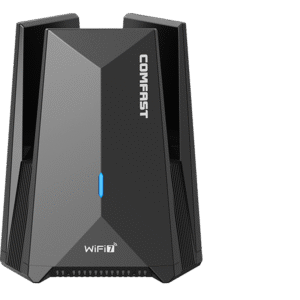
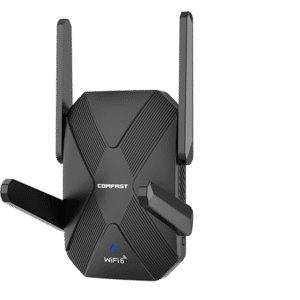
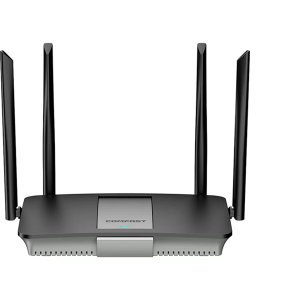
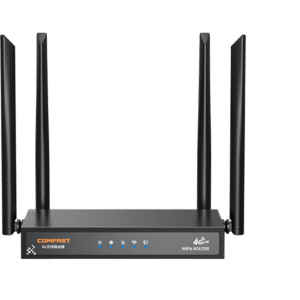










Best Travel WiFi Router 2026
A travel wifi router used to feel like a niche gadget for people who packed too many cables and trusted hotel internet too little. In 2026, it feels a lot more like common sense. If you work on the road, jump between hotels and apartments, or simply do not enjoy buffering circles judging your life choices, a better connection is no longer optional.
That is also why this category is getting more attention from OEM buyers, distributors, and networking brands. Today’s users do not just want something small enough to fit in a bag. They want a wireless travel router that is fast, secure, easy to deploy, and flexible enough for modern work, entertainment, and temporary business use. In other words, the old idea of a tiny travel router is being replaced by something much more capable.
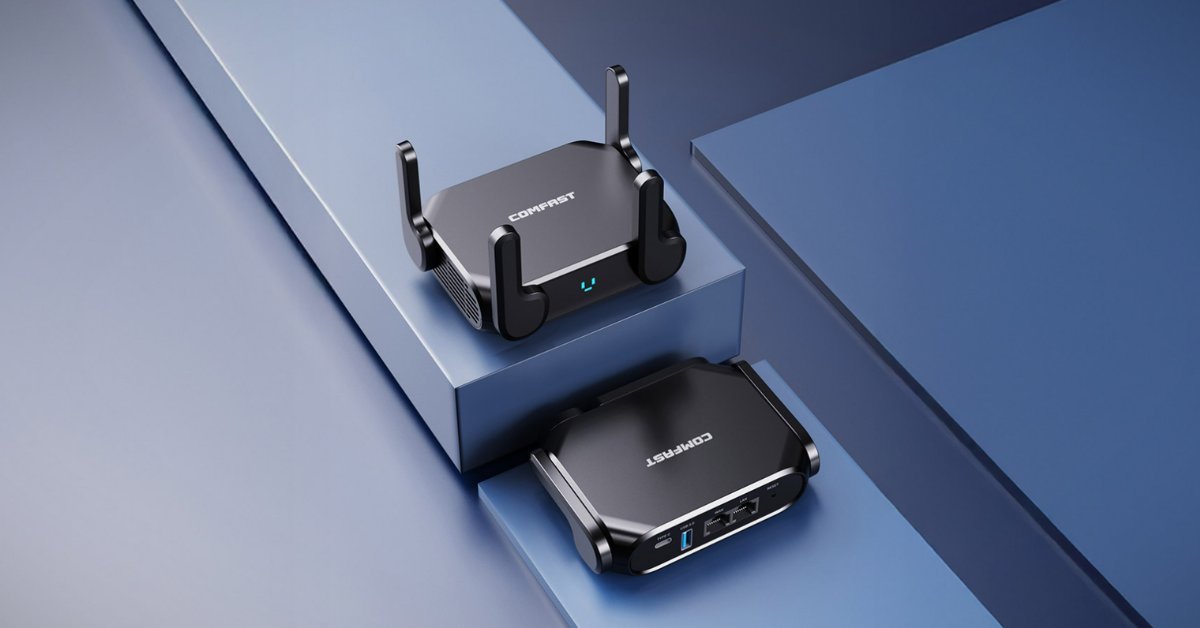
This article looks at what actually makes the best wifi router for travel in 2026, why mesh support matters more than most people expect, and how a portable travel wifi router like the COMFAST CF-WR632AX fits both digital-nomad needs and OEM market demand. Because yes, being portable is nice, but being portable and useful is where things finally get interesting.
1. Why a Travel WiFi Router Matters More Than Ever in 2026
In 2026, a travel wifi router is no longer a “nice to have” for people who pack too many gadgets and distrust hotel internet on principle. It is becoming a practical tool for staying productive, staying connected, and avoiding the very specific kind of frustration caused by a frozen meeting screen.
The category is also becoming more interesting for OEM buyers. End users now expect more than a tiny box that simply connects to WiFi. They want faster speed, better security, easier setup, and enough flexibility to work across travel, remote work, short-term business deployment, and multi-device use.
That is exactly why the idea of a wireless travel router has changed. It is no longer just about portability. It is about control, reliability, and having a product that feels relevant in both consumer and business markets.

A modern portable router is no longer competing with “nothing.” It is competing with unstable hotel WiFi, overloaded public networks, and the rising expectation that internet access should simply work wherever you go.
For OEM buyers, that makes this category easier to position: it solves a real user problem while also fitting travel retail, remote work demand, channel sales, and private label opportunities.
1.1. Hotel WiFi Still Has Main Character Energy for All the Wrong Reasons
Hotel WiFi often arrives with a lot of confidence and very little consistency. It sounds perfectly fine when you check in, looks professional on the little room card, and then immediately falls apart when you try to upload files, join a meeting, or stream anything more demanding than background music.
Shared public networks are usually crowded, unpredictable, and completely outside your control. One floor may be fine. The next may feel like the signal is powered by pure optimism. For digital nomads and business travelers, that kind of randomness turns internet access into a daily gamble.
This is where a travel wifi router starts to make obvious sense. Instead of depending entirely on whatever network situation the building offers, you create a more stable and manageable connection environment for your own devices. That is a stronger story not only for end users, but also for OEM partners selling products that need to feel useful in real-world travel conditions rather than just attractive on a spec sheet.
1.2. Why “Good Enough” Internet Can Ruin Your Workday
“Good enough internet” sounds reasonable until you actually need to rely on it. Then it becomes one of those phrases that ages badly in about five minutes. A call drops. A cloud file refuses to sync. A product demo starts buffering right when you need to look competent.
For digital nomads, content creators, remote teams, and people working between hotels, apartments, booths, or temporary offices, weak internet is not just annoying. It interrupts workflows, slows communication, and makes simple tasks feel weirdly dramatic.
That is why the best wifi router for travel is no longer defined by size alone. It needs to support real usage: multiple devices, smoother performance, better privacy, and less dependence on crowded shared WiFi.
From a business perspective, this change matters because it raises the value of the category itself. OEM buyers are not just looking at a low-cost accessory anymore. They are looking at a product type with stronger user demand, clearer application scenarios, and more room for differentiation.
The demand is no longer limited to leisure travel. A portable travel wifi router now makes sense for remote work, temporary business setups, small team collaboration, road travel, exhibition environments, and private label product lines aimed at mobile connectivity.
1.3. How a Portable Travel WiFi Router Gives You More Control
The biggest advantage of a portable travel wifi router is control. You control how your devices connect, how your local network behaves, and how much you depend on public infrastructure that may or may not cooperate.
That matters because travel no longer means one person with one laptop and very low expectations. Today you may be carrying a phone, tablet, laptop, camera, smart devices, or even sharing a temporary setup with teammates. Suddenly, “just use the hotel WiFi” starts sounding less like advice and more like a dare.
A modern router in this category is expected to do more. It should be easy to carry, simple to deploy, and capable enough to support modern work and entertainment needs without turning every new location into a troubleshooting session.
That broader value is also what makes this kind of product more attractive for OEM and channel buyers. A well-positioned travel wifi router is not just a compact networking device. It is a product with clearer demand, stronger story-telling potential, and better crossover between consumer convenience and business opportunity.
2. What Makes the Best WiFi Router for Travel
Not every router that fits in a bag deserves to be called the best wifi router for travel. Some products are small, yes, but that is also where the good news ends. A real travel router should do more than exist politely in your backpack.
In 2026, users expect a lot more from a travel wifi router. They want stable video calls, fast uploads, better privacy on public networks, compact hardware, and a setup process that does not feel like a side quest. In other words, the best model is not just portable. It is genuinely useful.
That shift also changes how OEM buyers look at the category. The strongest products are no longer the cheapest or the smallest. They are the ones that combine practical features, strong everyday value, and a positioning story that works across travel retail, remote work, and mobile business networking.

The best travel router should balance four things at the same time: speed, security, portability, and simplicity.
If one of those is missing, the product may still look good in a listing, but it probably will not feel good in real use.
2.1. Fast Speed for Calls, Uploads, and Streaming
Speed is still one of the first things people care about, and for good reason. Whether you are taking a client call, uploading video content, sharing files with a team, or trying to watch something without buffering every six seconds, slow internet becomes personal very quickly.
The problem is that travel networking is no longer light-duty. One person may carry a laptop, phone, tablet, and camera. A small team may need temporary internet access in a booth, short-term rental, or mobile workspace. That means the router needs enough real performance to support multiple devices and modern bandwidth demands, not just casual web browsing.
That is why speed should be judged as usable speed, not marketing speed. A good wireless travel router should help keep video calls smoother, uploads faster, and streaming more stable in everyday use. For OEM buyers, this is also one of the easiest values to communicate, because users immediately understand why faster and more reliable connectivity matters.
2.2. Strong Security for Public and Shared Networks
Speed gets attention, but security is what keeps people from making bad decisions on public WiFi. Hotels, airports, cafés, co-living spaces, and event venues are convenient places to connect, but they are not exactly famous for making users feel calm and protected.
A good travel router gives you more control over how your devices access the network. That matters because the moment you connect multiple personal or work devices to shared internet, privacy and local network control stop being “nice extras” and start becoming basic requirements.
This is one reason a portable travel wifi router is becoming more attractive in 2026. Users want something that helps them build a safer connection environment instead of trusting every public network to behave perfectly. From a product-positioning point of view, strong security features also help OEM brands move the conversation beyond price alone and toward practical value.
Security is not only a user concern. It is also a positioning advantage. Products that promise safer and more controllable connectivity usually have stronger appeal in business travel, remote work, and private label networking categories.
2.3. Small Size Without Weak Performance
Portable should mean easy to carry, not easy to outgrow. A travel router that is beautifully compact but struggles the moment you connect a few devices is basically decorative technology. Cute, maybe. Helpful, not always.
The best products in this category find a better balance. They stay small enough for travel, but still deliver features that feel current, not compromised. That includes support for modern WiFi standards, stronger ports, stable multi-device handling, and coverage that makes sense outside a perfect lab environment.
This is exactly why the category is evolving from basic travel accessory to more capable networking tool. Users want something compact, but they do not want to trade away performance just to save a little space. For OEM partners, that creates room for higher-value models that are easier to differentiate from generic low-end alternatives.
2.4. Easy Setup for People Who Just Want the Internet to Work
Most people do not dream of spending their evening configuring a router in a hotel room. They want to connect, get online, and move on with their lives. That is one reason setup matters so much in this category.
A good router should not make users choose between advanced features and a sane setup experience. It should be approachable for people who want simple deployment, while still offering enough flexibility for more advanced users or business applications.
This matters even more in travel environments, where time is limited and patience is usually lower than average. Nobody wants to debug their connection before breakfast, especially when there is a meeting in twenty minutes and the hotel coffee is already disappointing enough.
From the OEM side, easy setup is also an underrated advantage. Products that are simple to understand, easy to deploy, and easier to support across different markets are easier to sell and easier to explain. That makes usability part of the value proposition, not just a convenience feature.
3. Why COMFAST CF-WR632AX Works as a Wireless Travel Router
A lot of routers sound impressive until you ask one annoying question: does it still make sense when you actually leave the house? That is where the COMFAST CF-WR632AX starts to look more interesting than a typical compact router.
It is not trying to win by being tiny alone. It works better as a wireless travel router because it combines the things modern users actually care about: WiFi 6 speed, a 2.5G WAN port, mesh capability, OpenWRT flexibility, and USB 3.0 expansion. That gives it a much stronger story for both digital nomads and OEM buyers who need a product with broader market appeal.
In other words, this is not a “portable, therefore acceptable” router. It is a portable router that still tries to behave like a serious networking product. That difference matters.

CF-WR632AX is easier to position than a generic travel router because it does not rely on portability alone.
It gives users a stronger mix of performance, control, and flexibility, while giving OEM partners a product that can speak to both consumer convenience and business-grade use cases.
3.1. WiFi 6 Performance That Feels Fast in Real Use
The CF-WR632AX supports WiFi 6 and AX3000 dual-band speed, with up to 574Mbps on 2.4GHz and 2400Mbps on 5.8GHz. On paper, that already sounds good. In real life, it matters because travel networking is no longer just one phone and one laptop checking email.
Today, one person may be juggling video calls, cloud files, streaming, mobile devices, and background sync all at once. A small team may be doing the same in a hotel room, temporary office, or booth setup. That is where WiFi 6 starts earning its keep. It is built for higher efficiency, lower latency, and better multi-device handling, which is much more useful than a router that only looks fast when nobody else is connected.
COMFAST also highlights MU-MIMO and OFDMA support on this model, which helps explain why the router is positioned as more than a basic compact device. For OEM buyers, that makes the sales story easier: this is a travel-facing product that still carries modern performance language users recognize and value.
3.2. 2.5G WAN for Modern Broadband and Flexible Access
One of the most practical features here is the 2.5G WAN port. This is the kind of detail that does not always make consumer readers cheer out loud, but it matters a lot once you start using faster broadband or more demanding wired access in real environments.
COMFAST is clearly leaning into that point on the product page. The message is basically: if the wired source is faster, the router should not be the thing slowing everything down. That makes sense for hotel broadband, serviced apartments, temporary installations, event networking, and business travel setups where wired access may be available and worth using properly.
For OEM and channel buyers, this is also a strong positioning tool. A 2.5G WAN port helps the product feel current, not entry-level. It gives the model more credibility in premium travel, remote work, and portable office scenarios, which is much better than competing only on “small and cheap.”
Premium-feeling hardware details matter in private label categories. A model with WiFi 6, 2.5G WAN, and mesh support is easier to position as a higher-value solution instead of just another generic portable router.
3.3. Mesh Support for Wider and Smarter Coverage
Travel routers are often imagined as single-room products, but real usage is not always that tidy. Sometimes you are in a larger apartment, a multi-room rental, a temporary event space, or a business setup where one tiny coverage bubble is just not enough.
That is why mesh support is such a useful feature here. The CF-WR632AX is positioned around Mesh networking and EasyMesh compatibility, which means the product story is not limited to solo travel convenience. It can also speak to broader, more flexible deployment scenarios where seamless coverage and simpler expansion matter.
This gives the router a smarter identity than a basic pocket device. It says, “yes, I travel well, but I can also scale better when the environment gets a little more complicated.” That is exactly the kind of crossover value OEM buyers like, because it helps one model fit more than one sales channel or customer profile.
3.4. OpenWRT for Users Who Want More Freedom
Not every buyer cares about OpenWRT, but the people who do usually care a lot. Support for OpenWRT instantly makes the product more interesting to users who want more control, more customization, and more room to shape the router around their own networking habits.
That matters because a modern portable travel wifi router is not always used in a simple “plug in and forget it” way. Some users want advanced routing behavior, more tailored configuration, or a platform that feels less locked down. OpenWRT support gives the CF-WR632AX a more capable, enthusiast-friendly edge without removing its mainstream travel appeal.
For OEM buyers, this also adds a different kind of value. It helps the model stand out in markets where flexibility and customization are part of the buying decision, especially for channel partners or technically aware customers who do not want a closed, limited product.
3.5. USB 3.0 for Extra Convenience and Expansion
USB 3.0 is one of those features that quietly makes a router more useful. It may not be the first thing people mention in a headline, but it can add real flexibility once the router is part of everyday work or temporary network sharing.
COMFAST positions the USB 3.0 port around external storage access and shared file use across multiple devices. That is practical for travel, temporary office setups, and small collaborative environments where people need quick access to files without overcomplicating the network.
It also helps the router feel more versatile. Instead of acting like a single-purpose connection box, it starts to look more like a flexible networking tool with room for expansion. That is a much better fit for 2026 user expectations.
And from an OEM perspective, versatility sells. A product that can be positioned around travel, performance, mesh coverage, customization, and file-sharing convenience simply has more angles to work with in the market. That makes CF-WR632AX easier to package, easier to explain, and easier to differentiate.
4. Where a Portable Travel WiFi Router Makes the Biggest Difference
A good router becomes much easier to appreciate the moment you stop thinking about specs and start thinking about situations. That is especially true for a portable travel wifi router. On paper, it sounds like a niche device. In real life, it keeps showing up in places where people need internet to be stable, simple, and ready right now.
That is one reason this category has become more interesting in 2026. It is no longer only about vacation convenience. It now overlaps with remote work, mobile collaboration, short-term deployment, road travel, and small business networking. Once you look at the actual use cases, the value becomes a lot more obvious.
For OEM buyers, this is good news. The wider the scenario coverage, the easier it becomes to position one product across multiple channels, customer groups, and branding strategies. That makes a travel router much more than a travel-only product.

The best products in this category succeed because they solve more than one problem.
They help travelers stay connected, help remote workers stay productive, and help OEM partners sell a product with clear demand in both consumer and business scenarios.
4.1. Remote Work in Hotels, Apartments, and Co-Living Spaces
This is probably the most obvious use case, and also one of the most important. Remote work sounds wonderfully flexible until you remember that your office may now be a hotel room with mysterious walls, a short-term apartment with overloaded WiFi, or a co-living space where everyone seems to start a video call at the exact same time.
In these environments, a travel wifi router gives you a more controlled connection experience. Instead of trusting shared internet to behave consistently, you create your own local network setup for your laptop, phone, tablet, and other devices. That can make work feel less fragile and a lot less dramatic.
This is also where the product category becomes easier to explain to OEM customers. The pain point is clear, the audience is growing, and the value is easy to understand. If people are working from temporary living spaces more often, then portable and capable networking products become much easier to justify.
4.2. Travel Days, Road Trips, and Temporary Setups
Travel is rarely as neat as the photos suggest. Some days you are in a hotel. Some days you are in transit. Some days you are setting up in a temporary rental, an RV, or a place that technically has internet but clearly does not believe in doing its job properly.
That is where a portable router becomes more than a convenience item. It helps create a familiar connection setup even when the environment keeps changing. That consistency matters, because every new location already comes with enough unknowns. Your internet connection does not need to audition for the role of extra problem.
For brands and distributors, this wider travel scenario is valuable too. A wireless travel router can be marketed not only to frequent flyers, but also to road travelers, remote workers on the move, temporary renters, and users who simply want a more reliable setup while moving between locations.
The more flexible the usage scenario, the stronger the product category becomes. A model that fits travel, mobile work, temporary rental, and road-trip use is easier to adapt for different regions, brands, and sales channels.
4.3. Small Teams, Pop-Up Booths, and Business Travel
Not every networking need happens in a fixed office. Sometimes it happens at a trade show booth, a temporary meeting room, a shared event space, or a business trip where several people need stable connectivity at the same time. In those moments, small and portable starts to look very smart.
A portable travel wifi router works well here because it is easy to carry, fast to deploy, and useful in places where the network situation may be available but not ideal. It helps turn “we hope the venue WiFi behaves” into something much closer to an actual plan.
This is one of the most important B-side angles in the article. The category is not only attractive to solo users. It also makes sense for channel buyers, resellers, project suppliers, and OEM partners who want a product that can be positioned for compact business deployment, event networking, and mobile collaboration.
4.4. Backup Networking When You Cannot Afford Downtime
Sometimes the biggest value of a router is not being your main plan. It is being your backup plan before things get embarrassing. If your primary connection becomes unstable, overloaded, or simply unavailable, having a portable router ready can save time, stress, and at least one deeply annoyed expression.
This matters for remote workers, small teams, traveling sales staff, and temporary business operations where downtime is not just inconvenient. It can interrupt meetings, delay transactions, affect customer experience, or damage momentum when timing matters most.
A good router in this category helps because it gives users another layer of readiness. Even if the local internet is imperfect, having your own networking device on hand creates more options and less panic. That feeling alone is worth a lot more than people realize.
From an OEM perspective, backup networking is also a strong message. It broadens the product story beyond travel lifestyle and into reliability, contingency planning, and mobile business support. That kind of positioning makes the product more durable in the market, because it is tied to practical need rather than temporary novelty.
5. Fast Is Great, but Secure Is Non-Negotiable
Fast internet gets people excited. Secure internet gets people through the day without preventable mistakes. And when you are traveling, working remotely, or sharing a connection in a temporary space, security stops being a technical detail and starts becoming part of basic common sense.
That is one reason the best wifi router for travel is not judged by speed alone. A fast connection on a shared public network can still leave you with limited control, uneven privacy, and a setup that feels convenient right up until it becomes suspicious. Which, to be fair, is not the kind of surprise anyone wants between coffee and a client meeting.
For OEM buyers, this matters too. Security is no longer a feature you quietly list near the bottom of a spec sheet. It is part of the value story. Users want products that help them feel more protected in real environments, and brands want products that look more trustworthy in a crowded market.

Public WiFi is convenient, but convenience is not the same thing as control.
A modern travel router helps create a more private, better-managed connection environment, which is exactly what more users expect in 2026.
5.1. Why Public WiFi Deserves Your Suspicion
Public WiFi is useful, but it has earned a healthy amount of suspicion. Hotels, cafés, airports, co-working spaces, and event venues are built for convenience first. They are not designed around your personal devices, your work habits, or your desire to feel completely comfortable while sending sensitive information over a shared network.
The issue is not that every public network is automatically dangerous. The issue is that you usually do not control who else is on it, how it is managed, how isolated users really are, or how carefully the network is maintained. That kind of uncertainty is fine for checking the weather. It feels a lot less charming when you are handling work files, account logins, payment activity, or client communication.
That is why a travel wifi router makes so much sense in the first place. It adds a layer of distance between your devices and the shared network around you. Even before you start talking about specific security standards, that extra control already makes the whole setup feel smarter.
5.2. How WPA3 Helps Protect Your Connection
Security standards are not usually the most glamorous part of a product page, but they matter a lot in real use. The COMFAST CF-WR632AX supports WPA3, which is important because users in 2026 expect more than basic password protection and crossed fingers.
Without getting too deep into technical weeds, WPA3 is designed to offer stronger wireless security than older approaches. For the average user, that translates into a more up-to-date security foundation for protecting the local network created by the router. And for a travel-focused device, that is exactly where it should matter.
This is also helpful from a product-positioning perspective. A wireless travel router with modern security support feels more credible for remote work, business travel, and higher-value private label categories. It tells buyers that the product is built for current expectations, not left behind in an older generation of networking.
In simple terms, WPA3 is one of those features that does not need to be flashy to be valuable. It just needs to be there, and in a product like this, it absolutely should be.
Security support like WPA3 helps a product feel current and trustworthy. That matters in channel sales, enterprise travel demand, and private label lines aimed at users who want more than entry-level connectivity.
5.3. Why Your Own Router Is Better Than Shared Network Chaos
Shared networks are messy by nature. Too many users, uneven performance, unclear controls, random device behavior, and the occasional feeling that everyone in the building decided to start streaming at exactly the wrong time. It is not personal. It is just public WiFi doing what public WiFi does.
Your own router changes that experience. It gives you a dedicated local network environment for your own devices, which means more consistency, better organization, and a stronger sense that your connection belongs to you rather than to the mood of the building. That is valuable whether you are working alone, traveling with family, or setting up connectivity for a small team.
This is also one of the most persuasive parts of the category. A portable travel wifi router is not only about getting online. It is about creating a network you understand and control, even when the larger environment is crowded, temporary, or unpredictable.
For OEM partners, that message is strong because it connects directly to user emotion. People may not remember every technical term, but they do remember how much they dislike unstable public WiFi and how much they appreciate having a better option. That makes security and control more than technical features. They become reasons to buy.
6. Why Mesh Changes the Game for Travel Networking
Mesh sounds like one of those networking words people nod at politely while secretly hoping nobody asks a follow-up question. But in real use, the idea is pretty simple: it helps create broader, smoother, and more flexible coverage without turning your setup into a small domestic tragedy.
That matters because travel networking is not always limited to one person, one room, and one laptop. Sometimes you are in a larger apartment, a multi-room rental, a temporary office, an event space, or a setup where signal coverage needs to stretch a little further than expected. This is exactly where mesh stops sounding optional and starts sounding smart.
For OEM buyers, mesh is also one of the easiest ways to move a product up from “basic portable router” to something with stronger positioning. It signals flexibility, broader deployment value, and a more modern feature set that works across both consumer and business scenarios.

Mesh matters because travel environments are not always as small or simple as people imagine.
If a router can stay portable while also supporting broader coverage and easier expansion, it becomes much more useful and much easier to market.
6.1. Mesh Is Not Only for Large Homes
A lot of people hear “mesh” and immediately picture a large house with too many walls and at least one room where WiFi goes to die. That is part of the story, but it is not the whole story. Mesh is also useful anywhere coverage needs to be more flexible and more consistent than a single-point setup can provide.
That includes larger apartments, shared living spaces, temporary work areas, multi-room rentals, and mobile setups that need better signal continuity. In those situations, mesh is less about “luxury home networking” and more about solving a very ordinary problem: you want the connection to keep working as the environment becomes less cooperative.
For a travel-focused product, that is a big deal. It means the router is not trapped in a tiny-use-case corner. It can still appeal to solo travelers, but it also becomes more relevant for families, remote teams, business users, and OEM customers looking for wider scenario coverage.
6.2. EasyMesh Helps You Expand Without the Usual Mess
In theory, expanding network coverage sounds easy. In practice, it sometimes turns into a slow spiral of mismatched devices, awkward setup steps, and the uncomfortable feeling that you now work for your own router. That is why EasyMesh matters.
EasyMesh helps make expansion more straightforward. Instead of treating coverage growth like a separate networking project, it creates a smoother path for building a broader wireless setup. That is useful for users who want better signal without the usual confusion, and it is especially helpful in temporary environments where nobody wants to spend extra time managing avoidable complexity.
This also strengthens the product story from an OEM perspective. EasyMesh is easier to explain than a vague promise of “better WiFi”. It gives the brand a concrete way to talk about flexible coverage, simpler expansion, and a more user-friendly upgrade path. That makes the feature more than technical decoration. It becomes a selling point people can actually understand.
Mesh and EasyMesh help a product feel more scalable and more premium. That creates better room for product differentiation, private label positioning, and channel sales aimed at users who need more than a basic one-room router.
6.3. Portability and Coverage Can Actually Coexist
For a long time, people treated portability and stronger coverage like they belonged to different worlds. If a router was small, you expected compromises. If it was powerful, you expected something larger, heavier, and much less interested in traveling with you.
That trade-off makes less sense now. A modern portable travel wifi router can be compact enough to carry easily while still offering features that improve real coverage and deployment flexibility. That is exactly why mesh support matters so much in this category. It helps prove that a travel router does not have to stay locked in the “small but limited” stereotype.
For users, that means fewer compromises. You do not have to choose between something convenient to carry and something useful once you arrive. For remote work, multi-device use, temporary setups, and small team collaboration, that balance is incredibly valuable.
For OEM partners, it is even better. A product that combines portability with smarter coverage is easier to position as modern, capable, and worth upgrading to. That gives the category more long-term strength and makes the sales story far more compelling than simply saying, “it is small, and it exists.”
7. Why This Travel WiFi Router Also Makes Sense for OEM Buyers
Some products are easy to sell to consumers but hard to position for business. Others look fine in a catalog but do not feel compelling once you try to explain why the market actually needs them. A good travel router should do better than that.
This is where the category gets more interesting. A modern travel wifi router no longer belongs only to leisure travel or niche gadget shelves. It now sits at the intersection of remote work, mobile productivity, temporary business networking, and flexible deployment. That gives OEM buyers a much stronger story to work with.
The COMFAST CF-WR632AX fits this shift especially well. It is compact enough for travel, but its feature set feels current enough to support more serious positioning. That combination makes it easier to sell, easier to brand, and easier to adapt across different channels and customer groups.

The strongest OEM products are not only well specified. They are easy to position in more than one market.
A router like CF-WR632AX can speak to consumer convenience, business mobility, channel demand, and private label branding at the same time.
7.1. Why the Category Appeals to Both Consumer and Business Markets
One reason this category has grown stronger is that the line between consumer and business use is getting much thinner. A solo traveler may need stable internet for video calls, cloud tools, and multiple devices. A small team on a business trip may need almost the same thing, just with more people and less patience.
That overlap is useful for OEM buyers because it creates broader demand around one product type. You are not trying to explain a strange new category to the market. You are working with a device that already makes sense in travel, remote work, temporary setup, and mobile collaboration scenarios.
A product like CF-WR632AX benefits from that crossover. Its WiFi 6 positioning, mesh support, 2.5G WAN, USB 3.0, and portable design help it appeal to people who want convenience, while also giving business buyers enough substance to see it as more than a casual gadget.
7.2. Real Use Cases for Resellers, Integrators, and Project Buyers
For resellers, the value is fairly direct. A wireless travel router can be sold into travel retail, online networking categories, remote work bundles, and mobile office demand. It is compact, understandable, and tied to a real user problem, which already puts it in a stronger position than many products that sound technical but feel abstract.
For integrators and project buyers, the logic is slightly different but still strong. Portable routers can support short-term deployment, exhibition events, temporary offices, small team collaboration, and backup networking in environments where fixed infrastructure is limited, inconvenient, or simply not worth overbuilding.
That wider application range matters. It gives channel partners more than one way to position the product, which is always helpful when different markets respond to different use cases. Some buyers will care about travel convenience. Others will care about flexible business deployment. The right product should support both stories without sounding forced.
Portable routers become more valuable when they can serve multiple channels at once. Travel retail, mobile work solutions, event networking, and private label programs all become easier to target with one well-positioned model.
7.3. COMFAST OEM, Branding, and Product Supply Advantages
This is where COMFAST becomes especially relevant for OEM buyers. The brand is backed by a manufacturer with integrated capabilities in research and development, manufacturing, and global sales, while also providing OEM and ODM services. That matters because good products are easier to work with when the company behind them can also support customization, production, and delivery in a structured way.
COMFAST also has a broad wireless networking portfolio that includes WiFi router, wireless adapter, repeater, access point, wireless bridge, AC gateway, and PoE switch categories. For channel and OEM partners, that kind of portfolio depth can be useful because it supports brand expansion beyond a single product line.
Just as importantly, the company presents itself around strong R&D capability, flexible OEM and ODM support, global distribution, ISO 9001:2015 production management, and broad compliance coverage. Those are not flashy talking points, but they are exactly the kind of practical signals many buyers look for before committing to a long-term product partnership.
In short, CF-WR632AX is not only interesting because of its specs. It is also easier to trust as an OEM candidate because it sits inside a wider manufacturing and supply framework that already speaks the language of branding, customization, quality control, and international delivery.
7.4. How Channel Partners Can Position This Product
The easiest mistake with a product like this is to position it too narrowly. If channel partners describe it only as a travel gadget, they miss a large part of the value. A better approach is to frame it as a compact networking solution for travel, remote work, temporary deployment, mobile business use, and backup connectivity.
That kind of positioning works because the product itself supports it. CF-WR632AX combines portable size with features that sound current and practical, including WiFi 6 performance, mesh capability, OpenWRT support, USB 3.0, and a 2.5G WAN port. It is much easier to build a premium or semi-premium sales story when the hardware already gives you credible talking points.
Channel partners can also segment the message depending on the audience. For consumer buyers, the focus can stay on convenience, speed, and better control over public WiFi. For business-oriented buyers, the emphasis can shift to flexible deployment, small team use, temporary setup, and reliability under mobile conditions.
That flexibility is exactly what makes the model attractive. It is not locked into one narrow identity. It gives distributors, resellers, and OEM partners room to shape the story for different markets without changing the core value of the product itself.
8. How to Choose a Travel WiFi Router Without Regret
Buying a router should not feel like entering a quiz you forgot to study for. But somehow, the category still manages to confuse people with shiny promises, vague speed claims, and product pages that act like every device was personally designed by networking angels.
The good news is that choosing the right travel wifi router gets much easier once you stop looking for the loudest marketing and start looking for the features that matter in real use. If the router is going to travel with you, support work, handle multiple devices, and survive public-network chaos, it needs to do more than sound impressive for three seconds.
This also matters for OEM buyers and channel partners. A product is easier to position when its value is clear, practical, and easy to explain. In other words, the best choice is usually not the one with the most dramatic wording. It is the one with the best balance of performance, usability, security, and real deployment value.

Do not choose a router only because it is small, cheap, or loudly described as “fast.”
Choose one that fits how you actually travel, work, connect, and expand your network when conditions are less than perfect.
8.1. Questions You Should Ask Before Buying
The first question is simple: what will you really use the router for? If you only need occasional light browsing, almost anything may seem acceptable. But if you expect video calls, cloud work, streaming, multiple devices, temporary office use, or better control over public WiFi, your standards should go up immediately.
The second question is whether you need the router to stay useful in more than one scenario. A model that works only in a tiny hotel room may not be the best long-term choice if you also travel with family, work with a team, move through larger spaces, or want backup networking during business trips and short-term deployments.
The third question is whether the feature set feels current. In 2026, buyers should be looking for a wireless travel router with practical modern value, not something that feels stuck in a much older generation. That means thinking about WiFi 6, stronger security, better ports, multi-device performance, and flexible expansion.
If you are buying from the OEM or channel side, there is one more question that matters a lot: can this model be positioned clearly in the market? A product is much easier to sell when the use case is obvious, the features support the story, and the brand behind it can support customization, supply, and long-term cooperation.
8.2. Red Flags on a Router Spec Sheet
One obvious red flag is when the product page is full of huge performance language but oddly quiet about the details that make that performance believable. If the router sounds “super fast” but gives you very little information about standards, ports, security, expansion, or real usage support, that is usually not a great sign.
Another red flag is when portability seems to be the whole identity. Yes, compact size matters. But if the only clear benefit is “small enough to carry,” the router may end up feeling limited the moment your needs become slightly more demanding. Portable is useful. Portable and capable is much better.
It is also worth being cautious around products that feel too entry-level for modern travel use. Weak security support, limited flexibility, minimal expansion options, and outdated positioning can all make a router look cheaper at first and less valuable later. That is not always a bargain. Sometimes it is just delayed disappointment.
From a business perspective, there is another red flag: a product that is hard to explain. If the value proposition feels vague, the channel story is weak, or the brand support behind the product looks uncertain, OEM buyers should pay attention. A good product should not only work well. It should also make commercial sense.
The wrong router is not only weak on features. It is also hard to package, hard to position, and hard to scale across channels. Strong specs matter, but strong product logic matters just as much.
8.3. Why Balanced Features Beat Empty Marketing Claims
The best router is rarely the one with the most dramatic headline. It is the one that stays useful when you actually depend on it. That usually comes down to balance. Speed matters, but so do security, portability, setup experience, expansion, and the ability to handle more than one realistic use case.
That is why balanced products tend to age better. A model with WiFi 6, strong security, mesh capability, better wired access, practical expansion, and a portable form factor has a much better chance of staying relevant than a product built around one loud claim and several awkward compromises.
This is also where the COMFAST CF-WR632AX makes sense in the larger story of this article. It is not positioned around one flashy promise alone. It combines portability with WiFi 6 performance, 2.5G WAN, mesh support, OpenWRT flexibility, USB 3.0 convenience, and stronger security support, which makes it easier to trust in real travel and mobile-work scenarios.
For individual users, that means a better chance of buying once and buying well. For OEM buyers, it means a product with stronger long-term positioning, clearer market language, and more room to compete on value instead of noise. And honestly, that is a much better strategy than hoping the phrase “ultra amazing turbo speed” closes the sale by itself.
Key Takeaways Before You Pack
By this point, the big picture is pretty clear. The best travel wifi router in 2026 is not just the smallest model you can toss into a bag and forget about until check-in. It is the one that gives you a better mix of speed, security, flexibility, and real-world usefulness once you actually arrive and need the internet to behave.
That is exactly why this category keeps getting more attention from both users and business buyers. Travelers want a better way to deal with hotel WiFi, shared networks, and unstable temporary setups. OEM buyers and channel partners want products with stronger positioning, clearer demand, and features that feel relevant in today’s market rather than stuck in an older era of “small equals good enough.”
The COMFAST CF-WR632AX fits that shift well because it balances portability with meaningful capability. It is compact enough to travel easily, but its value goes well beyond being small and convenient.
A good travel router should not force you to choose between portability and practical value.
The models that stand out are the ones that stay useful across travel, remote work, temporary deployment, and channel-ready product positioning.
What Makes CF-WR632AX Stand Out
CF-WR632AX stands out because it avoids the usual trap of being “portable first, useful later.” Instead, it combines a travel-friendly design with a feature set that feels current and practical. You get WiFi 6 performance, a 2.5G WAN port, mesh support, OpenWRT flexibility, USB 3.0 expansion, and stronger security support, all in a compact form that still makes sense for life on the move.
That balance is important. It makes the router more convincing in real use, whether you are working from a hotel, setting up in a temporary rental, connecting multiple devices, or looking for something that can handle more than the bare minimum. It also makes the product easier to explain, which is always a good sign.
Who Should Buy It
This router makes the most sense for digital nomads, remote workers, frequent travelers, and users who are tired of trusting every hotel and public network to magically do the right thing. It also fits people who carry multiple devices, work in changing environments, or want better control over how their local network behaves while traveling.
It can also make sense for small teams, temporary work setups, business travelers, road trips, and flexible living arrangements where internet quality is unpredictable but expectations are not. If your connection needs are more demanding than “check email once in a while,” a stronger router quickly starts to feel less like an accessory and more like a plan.
In simple terms, it is a good fit for people who want a portable travel wifi router that still feels serious enough for modern work, media, and multi-device use.
Products that serve both individual users and business scenarios usually have stronger channel potential. That is one reason this model works well not only as a retail product, but also as an OEM and private label opportunity.
Why It Also Works for OEM and Channel Demand
From the OEM side, CF-WR632AX works because the product story is not narrow. It can be positioned around travel convenience, remote work, temporary deployment, backup networking, and small team use without forcing the message. That gives resellers, distributors, and brand partners much more room to adapt the product to different audiences and markets.
It also helps that the hardware already supports a more premium or higher-value conversation. WiFi 6, mesh capability, 2.5G WAN, OpenWRT, USB 3.0, and stronger security support are much easier to build around than a generic “compact router” description. The product feels easier to package, easier to differentiate, and easier to scale across channels.
That is why this router makes sense beyond the end user. It is not only a helpful device for travel. It is also a commercially stronger product category for OEM cooperation, branding programs, and channel demand that needs more than a simple low-cost networking accessory.
Frequently Asked Questions
Quick answers to the most common questions about choosing a travel wifi router, using it on the road, and deciding whether the COMFAST CF-WR632AX is the right fit for personal use or OEM cooperation.