










Step 1: Check Signal Quality and Transmission Band
·Move the adapter to a higher, unobstructed position, such as a corner of the desktop or the top of a bookshelf, avoiding blocking by walls, wardrobes, metal objects and other barriers.
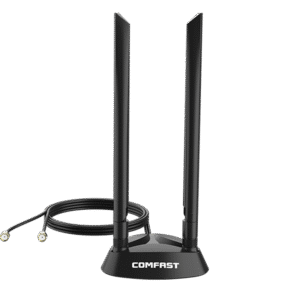
·For adapters with external antennas, adjust the antenna angle to a 90° vertical position to enhance signal reception.
·Prioritize the 5G band for WiFi connection. The 5G band has less interference and higher transmission rates, making it ideal for high-speed internet access over short distances.
·Switch back to the 2.4G band only when you are far from the router, as it ensures more stable connectivity.
Step 2: Reduce Network Interference and Congestion
·Press Ctrl + Shift + Esc to open Task Manager.
·Go to the Performance and Details tabs, then end any processes that consume large amounts of network resources.
3.If multiple devices share the broadband in your home or office:
·Enable device bandwidth control in the router settings.
·Allocate sufficient bandwidth to the device with the COMFAST adapter to prevent other devices from hogging too much network resources.
Step 3: Optimize Adapter and System Settings
·Set 802.11n Mode to Enabled to improve transmission speed.
·Set Transmission Power to Maximum to enhance signal emission strength.
Step 4: Verify Broadband and Hardware Status
·If the wired speed is normal, the problem lies only in the wireless adapter or WiFi transmission.
·If the wired speed is also slow, contact your broadband provider to troubleshoot line faults or plan-related speed restrictions.
·Test the adapter on another WiFi network.
·If the speed remains slow, the adapter may have a hardware fault. Contact COMFAST after-sales support for inspection.
Notes
1.After changing the router’s channel and bandwidth settings, all devices connected to the WiFi need to reconnect.
2.When adjusting advanced parameters of the adapter, record the original settings first if you are unfamiliar with their functions, to avoid incorrect operations that render the adapter unusable.