










Project MetroFuel Full Coverage: Complete WiFi and CCTV Wireless Transmission Solution for a Smart Gas Station in Melbourne
Contractor Team Introduction
We are a local Shenzhen WiFi engineering contractor with long-term experience in gas station WiFi coverage, smart energy station networks, convenience store POS networks, fuel pump payment networks, license plate recognition systems, EV charging area networks, car wash coverage, outdoor CCTV wireless transmission, parking area camera backhaul, PoE-powered deployment, and multi-service network isolation projects.
A gas station network looks small from the outside, but the engineering work is never simple. A modern fuel and energy station includes fuel pumps, payment terminals, a convenience store, cashier POS devices, license plate recognition cameras, electronic price signs, EV chargers, car wash equipment, CCTV cameras, staff office devices, customer WiFi, and remote monitoring points. These systems must run at the same time, but they cannot be placed in one flat network.
Our team has used COMFAST equipment in many small commercial, retail, parking, outdoor monitoring, logistics, and service station projects. From field experience, COMFAST gateways, WiFi 6 routers, PoE switches, ceiling APs, in-wall APs, outdoor APs, and wireless bridges are practical for gas station projects because they support clean deployment, stable wireless coverage, centralized PoE power, flexible CCTV backhaul, and simple long-term maintenance. For this project, we selected COMFAST CF-RG215 full gigabit smart gateway router, CF-SG181P 8-port gigabit PoE switch, CF-WR653AX WiFi 6 router, CF-E390AX ceiling APs, CF-E591AX in-wall APs, CF-WA933 outdoor WiFi 6 APs, CF-WA937 outdoor WiFi 6 APs, and CF-E112N V2 wireless bridges.
This case study documents our Gas Station Full Coverage Solution for MetroFuel Energy Hub in Melbourne, Australia. The project covered the station main entrance, exit lane, fuel islands, pump payment area, convenience store, cashier counter, retail shelves, coffee area, fast food corner, staff office, duty room, equipment room, license plate recognition entrance, electronic price sign area, EV charging area, car wash area, vacuum area, parking spaces, truck temporary parking area, fuel tank perimeter, fuel unloading perimeter, security booth, station roads, remote CCTV camera points, and hard-to-cable monitoring locations.
1. Project Overview
Project Name: Project MetroFuel Full Coverage
Project Location: Melbourne, Australia
Site Type: Urban smart gas station with fuel service, convenience retail, EV charging, car wash, vehicle recognition, CCTV monitoring, and staff operation areas
Total Station Area: Approximately 7,800 square meters
Indoor Coverage Area: Approximately 1,200 square meters
Outdoor Coverage Area: Approximately 6,600 square meters
Fuel Dispensers: 12 fuel pumps across 4 fuel islands
EV Charging Points: 8 charging bays
Car Wash Equipment: 1 automatic car wash tunnel, 2 vacuum bays, and 1 payment kiosk
Daily Vehicle Flow: Around 2,400 vehicles on normal weekdays and over 3,800 vehicles during weekend and holiday travel periods
Daily Convenience Store Traffic: Around 1,100 customer visits, with breakfast, lunch, and evening commuting peaks
Main Coverage Areas: Convenience store, cashier counter, staff office, duty room, fuel islands, fuel pump payment zone, license plate recognition entrance, exit lane, EV charging area, car wash area, parking area, truck temporary parking area, electronic price sign, security booth, fuel tank perimeter, unloading perimeter, and CCTV monitoring points
Project Cycle: Three weeks from site survey to final acceptance, completed through phased construction during low-traffic windows, early-morning maintenance periods, night work windows, and fuel unloading-free periods approved by station management.
2. Customer Pain Points Before the Project
The convenience store cashier network occasionally slowed down during morning and evening peaks. POS terminals, barcode scanners, payment terminals, coffee ordering devices, and back-office systems were sharing an unstable network environment with customer WiFi and ordinary devices.
Fuel pump payment terminals sometimes disconnected for short periods. The issue was not simply weak signal. The old network mixed payment traffic with customer WiFi and monitoring traffic, and AP coverage around the fuel canopy was not planned according to pump position, vehicle blocking, and metal structure reflection.
License plate recognition uploads were delayed at the entrance. During rush-hour vehicle flow, entry cameras, recognition terminals, payment systems, and staff monitoring tablets needed stable network access, but the old system had inconsistent response times.
Fuel island WiFi coverage was not continuous. Vehicles, fuel dispenser cabinets, the metal canopy, pump columns, and parked trucks created signal reflection and obstruction. Some pump terminals stayed stable while others dropped during busy traffic.
The EV charging area had unstable connectivity. EV users stayed longer than fuel customers, and charging devices needed continuous backend communication. The customer also wanted better customer WiFi around the charging bays.
The car wash area had unstable camera backhaul. Water mist, vibration, metal equipment, moving vehicles, and wet walls made cabling and wireless coverage more difficult than in a normal parking area.
Parking area and exit lane monitoring had blind spots. Some cameras were too far from the equipment room, and several cable routes would have required cutting pavement or crossing active vehicle lanes.
Electronic price sign updates were slow. The old network connection to the sign controller was not stable, which created delays when fuel prices needed to be updated quickly.
The staff office and equipment room had weak WiFi. The station manager and maintenance team needed a dedicated management access point for diagnostics, temporary testing, emergency troubleshooting, and device configuration.
Customer WiFi, cashier POS, fuel pump payment, EV charging, CCTV, and staff devices were not clearly separated. This made troubleshooting difficult and increased operational risk for payment and monitoring systems.
Fuel tank perimeter and unloading perimeter cameras were difficult to re-cable. The safety requirements and underground pipe routes made new cabling undesirable. Wireless bridge backhaul was a more practical option for selected CCTV points.
The weak current box was not well organized. AP cables, camera cables, old adapters, and network devices were not labeled clearly, so future maintenance was slow and dependent on guesswork.
3. Customer Requirements
Stable indoor and outdoor WiFi coverage across the full gas station site.
Reliable cashier POS network for the convenience store, coffee area, fast food area, and retail shelf area.
Stable fuel pump payment network for all fuel islands and pump-side payment terminals.
Reliable license plate recognition network at the station entrance and exit lane.
Stable electronic price sign update network.
Reliable EV charging and smart device network for charging points, charging management terminals, and maintenance devices.
Outdoor WiFi coverage for fuel islands, main entrance, exit lane, parking area, truck temporary parking area, EV charging zone, car wash, vacuum bays, station roads, and security booth.
Stable CCTV wireless backhaul for parking cameras, exit lane cameras, fuel tank perimeter cameras, unloading perimeter cameras, car wash cameras, and remote security points.
Customer WiFi, cashier POS network, fuel pump payment network, EV charging and smart device network, staff office network, CCTV network, and management network separated by policy.
Centralized PoE power supply for APs, outdoor APs, wireless bridges, and selected monitoring devices.
Outdoor equipment installation with attention to waterproofing, dust protection, cable protection, vehicle clearance, fuel canopy safety, and maintenance access.
Construction that does not affect fuel sales, convenience store operation, vehicle flow, unloading safety, car wash operation, fire safety equipment, or station appearance.
Clear handover documents including AP location records, bridge alignment notes, switch port labels, topology diagram, network segmentation notes, and maintenance guidance.
4. COMFAST Equipment Used in This Project
The following are the main COMFAST equipment models used in this project and their usage descriptions.
| Equipment Model |
Type | Project Use | Reason for Use |
|---|---|---|---|
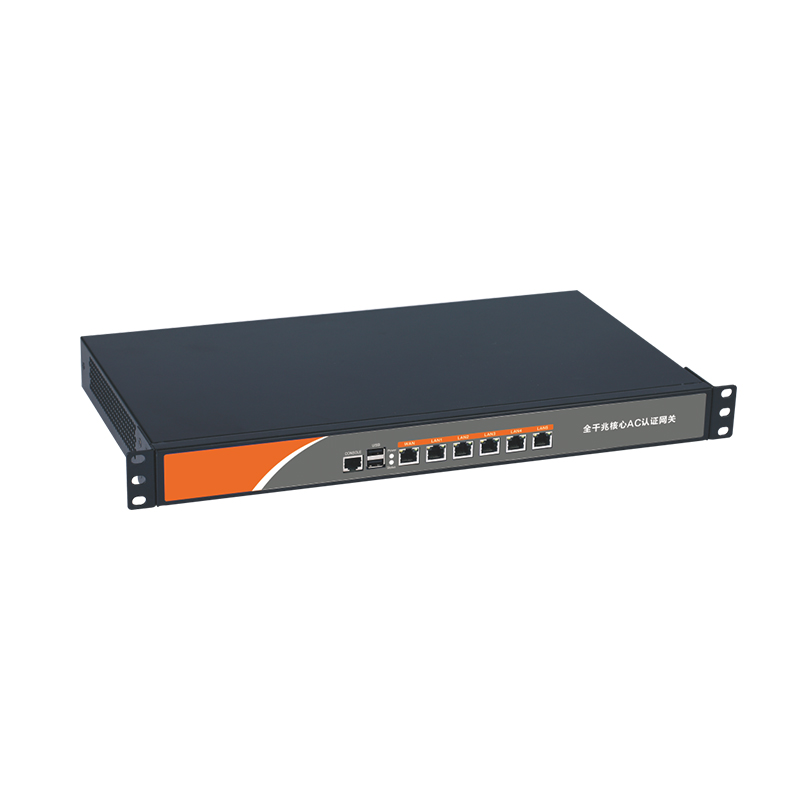
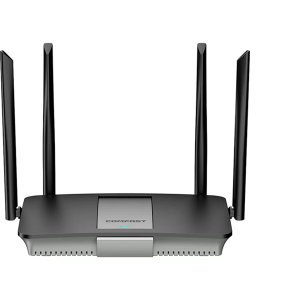
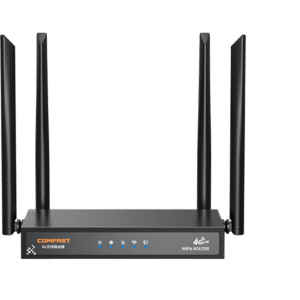
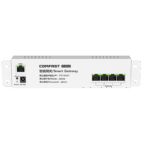
| CF-RG215 | Full gigabit smart gateway router | Network control, DHCP, customer WiFi, cashier POS network, fuel pump payment network, EV charging network, CCTV network, and management access | Suitable as the gas station core gateway, separating payment, POS, customer WiFi, EV charging, CCTV, staff, and management traffic |
| CF-SG181P | 8-port gigabit PoE switch | PoE power supply and wired distribution for indoor APs, outdoor APs, wireless bridges, and selected monitoring devices | Compact PoE design fits limited gas station equipment space and reduces scattered power adapters |
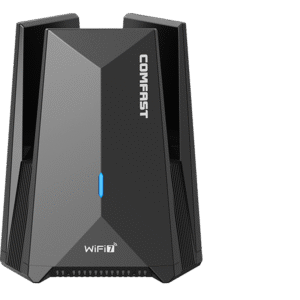
| CF-WR653AX | WiFi 6 router | Station manager office, equipment room, management wireless access, emergency network support, temporary testing, and maintenance tool connectivity | Provides controlled management WiFi for authorized staff and engineers without exposing business systems to customer WiFi |
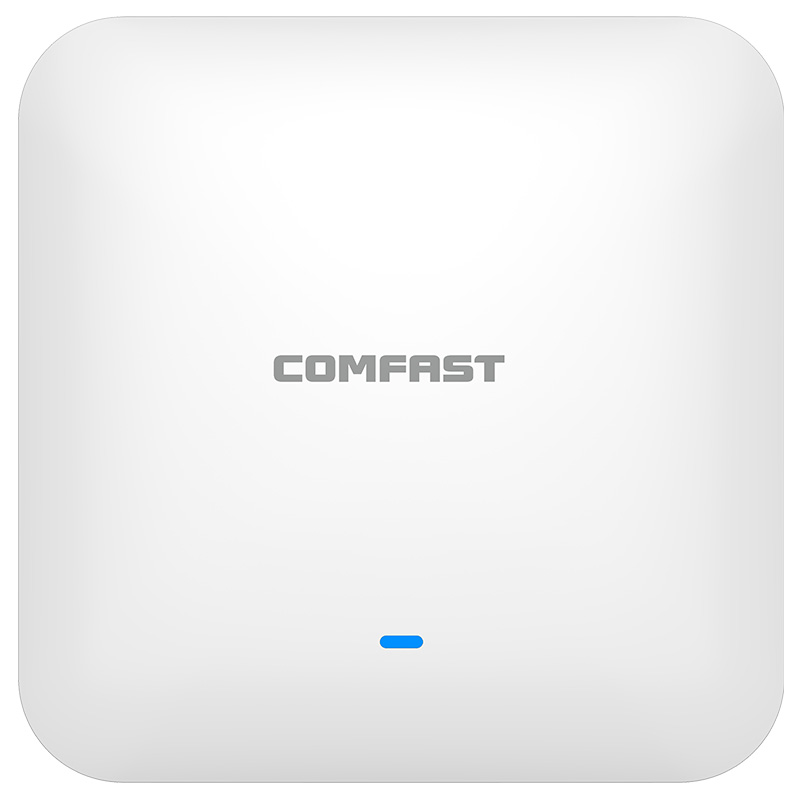
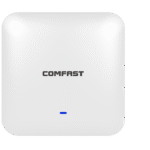
| CF-E390AX | WiFi 6 ceiling AP | Convenience store, cashier area, coffee area, fast food area, retail shelf area, staff passage, and medium-density indoor zones | Provides stable indoor WiFi for POS devices, staff terminals, customer access, and retail service areas |
| CF-E591AX | WiFi 6 in-wall AP | Staff office, duty room, small meeting room, equipment room, finance room, and small functional rooms | Provides room-level coverage where ceiling AP coverage is not ideal because of walls, doors, and small enclosed rooms |
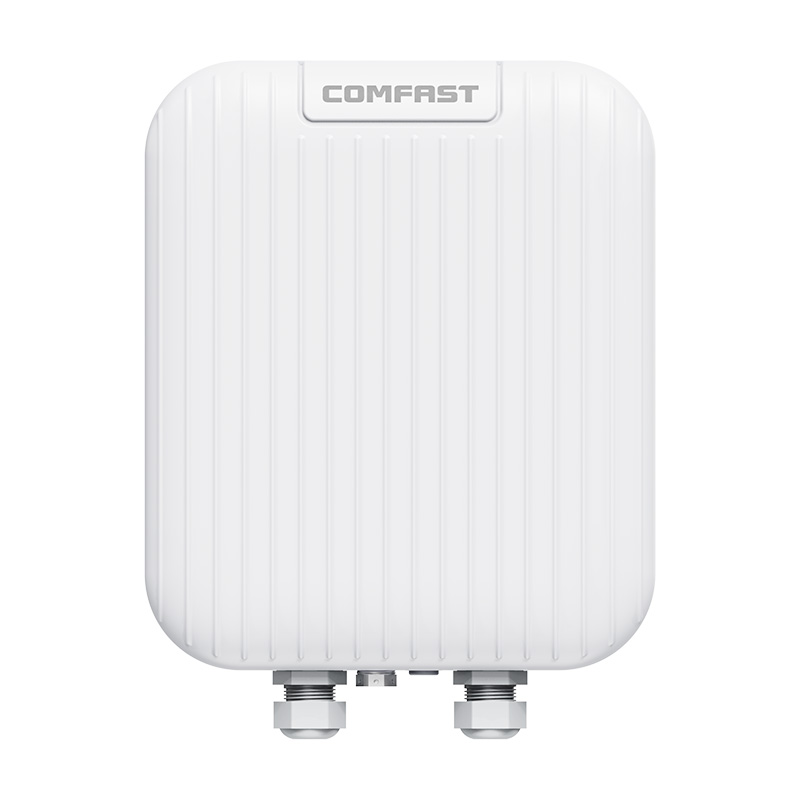
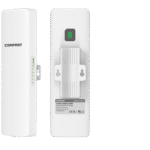
| CF-WA933 | Outdoor WiFi 6 AP | Fuel islands, fuel pump payment areas, station main entrance, exit lane, license plate recognition zone, parking spaces, and truck temporary parking area | Suitable for vehicle-facing outdoor zones affected by canopy structures, pump cabinets, vehicle blocking, and metal reflection |
| CF-WA937 | Outdoor WiFi 6 AP | EV charging area, car wash area, vacuum bays, station roads, electronic price sign area, security booth, fuel tank perimeter, and unloading perimeter | Provides stronger outdoor operation coverage for longer-stay EV users, car wash zones, and key station service areas |
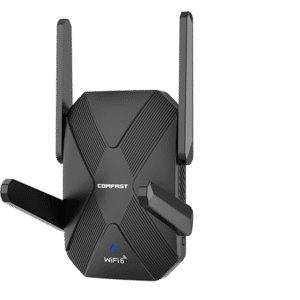
| CF-E112N V2 | Wireless bridge | CCTV wireless backhaul for parking cameras, exit lane cameras, fuel tank perimeter cameras, unloading perimeter cameras, car wash cameras, and remote security points | Avoids pavement cutting, restricted-area cabling, and disruptive construction while maintaining stable CCTV transmission |
5. Project Equipment Configuration Quantity
Based on the approximately 7,800 square meter gas station area, 1,200 square meter indoor coverage area, 6,600 square meter outdoor coverage area, 12 fuel pumps, 8 EV charging bays, car wash area, cashier POS network, license plate recognition entrance, electronic price sign, fuel tank perimeter, unloading perimeter, and remote CCTV points, the recommended equipment configuration for this project was as follows:
| Equipment Model | Quantity | Deployment Location |
|---|---|---|
| CF-RG215 | 1 unit | Equipment room, used as the core gateway for customer WiFi, cashier POS, fuel pump payment, EV charging, CCTV, staff office, and management networks |
| CF-SG181P | 3 units | Equipment room, fuel canopy / outdoor distribution point, and car wash / EV charging distribution point for PoE power, AP connection, bridge connection, uplink ports, and maintenance reserve |
| CF-WR653AX | 1 unit | Station manager office and equipment room for authorized management WiFi, temporary testing, emergency network support, and maintenance tool access |
| CF-E390AX | 3 units | Convenience store, cashier zone, coffee area, fast food area, retail shelf area, staff passage, and indoor customer service zones |
| CF-E591AX | 4 units | Staff office, duty room, equipment room, finance room, small meeting room, and small functional rooms requiring room-level coverage |
| CF-WA933 | 5 units | Fuel islands, pump payment zones, station entrance, exit lane, license plate recognition area, parking spaces, and truck temporary parking area |
| CF-WA937 | 5 units | EV charging bays, car wash area, vacuum bays, station roads, electronic price sign area, security booth, fuel tank perimeter, and unloading perimeter |
| CF-E112N V2 | 4 pairs | Parking area cameras, exit lane cameras, fuel tank perimeter cameras, unloading perimeter cameras, car wash cameras, and remote security monitoring points |
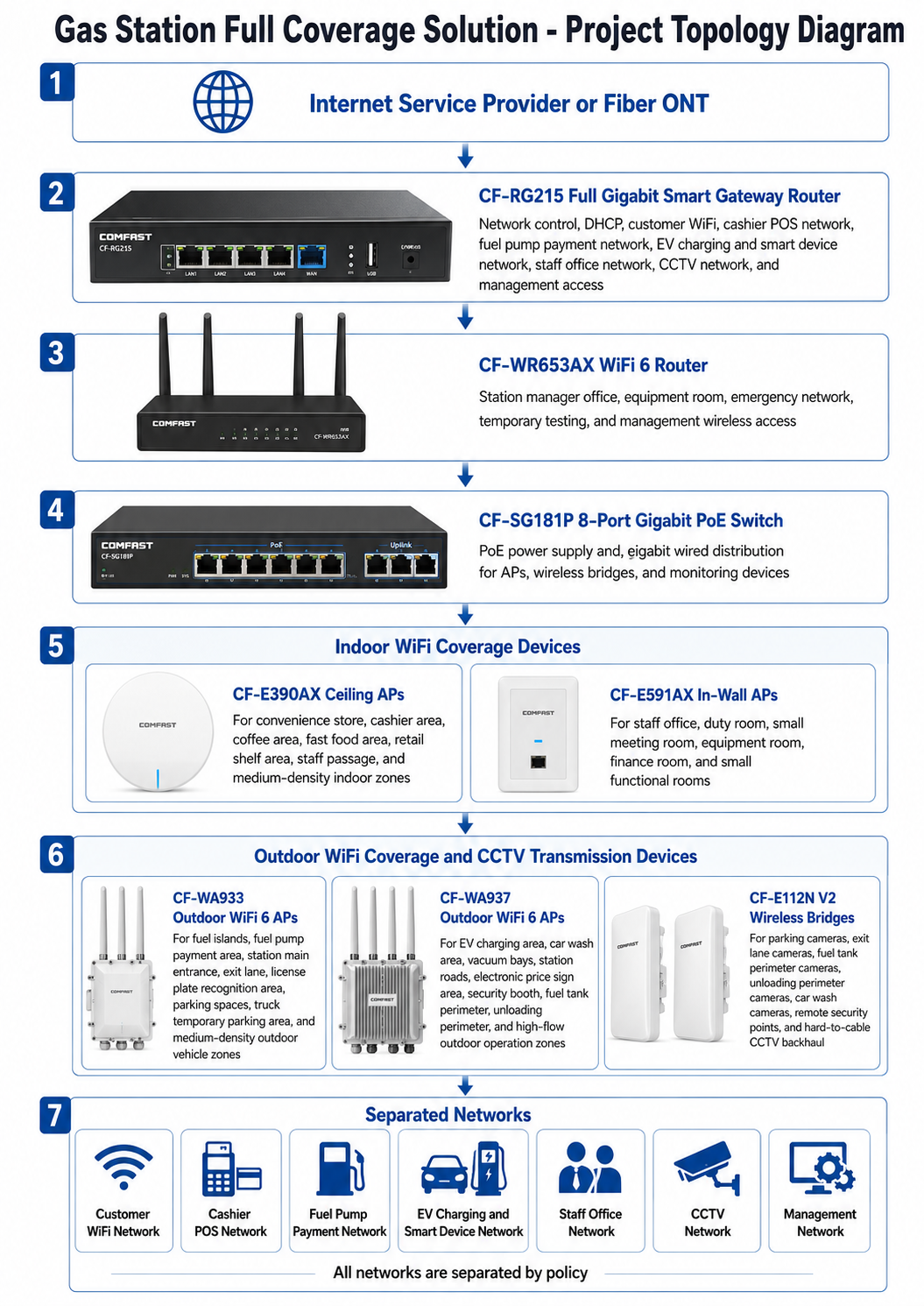
6. Project Topology Diagram
7. Site Survey and Troubleshooting Process
We began the project by walking the full site with the gas station owner, station manager, cashier supervisor, fuel pump maintenance engineer, EV charging operator, car wash manager, security supervisor, and maintenance technician. We followed real vehicle movement from entrance to fuel islands, from pumps to cashier, from EV chargers to parking, from car wash to vacuum bays, and from exit lane to CCTV monitoring points.
At the station entrance, we tested license plate recognition upload speed, camera response, vehicle queuing behavior, and network access near the entry lane. We confirmed that the entrance network required both outdoor coverage and stable CCTV return.
At the fuel islands, we tested payment terminal connectivity, pump-side device response, signal behavior under the fuel canopy, and obstruction from vehicles, pump cabinets, metal columns, and service trucks. The AP layout had to be planned around actual pump locations and vehicle blocking.
In the convenience store, we tested cashier POS terminals, barcode scanners, payment devices, receipt printers, coffee ordering devices, fast food terminals, and staff tablets. POS traffic required a separated and more stable network policy.
At the EV charging area, we tested charger backend communication, customer app connectivity, maintenance device access, and customer WiFi experience around charging bays. Because EV users remain on site longer than fuel customers, coverage and stability were both important.
At the car wash area, we inspected water mist direction, wall surfaces, equipment vibration, vehicle movement, payment kiosk position, and camera points. AP and camera link placement had to avoid wet-risk areas and service equipment impact.
At the electronic price sign, we tested update response and controller network access. The sign network needed to be separated from customer traffic to improve update reliability.
At the parking area, truck temporary parking area, and exit lane, we tested outdoor WiFi, camera backhaul, and staff mobile access. Several points were difficult to cable because of active vehicle lanes and pavement routes.
At the fuel tank perimeter and unloading perimeter, we confirmed safety distances, restricted work zones, camera positions, and allowed installation routes. All work had to respect fueling station safety rules and avoid unloading windows.
In the equipment room and weak current box, we inspected existing cables, switch ports, power conditions, PoE requirements, old adapters, grounding, and cable labels. We prepared a cleanup and relabeling plan before final commissioning.
For CCTV wireless transmission, we checked parking cameras, exit lane cameras, fuel tank perimeter cameras, unloading perimeter cameras, car wash cameras, and remote security points. Each CF-E112N V2 bridge link was checked for line of sight, mounting height, obstruction, power access, waterproof cable direction, and long-term serviceability.
8. Problems Found During Implementation
The original network was built around consumer-grade routers and mixed access. It could not reliably support cashier POS, fuel pump payment, customer WiFi, EV charging devices, electronic price signs, CCTV, and staff office access at the same time.
Fuel pump payment instability was not just a weak signal problem. Payment devices were sharing network space with customer WiFi and cameras, while AP placement around the canopy did not account for vehicles, metal pump cabinets, and canopy structures.
The fuel island signal changed throughout the day. Large vehicles, delivery trucks, and fuel tanker activity changed the signal environment. We used outdoor APs and adjusted direction and power to cover the actual pump payment zones.
The EV charging area needed continuous connectivity. Charging devices required backend communication, and users stayed for longer sessions. We treated this area as a dedicated smart device and customer dwell zone, not just a parking corner.
The car wash zone required water-aware installation. Equipment vibration, water mist, wet surfaces, and moving vehicles created risks for AP placement, cable routing, and camera backhaul. We selected protected mounting positions and used wireless bridge backhaul where cabling was impractical.
Cashier POS, fuel pump payment, EV charging, electronic price sign, and CCTV could not share the same policy as customer WiFi. We separated these systems to protect payment and operation stability.
Fuel tank perimeter and unloading perimeter camera points were difficult to cable. New cable routes would have involved safety review, pavement crossing, and restricted-area work. CF-E112N V2 wireless bridges reduced construction risk and improved CCTV return.
The old equipment box lacked clear labeling. Without port records and AP maps, troubleshooting during business hours was slow. We reorganized the device layout and created clear handover documentation.
Construction had to avoid fuel sales peaks, tanker unloading times, car wash peaks, convenience store rush hours, and fire safety inspections. We used phased low-traffic construction windows and kept vehicle routes open throughout the project.
9. Final Engineering Solution
The CF-RG215 was deployed as the station’s core gateway. It handled DHCP, network control, and policy separation for customer WiFi, cashier POS, fuel pump payment, EV charging and smart devices, staff office, CCTV, and management networks.
The CF-WR653AX was installed in the station manager’s office and equipment room. It provided management wireless access, emergency network support, temporary testing, and maintenance tool connectivity for authorized staff and engineers.
The CF-SG181P 8-port gigabit PoE switch provided PoE power and wired distribution for indoor APs, outdoor APs, wireless bridges, and selected monitoring devices. The compact PoE design matched the gas station’s limited equipment space.
CF-E390AX ceiling APs were deployed in the convenience store, cashier zone, coffee area, fast food area, retail shelf area, and staff passage. This improved indoor customer WiFi, cashier system support, and staff device access.
CF-E591AX in-wall APs were deployed in the staff office, duty room, small meeting room, equipment room, finance room, and small functional rooms. This provided room-level coverage where ceiling APs were not ideal.
CF-WA933 outdoor APs were deployed around fuel islands, pump payment zones, station entrance, exit lane, license plate recognition area, parking spaces, and truck temporary parking areas. These APs provided coverage for vehicle-facing outdoor zones.
CF-WA937 outdoor APs were deployed around EV charging bays, car wash, vacuum bays, station roads, electronic price sign area, security booth, fuel tank perimeter, and unloading perimeter. These areas required stronger outdoor operation coverage and better long-term durability.
CF-E112N V2 wireless bridges were deployed for CCTV backhaul from parking area cameras, exit lane cameras, fuel tank perimeter cameras, unloading perimeter cameras, car wash cameras, and remote security points.
10. Different Area Network Design
Station Main Entrance Coverage: The station entrance used CF-WA933 APs for vehicle arrival areas and license plate recognition support. Entrance cameras and recognition devices were kept away from customer WiFi traffic.
Exit Lane Coverage: The exit lane used outdoor AP coverage and CF-E112N V2 bridge backhaul for camera transmission. This supported exit monitoring and vehicle flow review.
Fuel Island Coverage: Fuel islands used CF-WA933 outdoor APs. AP position and direction were planned around fuel dispensers, canopy columns, pump-side payment terminals, and vehicle stopping positions.
Fuel Pump Payment Network: Fuel pump payment terminals were placed on a dedicated fuel pump payment network. This separated payment traffic from customer WiFi, staff browsing, and CCTV traffic.
Convenience Store Coverage: The convenience store used CF-E390AX ceiling APs for cashier support, customer WiFi, shelf area coverage, coffee ordering, and staff device access.
Cashier POS Network: Cashier POS terminals, barcode scanners, payment terminals, receipt printers, coffee ordering devices, and back-office systems were assigned to the cashier POS network.
Retail Shelf Area Coverage: Retail shelves and customer browsing zones used CF-E390AX coverage. The layout considered shelf obstruction, customer flow, and POS device locations.
Coffee and Fast Food Area Coverage: Coffee and fast food areas required stable coverage for ordering devices, payment terminals, staff tablets, and customer WiFi. Business devices were separated from public access.
Staff Office Network: The staff office used CF-E591AX in-wall APs and controlled access for office computers, supervisor tablets, inventory devices, and maintenance tools.
Duty Room and Equipment Room Network: The duty room and equipment room used CF-E591AX in-wall APs and CF-WR653AX management access. This supported maintenance, temporary testing, and emergency diagnostics.
License Plate Recognition Entrance Network: License plate recognition cameras and recognition controllers used a controlled smart device network to improve upload speed and reduce delays during entry peaks.
Electronic Price Sign Network: The electronic price sign controller was placed on the EV charging and smart device network. This improved price update reliability and separated sign control from customer WiFi.
EV Charging Area Coverage: The EV charging area used CF-WA937 outdoor APs. Coverage supported charger backend communication, maintenance devices, customer apps, and customer WiFi during longer charging sessions.
Car Wash Area Coverage: The car wash area used CF-WA937 AP coverage and CF-E112N V2 bridge backhaul for selected cameras. Device positions avoided water mist, moving equipment, and vehicle contact zones.
Vacuum Area Coverage: The vacuum area used outdoor AP coverage for customer access, staff devices, and monitoring cameras. AP direction was adjusted to cover actual vehicle stopping positions.
Parking Area Coverage: Parking spaces used CF-WA933 APs and bridge-backed CCTV where cabling was difficult. The design supported short-term customer parking and staff monitoring.
Truck Temporary Parking Area Coverage: Truck temporary parking required outdoor coverage that could handle vehicle obstruction. CF-WA933 APs were placed to reduce blind spots caused by large vehicles.
Fuel Tank Perimeter CCTV Network: Fuel tank perimeter cameras used CCTV network isolation and CF-E112N V2 wireless bridge backhaul where new cable routing was not suitable.
Fuel Unloading Perimeter CCTV Network: Unloading perimeter monitoring was designed around safety procedures and unloading windows. Camera backhaul remained separated from customer and payment networks.
Security Booth Coverage: The security booth used CF-WA937 outdoor AP support and controlled staff access for CCTV viewing, communication devices, and security management tablets.
Station Road Coverage: Station roads used CF-WA937 APs to support staff operation, monitoring points, and coverage transitions between fuel, EV charging, car wash, and parking areas.
Remote CCTV Wireless Bridge Backhaul: CF-E112N V2 bridges connected cameras where cable routing would cross active vehicle lanes, unloading areas, car wash structures, or safety-controlled zones.
11. Indoor and Outdoor AP Installation Details
Indoor APs were installed according to store layout, cashier position, shelf arrangement, coffee counter location, fast food service area, ceiling height, cable route, and maintenance access. We avoided placing APs where shelves or signage would block coverage.
In-wall APs were installed in enclosed rooms where room-level coverage was more reliable than relying on leakage from the store area. This improved WiFi in the station manager office, duty room, and equipment room.
Outdoor APs were installed according to vehicle flow, fuel island layout, canopy structure, EV charging bay position, car wash entrance, station roads, and camera points. We selected locations that would not interfere with vehicle clearance, safety signage, or maintenance access.
At fuel islands, APs were mounted away from pump service panels and protected from accidental contact. Direction and power were adjusted to cover pump payment terminals without creating unnecessary interference inside the convenience store.
At the EV charging and car wash areas, AP and cable routes were planned with water resistance, device protection, and maintenance safety in mind. We avoided splash-heavy and vibration-heavy mounting positions where long-term stability would be affected.
After installation, we tuned channels and transmit power. We did not set every AP to maximum power because the site was compact and had many different business systems. Controlled power reduced interference and improved device stability.
Every AP, bridge, switch port, and key cable route was labeled. We cleaned the weak current box, removed unnecessary old adapters, updated port records, and delivered a simple maintenance map to station management.
12. Wireless Bridge Transmission Design
Parking area cameras used CF-E112N V2 wireless bridges to avoid trenching across customer parking spaces and vehicle lanes. The links were tested during daytime and evening traffic periods.
Exit lane cameras used bridge backhaul where cable routing would have crossed traffic flow and station exit paving. Video feeds were verified at the monitoring device in the staff area.
Fuel tank perimeter cameras used wireless bridge transmission to avoid unnecessary cabling near safety-controlled areas. All installation work followed station safety approval and access rules.
Unloading perimeter cameras used bridge links to monitor tanker activity and restricted zones without crossing underground utility routes or interfering with unloading procedures.
Car wash cameras used bridge backhaul to avoid long wet-area cable runs and reduce cable exposure around moving equipment and water mist.
Remote security points used CF-E112N V2 bridges where direct cabling was not efficient. Each link was documented with alignment direction, mounting height, cable protection notes, and maintenance access information.
13. Network Segmentation and Security Design
Customer WiFi Network: The customer WiFi network served visitors in the convenience store, coffee area, fast food area, EV charging area, parking area, and selected waiting zones. It was isolated from payment, POS, CCTV, staff, and management systems.
Cashier POS Network: The cashier POS network supported POS terminals, barcode scanners, payment devices, receipt printers, coffee ordering devices, and back-office retail systems.
Fuel Pump Payment Network: The fuel pump payment network supported pump-side payment terminals and fuel island operation devices. It was protected from customer WiFi and general staff browsing.
EV Charging and Smart Device Network: The EV charging and smart device network supported EV chargers, electronic price sign controller, license plate recognition controller, selected smart devices, and maintenance terminals.
Staff Office Network: The staff office network supported manager computers, finance devices, staff tablets, inventory tools, maintenance devices, and office printers.
CCTV Network: The CCTV network carried video traffic from wired cameras and CF-E112N V2 wireless bridge links. Keeping camera traffic separate improved monitoring stability and made troubleshooting clearer.
Management Network: The management network was reserved for the core gateway, WiFi 6 router, PoE switch, APs, wireless bridges, and authorized maintenance devices. Access was limited to the station IT contact and approved engineering staff.
14. What We Did Differently from Other Engineering Teams
We did not simply extend convenience store WiFi toward the fuel islands. A modern gas station needs separate planning for customer WiFi, cashier POS, fuel pump payment, EV charging, smart devices, CCTV, staff access, and management devices.
We did not judge the project only by signal bars. We tested vehicle movement, pump payment terminals, cashier POS, license plate recognition, EV charging communication, electronic price sign updates, car wash cameras, and CCTV backhaul stability.
We did not blindly increase AP transmit power. In a compact site with many metal structures and payment devices, excessive power can create interference and unstable device behavior. We tuned AP height, direction, channel, and power level according to real usage zones.
We did not put customer WiFi, cashier POS, fuel pump payment, EV charging, staff devices, CCTV, and management equipment into one flat network. Business-critical systems were separated from public access from the beginning.
We did not pull cables blindly through safety-controlled areas. Where cabling would affect vehicle lanes, unloading perimeter, fuel tank area, or car wash structures, we used CF-E112N V2 wireless bridges for CCTV backhaul.
We did not interrupt fueling operations. Construction was completed by zone during low-traffic windows, outside fuel unloading periods, and with station safety approval.
We did not leave a messy weak current box behind. The customer received AP maps, bridge records, switch port labels, topology notes, and maintenance guidance.
15. Project Acceptance Results
Convenience store WiFi coverage test passed.
Cashier POS network test passed.
Fuel pump payment terminal test passed.
Fuel island outdoor WiFi test passed.
License plate recognition upload test passed.
Electronic price sign update test passed.
EV charging communication test passed.
Car wash WiFi and camera test passed.
Vacuum area coverage test passed.
Parking area WiFi test passed.
Truck temporary parking area coverage test passed.
Exit lane camera test passed.
Fuel tank perimeter camera backhaul test passed.
Fuel unloading perimeter camera backhaul test passed.
Staff office network test passed.
Management wireless access test passed.
CF-E112N V2 wireless bridge CCTV backhaul test passed.
Customer WiFi, cashier POS, fuel pump payment, EV charging and smart device, staff office, CCTV, and management network isolation test passed.
Device labels, AP location records, bridge alignment notes, switch port map, topology diagram, and maintenance handover completed.
16. Customer and User Feedback
Gas Station Owner Feedback: “The new network gives us a much more reliable foundation. Fuel payment, cashier POS, EV charging, customer WiFi, and CCTV are now separated and easier to manage.”
Station Manager Feedback: “The system is more stable during morning and evening traffic peaks. We also have clearer labels and documents for future maintenance.”
Cashier Supervisor Feedback: “POS terminals and payment devices are more reliable now, especially during store rush hours.”
Fuel Pump Maintenance Engineer Feedback: “Pump-side payment terminals stay connected more consistently, and troubleshooting is easier because the fuel payment network is separated.”
EV Charging Operator Feedback: “Charging devices communicate more reliably with the backend platform, and customers have better WiFi around the charging bays.”
Car Wash Manager Feedback: “The camera feed and payment kiosk network in the car wash area are much more stable than before.”
Security Supervisor Feedback: “Camera feeds from the exit lane, parking area, fuel tank perimeter, unloading perimeter, and car wash are more stable after the wireless bridge upgrade.”
Staff User Feedback: “The office WiFi and maintenance access are better. We can check devices without depending on the customer WiFi network.”
Customer User Feedback: Customers reported smoother WiFi access in the convenience store, coffee area, EV charging area, and parking waiting zones.
Maintenance Technician Feedback: “The AP labels, bridge directions, and switch port records make inspection much faster. The equipment box is much cleaner now.”
17. Project Summary
Project MetroFuel Full Coverage was a successful Gas Station Full Coverage Solution in Melbourne. The project solved cashier POS instability, fuel pump payment dropouts, license plate recognition upload delays, discontinuous fuel island coverage, unstable EV charging communication, car wash camera backhaul issues, parking and exit lane monitoring gaps, slow electronic price sign updates, weak staff office WiFi, mixed customer and business traffic, difficult remote camera cabling, and incomplete network documentation.
The final COMFAST solution used the CF-RG215 full gigabit smart gateway router, CF-SG181P 8-port gigabit PoE switch, CF-WR653AX WiFi 6 router, CF-E390AX ceiling APs, CF-E591AX in-wall APs, CF-WA933 outdoor APs, CF-WA937 outdoor APs, and CF-E112N V2 wireless bridges. This combination supported customer WiFi, cashier POS, fuel pump payment, EV charging and smart devices, staff office access, CCTV wireless backhaul, outdoor fuel island coverage, car wash coverage, and centralized maintenance.
The key value of this project was not simply adding more APs. The real value was designing a gas station network around payment reliability, POS stability, vehicle flow, fuel canopy signal behavior, EV charging communication, car wash environmental challenges, CCTV backhaul, safety restrictions, and long-term maintainability.
18. Lessons Learned and Advice to Other Contractors
Gas station WiFi must be designed around business systems and safety restrictions, not only coverage area.
Fuel pump payment, cashier POS, EV charging devices, license plate recognition, electronic price signs, and CCTV must be protected from customer WiFi traffic.
Fuel island coverage must consider canopy structures, metal pump cabinets, vehicle obstruction, truck movement, and payment terminal locations.
EV charging areas need stable coverage because users stay longer and chargers require continuous backend communication.
Car wash areas require water-aware installation, protected cable routing, and stable camera backhaul planning.
Fuel tank and unloading perimeter CCTV should be designed with safety distance, restricted access, and approved work windows in mind.
Wireless bridges are effective for CCTV points where cabling would affect vehicle lanes, unloading safety, pavement, or restricted areas.
Construction must avoid fuel sales peaks, unloading windows, car wash peaks, store rush hours, vehicle bottlenecks, and fire safety inspection periods.
Professional handover must include AP maps, bridge records, switch port labels, topology notes, network segmentation notes, and maintenance guidance.
For gas station projects, do not design only from a small site plan. Walk the vehicle route from entrance to pump, from pump to cashier, from EV charger to parking, from car wash to vacuum area, and from exit lane to CCTV monitoring. The network must follow how customers, staff, vehicles, payment systems, cameras, and smart devices actually use the station.
Do not solve every weak signal issue by increasing AP power. In a compact gas station with metal structures and payment devices, excessive power creates interference and unstable performance. Correct AP placement, channel planning, power tuning, and network segmentation are more important.
Do not mix customer WiFi, cashier POS, fuel pump payment, EV charging devices, staff office access, cameras, and management equipment in one flat network. A professional gas station network must protect payment and safety systems from public traffic.
A Gas Station Full Coverage Solution is complete only when customers connect smoothly, cashier POS stays stable, fuel pump payment is reliable, license plate recognition uploads quickly, electronic price signs update on time, EV chargers communicate continuously, car wash cameras transmit clearly, CCTV monitoring remains stable, and the station team can maintain the system confidently. That was the standard we delivered for Project MetroFuel Full Coverage.