










What a Wireless Bridge Actually Does
A bridge turns copper packets into tightly-focused radio beams, shoots them through the air, and converts them back to Ethernet on the far side—no trenching, no conduit, no permit headaches.

Where You’ll Use One
- IP cameras on a farm, mine, or construction site
- Elevator cabs where coax can’t survive the constant flex
- Two offices separated by a street, river, or mountain
- Temporary pop-up warehouses, festivals, or disaster-relief nets
- Last-mile ISP drops when fiber quotes make you cry
5 Specs That Matter
1. Distance
Buy 30 % more range than Google Maps says you need. A 5 km-rated bridge will give clean throughput at 3 km once rain, foliage, and interference join the party.
2. Frequency
- 2.4 GHz: goes through trees and walls, crowded in cities
- 5 GHz / 5.8 GHz: almost interference-free, narrower beam, best for 1–15 km line-of-sight
- Dual-band models let you swap on site
3. Throughput
- 150–300 Mb/s: fine for 4 MP cameras or small office traffic
- 600–900 Mb/s: 4 K video, PLC data, and guest Wi-Fi on the same link
Remember: divide by two for full-duplex overhead
4. Power & Survivability
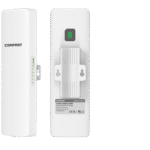
PoE (802.3af/at) means one cable does everything. Look for IP67 or IP68 housings, -40 °C to +70 °C operating range, and 6 kV surge protection if you mount on a steel tower.
5. Pairing Method
- Button: hold 3 s, done—great for 1–2 units
- DIP switch: visual, no login—perfect for weekend installers
- Auto-sync: power them up in the same box, they find each other—deploy 100 bridges in a day
Pro Shopping Cheat-Sheet
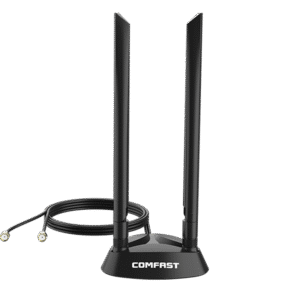
≤ 1 km, light foliage → 2.4 GHz, 300 Mb, 14 dBi antenna
1–5 km, clear LoS → 5.8 GHz, 600 Mb, 23 dBi panel
5–20 km, backhaul → 5 GHz, 900 Mb, 30 dBi dish, dual polar, GPS sync
Pick the rung that matches your shot, add 30 % head-room, and your link will stay solid long after the first thunderstorm.