










Project Victory Hall Connected Venue: Full WiFi Coverage Solution for a Large Sports Center in California
Contractor Team Introduction
We are a local Shenzhen WiFi engineering contractor with extensive experience in sports center WiFi coverage, high-density stadium networks, indoor arena WiFi, fitness center WiFi, swimming pool area WiFi, basketball court WiFi, badminton hall WiFi, event-day public WiFi, ticketing network deployment, POS network planning, CCTV wireless transmission, media streaming network design, office WiFi, VIP lounge coverage, and outdoor public area wireless systems.
A sports center network is very different from a standard office network. The venue has high user density during games, fast traffic changes during entry and exit, strict ticketing and POS stability requirements, media and streaming needs, staff operation networks, athlete and referee areas, humid swimming pool environments, wide steel-structure spaces, outdoor plazas, parking entrances, and remote security camera points. A successful sports center WiFi solution must be planned around game-day behavior, not only normal weekday usage.
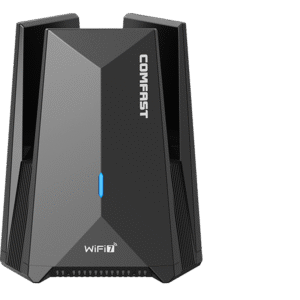
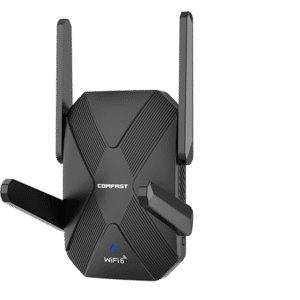
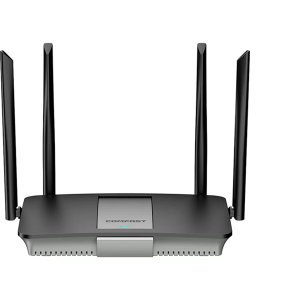
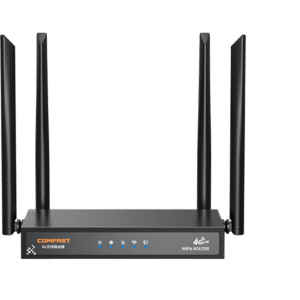
Our team has used COMFAST equipment in many sports, commercial, hospitality, public area, and surveillance transmission projects. Based on our field experience, COMFAST routers, gateways, PoE switches, ceiling APs, in-wall APs, outdoor APs, and long-distance wireless bridges are practical for complex venues because they support flexible deployment, centralized PoE power, clean installation, and clear network segmentation. For this project, we selected COMFAST CF-AC400 full gigabit core router, CF-SG1241P 24-port gigabit PoE switch, CF-WR631AX V3 AX3000 WiFi 6 router, CF-E390AX WiFi 6 ceiling APs, CF-E393AX WiFi 6 ceiling APs, CF-E593AX WiFi 6 in-wall APs, CF-WA937 outdoor WiFi 6 APs, CF-WA933 outdoor WiFi 6 APs, and CF-E319A V3 long-distance wireless bridges.
This case study documents our Sports Center Full Coverage Solution for Victory Hall Sports Center, a multi-purpose sports venue in California. The project covered the main entrance, ticketing counters, turnstiles, audience hall, spectator seating, basketball court, badminton courts, swimming pool area, fitness center, training rooms, athlete lounge, referee room, VIP lounge, media interview area, live streaming equipment zone, office rooms, meeting rooms, merchant and food court area, public corridors, elevator lobbies, outdoor plaza, parking entrance, security booth, temporary event area, and remote CCTV camera points.
1. Project Overview
Basic Project Information
Project Name: Project Victory Hall Connected Venue
Project Location: Irvine, California, United States
Site Type: Large multi-purpose sports center with indoor arena, training halls, pool area, fitness center, public concourse, outdoor plaza, parking entrance, and event facilities
Total Building Area: Approximately 42,000 square meters
Outdoor Coverage Area: Approximately 12,000 square meters
Audience Capacity: Around 7,800 seats in the main arena
Peak Event Traffic: More than 10,000 users including spectators, athletes, staff, vendors, media crews, and security teams
Main Coverage Areas: Main entrance, ticketing area, turnstiles, audience hall, spectator seating, basketball court, badminton court, swimming pool, fitness center, athlete lounge, referee room, VIP lounge, media area, live streaming zone, offices, meeting rooms, food court, public corridors, elevator lobbies, outdoor plaza, parking entrance, security booth, and remote CCTV points
Project Type: Sports Center Full Coverage Solution with high-density WiFi, ticketing and POS network, media and streaming network, staff network, CCTV wireless backhaul, and management network separation
Project Cycle: Seven weeks from survey to final acceptance, completed during non-event windows, early mornings, late nights, and reserved maintenance periods.
2. Customer Pain Points Before the Project
Main Entrance and Ticketing Network Congestion
During event entry, the main entrance and ticketing counters became crowded within a short time window. Mobile ticket scanning, staff tablets, guest WiFi connections, and POS activity competed for network resources. The old system caused slow scanning and delayed guest entry during peak arrival.
Spectator Seating Had Signal but Poor Capacity
The audience seating area showed acceptable signal on a simple test, but the network slowed down during games. The problem was not only coverage; it was AP load, client density, roaming behavior, and channel planning.
Ticketing, Turnstile, and POS Devices Were Mixed with Public WiFi
Ticketing counters, turnstile scanners, food court POS terminals, and merchant payment devices were previously too close to the public wireless environment. During large events, public WiFi load affected business devices.
Media and Streaming Area Needed Lower Latency
The media interview area and live streaming equipment zone required stable and low-latency access. The previous network occasionally showed delay and packet loss during live coverage preparation.
Steel Structure and Large Indoor Spaces Created RF Challenges
The arena included steel roof structures, wide seating sections, concrete walls, long corridors, and large open courts. These caused reflection, signal shadowing, and uneven coverage when APs were placed without detailed RF testing.
Swimming Pool Area Required Special Installation Attention
The pool area had humidity, reflective water surfaces, and corrosion-sensitive mounting conditions. The customer needed a careful AP placement plan that avoided unsafe locations and protected long-term reliability.
Outdoor Plaza and Parking Entrance Had Weak WiFi
The outdoor queue area, parking entrance, security booth, and temporary activity zone had limited connectivity. Staff and visitors needed stable access before entering the building, especially during outdoor queue management and event check-in.
Remote CCTV Backhaul Was Unstable
Several cameras at the parking entrance, outdoor plaza edge, temporary event points, and remote security positions were difficult to cable. The old temporary camera transmission links were not stable enough for event security monitoring.
3. Customer Requirements
Confirmed Requirements from Venue Management
Full indoor and outdoor WiFi coverage for the sports center.
High-density audience WiFi support on game days.
Stable ticketing, turnstile, access control, POS, and ordering network.
Reliable low-latency media and streaming network.
Stable staff network for operations, security, venue management, maintenance, and event teams.
Complete coverage for athlete lounge, referee room, VIP lounge, media interview rooms, offices, and meeting rooms.
Safe and stable installation in swimming pool and fitness areas.
Outdoor WiFi coverage for main plaza, outdoor queue area, parking entrance, temporary event area, and security booth.
Wireless CCTV backhaul for hard-to-cable remote cameras.
Audience WiFi, staff network, ticketing and POS network, media and streaming network, CCTV network, and management network separated by policy.
Clean installation, centralized PoE power, labeled equipment, topology documentation, and simple long-term maintenance.
4. COMFAST Equipment Used in This Project
The following are the main COMFAST equipment models used in this project and their usage descriptions.
| Equipment Model |
Type | Project Use | Reason for Use |
|---|---|---|---|
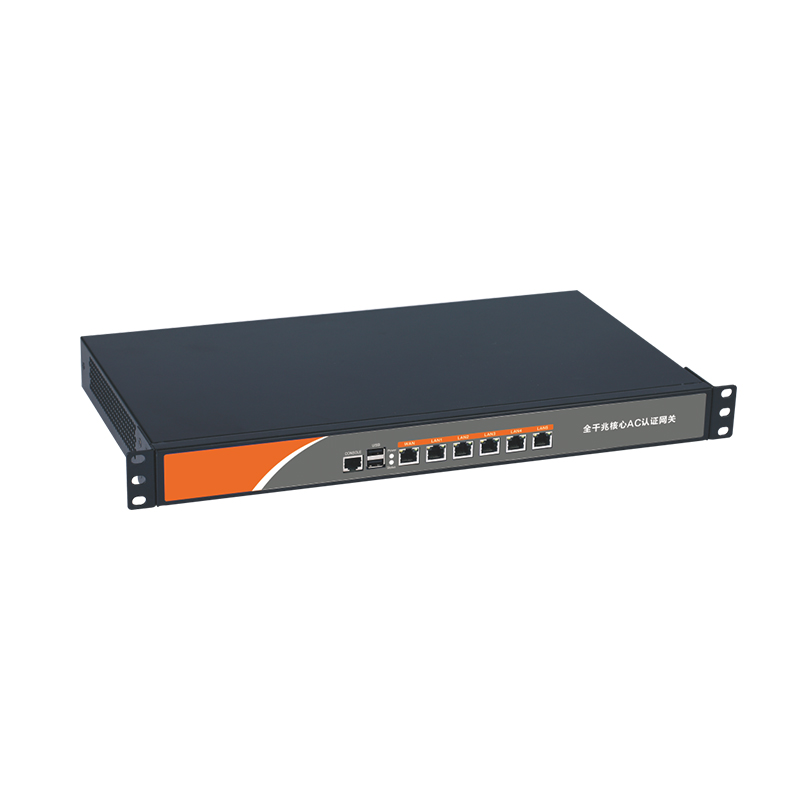
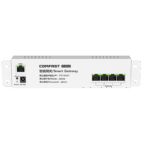
| CF-AC400 | Full gigabit core router | Network control, DHCP, audience WiFi policy, staff network policy, ticketing and POS network policy, media and streaming network policy, CCTV network planning, and management access | Suitable as the sports center core router, separating audience WiFi from staff, ticketing, POS, media, CCTV, and management traffic during high-density events |
| CF-SG1241P | 24-port gigabit PoE switch | PoE power supply and gigabit distribution for ceiling APs, in-wall APs, outdoor APs, wireless bridges, and selected monitoring devices | Centralized PoE reduces local power adapters, simplifies maintenance, and reserves capacity for temporary event expansion |
| CF-WR631AX V3 | AX3000 WiFi 6 router | Backstage office, equipment room, operations center, IT maintenance access, and temporary event configuration work | Provides controlled WiFi 6 management access for authorized IT staff and event technicians without exposing business systems to audience WiFi |
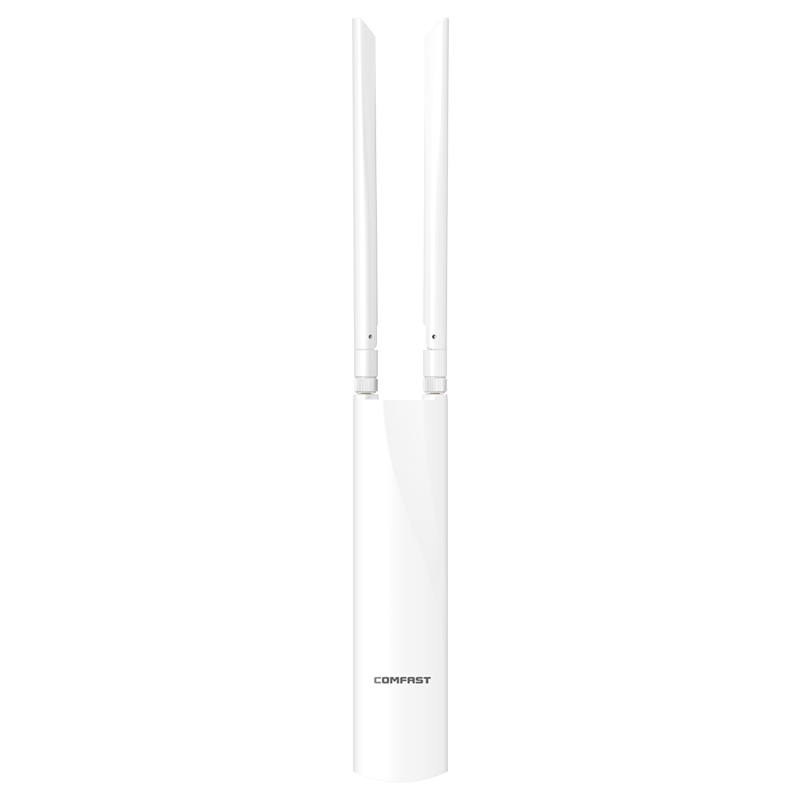
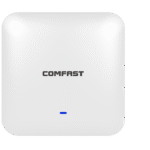
| CF-E390AX | WiFi 6 ceiling AP | Audience halls, public corridors, elevator lobbies, public rest areas, fitness center, training zones, and medium-density indoor spaces | Suitable for stable WiFi 6 coverage in common indoor areas with regular visitor movement and medium-density usage |
| CF-E393AX | WiFi 6 ceiling AP | Spectator seating, main arena, basketball court, badminton courts, media area, and live streaming equipment area | Selected for higher-density event zones that require stronger capacity, better client handling, and stable performance on game days |
| CF-E593AX | WiFi 6 in-wall AP | VIP lounges, athlete lounges, referee rooms, office rooms, meeting rooms, media interview rooms, and backstage rooms | Provides room-level coverage for private and functional rooms where ceiling APs are not the best fit |
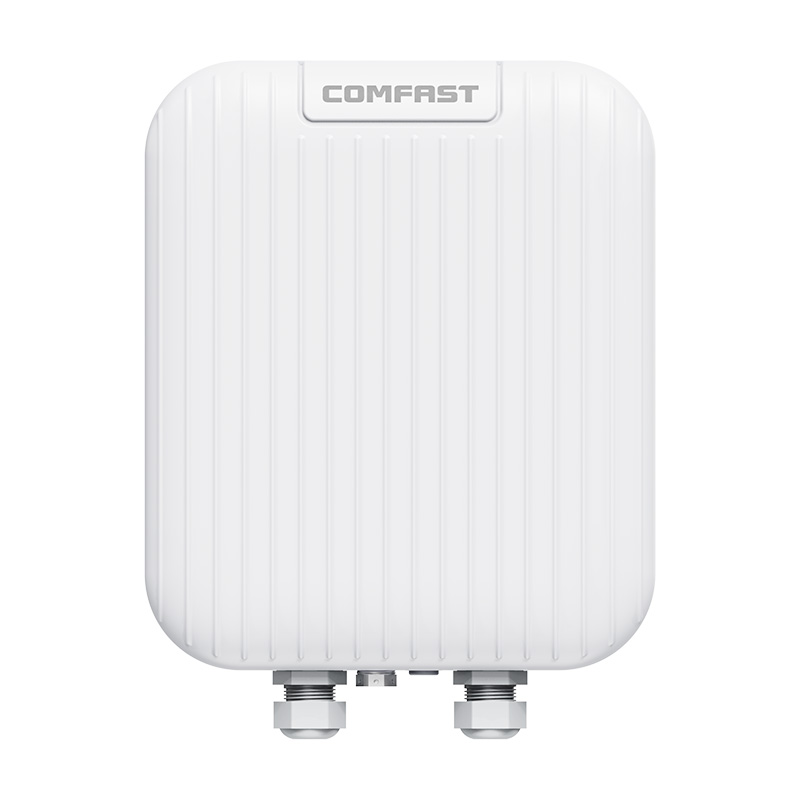
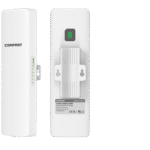
| CF-WA937 | Outdoor WiFi 6 AP | Main entrance plaza, outdoor queue area, parking entrance, temporary event area, and exterior pedestrian walkways | Suitable for outdoor event arrival and departure areas that need stable WiFi during crowd movement and queue management |
| CF-WA933 | Outdoor WiFi 6 AP | Security booth, parking management zone, outdoor merchant area, sports center exterior edge, and medium-density outdoor spaces | Extends outdoor coverage in secondary areas without overbuilding every exterior zone with higher-density APs |
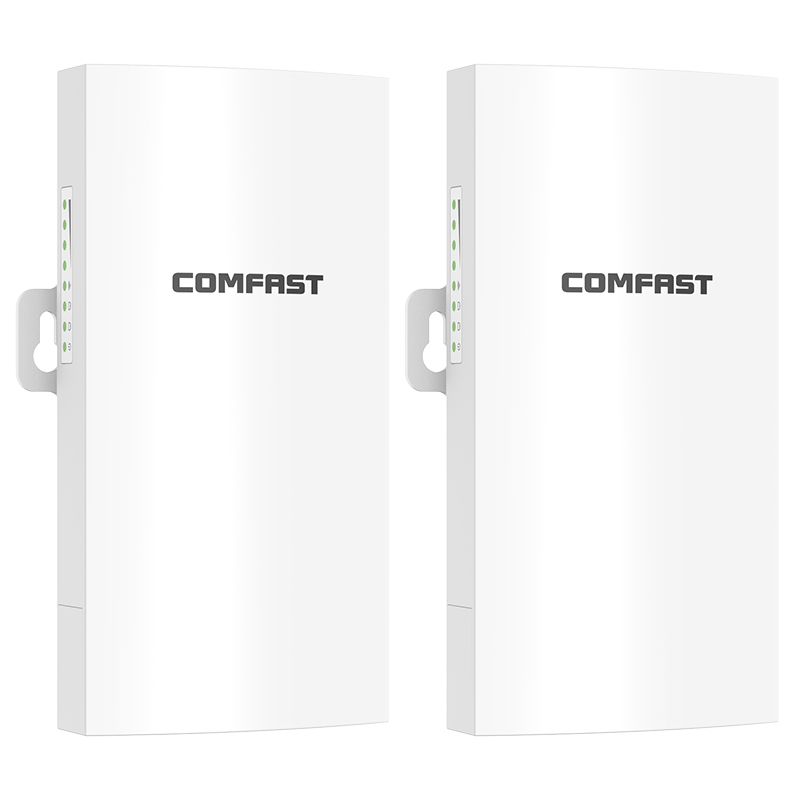
| CF-E319A V3 | Long-distance wireless bridge | CCTV wireless backhaul for parking entrance cameras, outdoor plaza cameras, remote security points, temporary activity monitoring points, and hard-to-cable camera locations | Avoids pavement cutting and event route interruption while maintaining stable CCTV transmission for security monitoring |
5. Project Equipment Configuration Quantity
Based on the approximately 42,000 square meter indoor sports center area, 12,000 square meter outdoor coverage area, around 7,800 main arena seats, more than 10,000 peak event users, ticketing and POS access, media and live streaming requirements, swimming pool and fitness areas, VIP and athlete rooms, outdoor plaza, parking entrance, temporary event zones, and remote CCTV points, the recommended equipment configuration for this project was as follows:
| Equipment Model | Quantity | Deployment Location |
|---|---|---|
| CF-AC400 | 1 unit | Main equipment room, used as the core router for audience WiFi, staff network, ticketing and POS network, media and streaming network, CCTV network, and management access |
| CF-SG1241P | 7 units | Main equipment room, arena distribution cabinets, concourse distribution points, pool and fitness area distribution point, backstage area, outdoor plaza cabinet, and parking entrance / security distribution point for PoE power, AP connection, bridge connection, uplink ports, and expansion reserve |
| CF-WR631AX V3 | 2 units | Backstage office, equipment room, and operations center for authorized maintenance staff, IT engineers, and temporary event configuration work |
| CF-E390AX | 32 units | Audience halls, public corridors, elevator lobbies, public rest areas, fitness center, training rooms, food court, office public areas, and medium-density indoor spaces |
| CF-E393AX | 28 units | Spectator seating blocks, main arena, basketball court, badminton courts, media area, live streaming equipment zone, and other high-density event areas |
| CF-E593AX | 18 units | VIP lounges, athlete lounges, referee rooms, office rooms, meeting rooms, media interview rooms, backstage rooms, and other room-level service areas |
| CF-WA937 | 8 units | Main entrance plaza, outdoor queue area, parking entrance, temporary event area, exterior pedestrian walkways, and high-traffic outdoor arrival and departure zones |
| CF-WA933 | 6 units | Security booth, parking management zone, outdoor merchant area, sports center exterior edge, medium-density outdoor spaces, and secondary outdoor service areas |
| CF-E319A V3 | 6 pairs | Parking entrance camera points, outdoor plaza cameras, remote security points, temporary activity monitoring points, and hard-to-cable camera locations requiring stable CCTV wireless backhaul |
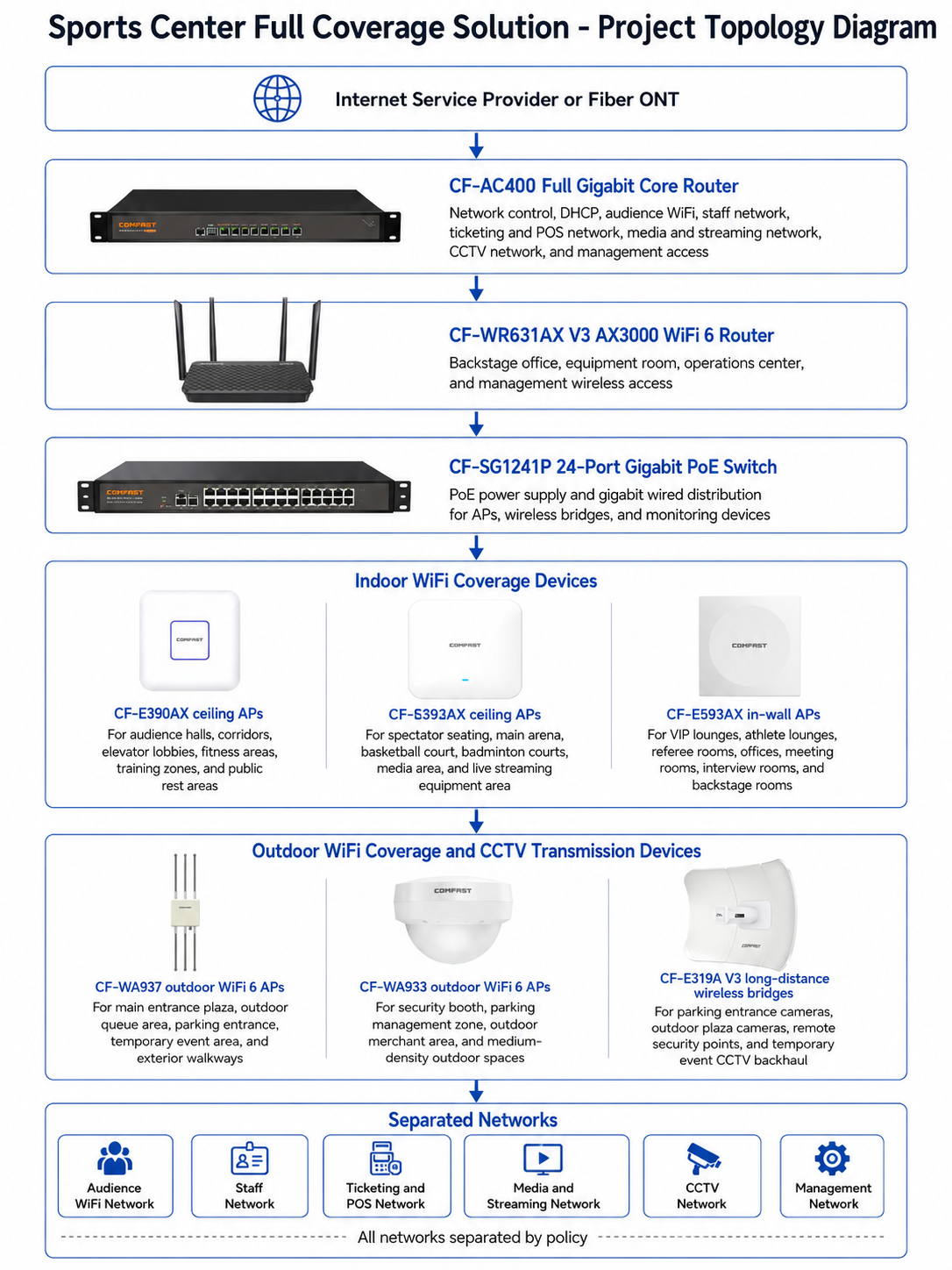
6. Project Topology Diagram
7. Site Survey and Troubleshooting Process
Event-Day Flow Analysis
We observed event-day arrival, halftime movement, vendor traffic, restroom flow, and post-event exit. The highest pressure points were the entrance plaza, ticketing area, turnstiles, audience hall, food court, spectator seating, and parking exit path.
Spectator Seating Capacity Review
We mapped seating blocks and device concentration. The seating area required capacity planning rather than simple signal coverage. CF-E393AX AP locations were selected based on seating density, steel structure behavior, and expected client load.
Ticketing and POS Device Testing
We tested ticket scanners, turnstile devices, POS terminals, ordering tablets, and payment devices during simulated entry and vendor activity. These devices were assigned to a dedicated ticketing and POS network.
Media and Live Streaming Test
We tested the media interview room, press desk, and live streaming equipment zone for latency, throughput, and stability. Media traffic was separated from audience WiFi to avoid event-day congestion.
Swimming Pool and Fitness Area Review
We inspected humidity, ceiling structure, safe mounting points, electrical routes, and device exposure around the pool area. In the fitness center, we considered equipment layout, mirrors, metal machines, and user density.
Outdoor Plaza and CCTV Bridge Survey
We surveyed the outdoor plaza, parking entrance, security booth, temporary event area, and remote camera points. For each CF-E319A V3 bridge link, we checked line of sight, mounting height, cable protection, obstruction risk, and security camera feed requirements.
8. Problems Found During Implementation
The Original Router Could Not Handle Event-Day Load
The previous router and AP layout worked during normal practice days but failed during events. We replaced the flat access model with a structured CF-AC400 core router, PoE switch distribution, and segmented AP design.
Spectator Seating Needed AP Load Planning
The seating area had signal, but APs were overloaded during games. CF-E393AX ceiling APs were planned around seating blocks and expected simultaneous clients.
Steel Structure Created Reflection and Blind Spots
The arena roof, seating frame, handrails, and equipment structures caused reflection and coverage gaps. We adjusted AP mounting positions and power levels after testing.
Business Devices Needed Separation
Ticketing, turnstile, POS, and ordering devices could not depend on the same network policy as public audience WiFi. We separated business traffic through the core router policy.
Remote Cameras Were Better Served by Wireless Bridges
Several camera points were located at parking and outdoor event areas where new cable routes would be disruptive. CF-E319A V3 bridges provided stable CCTV backhaul without cutting pavement or interrupting event routes.
9. Final Engineering Solution
Core Network and Policy Control
The CF-AC400 full gigabit core router provided DHCP, policy control, network segmentation, and centralized access control for audience WiFi, staff, ticketing and POS, media and streaming, CCTV, and management traffic.
Management Wireless Access
The CF-WR631AX V3 was installed in the operations center and backstage equipment room to provide authorized management wireless access for IT staff and event technicians.
PoE Distribution
The CF-SG1241P 24-port gigabit PoE switch delivered power and data to APs and wireless bridge devices. Centralized PoE reduced local power adapters and simplified maintenance.
Indoor AP Deployment
CF-E390AX APs covered medium-density indoor zones, while CF-E393AX APs covered high-density arena and media zones. CF-E593AX in-wall APs provided focused coverage for rooms that required dedicated service quality.
Outdoor AP and Bridge Deployment
CF-WA937 and CF-WA933 outdoor APs covered the plaza, parking entrance, security booth, outdoor merchant areas, and temporary event zones. CF-E319A V3 wireless bridges carried CCTV traffic from remote camera points back to the monitoring network.
10. Different Area Network Design
Main Entrance and Ticketing Area Coverage
The entrance and ticketing area used dedicated coverage for visitor arrival and staff devices. Ticket scanners and counters were placed on the ticketing and POS network, while spectators used the audience WiFi network.
Turnstile and Access Control Network
Turnstile scanners were separated from audience traffic to keep access control stable during entry peaks. This reduced scan delay and improved gate throughput.
Audience Hall Coverage
Audience halls and concourse areas were covered with CF-E390AX ceiling APs. These zones supported browsing, messaging, wayfinding, and concession ordering traffic.
Spectator Seating Area Coverage
Spectator seating was covered with CF-E393AX APs. The layout was designed around seating blocks, simultaneous client load, and RF behavior from steel structures and seating rows.
Basketball Court Coverage
The basketball court required stable staff, scoring table, and event operation access. AP placement avoided locations that could interfere with lighting, scoreboards, and camera lines.
Badminton Court Coverage
The badminton hall used ceiling AP coverage tuned for court layout, player movement, staff devices, and audience side seating.
Swimming Pool Area Coverage
The pool area was covered carefully with attention to humidity, mounting location, water reflection, and maintenance safety. AP positions were selected away from direct splash and unsafe service locations.
Fitness Center Coverage
The fitness center used CF-E390AX APs to support member devices, staff tablets, smart fitness equipment, and training zone users. Metal equipment and mirrors were considered during placement.
VIP Lounge, Athlete Lounge, and Referee Room Coverage
CF-E593AX in-wall APs provided room-level coverage for VIP lounges, athlete lounges, and referee rooms. These spaces required stable and private access separate from audience WiFi.
Media Interview Area and Live Streaming Equipment Area
Media areas were covered with a dedicated media and streaming network. The design prioritized stability and latency control over general browsing traffic.
Merchant and Food Court POS Network
Food court POS terminals, merchant devices, and ordering tablets were separated from audience WiFi. This protected transactions during halftime and peak concession periods.
Outdoor Plaza and Parking Entrance Coverage
CF-WA937 APs covered the main entrance plaza, outdoor queue area, parking entrance, and temporary event zones. CF-WA933 APs covered security booth and medium-density outdoor areas.
11. Outdoor and Indoor AP Installation Details
Indoor AP Installation
Indoor APs were installed based on seating density, ceiling structure, cable routes, equipment placement, lighting, signage, and maintenance access. We avoided locations that would interfere with scoreboards, cameras, emergency signage, and venue aesthetics.
Outdoor AP Installation
Outdoor APs were mounted to cover real waiting areas, pedestrian routes, parking entry points, and security zones. Device height and direction were selected to reduce obstruction and protect equipment from accidental contact.
Channel and Power Optimization
We tuned channels and transmit power after installation. We did not set all APs to maximum power because high-density venues need controlled overlap, clean roaming, and reduced co-channel interference.
Cable Labeling and Cabinet Organization
Every AP, bridge, and key network port was labeled. The equipment cabinet was reorganized, and the venue IT team received a clear port map and topology document.
12. Wireless Bridge Transmission Design
Parking Entrance CCTV Backhaul
CF-E319A V3 wireless bridges were used for parking entrance cameras where new cable installation would have required pavement work and event route interruption.
Outdoor Plaza Camera Backhaul
Outdoor plaza cameras were connected through bridge links to support crowd monitoring and security visibility before and after events.
Temporary Event CCTV Support
The bridge design reserved options for temporary cameras during tournaments, sponsor events, outdoor screenings, and seasonal activities.
Bridge Stability Testing
Each CF-E319A V3 bridge was tested for video continuity, delay, and stability during normal operations and simulated event traffic. Camera feeds were verified from the security control room.
13. Network Segmentation and Security Design
Audience WiFi Network
The audience WiFi network served spectators and visitors. It was isolated from staff, ticketing, POS, media, CCTV, and management networks.
Staff Network
The staff network supported operations, security, maintenance, event staff, athlete services, and venue management devices.
Ticketing and POS Network
The ticketing and POS network supported ticket scanners, turnstiles, payment terminals, food court ordering devices, and merchant POS systems.
Media and Streaming Network
The media and streaming network supported press devices, interview room equipment, streaming encoders, and production support devices. It was separated from audience traffic to protect stability.
CCTV Network
The CCTV network carried camera traffic from indoor cameras, outdoor cameras, and CF-E319A V3 bridge links.
Management Network
The management network was reserved for the core router, router, PoE switch, APs, bridges, and authorized IT maintenance devices.
14. What We Did Differently from Other Engineering Teams
We Designed for Game Day, Not Only Normal Days
We tested and planned around entry peaks, halftime traffic, concession rush, media activity, and post-event exit rather than only checking weekday signal strength.
We Treated Spectator Seating as a Capacity Zone
The seating area was planned around simultaneous users and AP load. We did not accept coverage based only on signal bars.
We Protected Business and Media Traffic
Ticketing, POS, and media streaming were separated from audience WiFi. This protected the most important business and event operations.
We Used Wireless Bridges Where Cabling Would Interrupt Operations
For remote cameras, we used CF-E319A V3 wireless bridges instead of disruptive cable construction around parking and outdoor event areas.
We Delivered Clean Documentation
The venue received AP location maps, bridge records, switch port labels, topology notes, network segmentation notes, and maintenance guidance.
15. Project Acceptance Results
Final Acceptance Checklist
Main entrance WiFi test passed.
Ticketing counter and turnstile scanner test passed.
Audience hall coverage test passed.
Spectator seating high-density test passed.
Basketball court coverage test passed.
Badminton court coverage test passed.
Swimming pool area WiFi stability test passed.
Fitness center coverage test passed.
VIP lounge, athlete lounge, and referee room test passed.
Media and streaming network latency test passed.
Food court POS network test passed.
Outdoor plaza WiFi test passed.
Parking entrance WiFi and CCTV test passed.
CF-E319A V3 wireless bridge backhaul test passed.
Audience WiFi, staff, ticketing and POS, media and streaming, CCTV, and management network isolation test passed.
Device labels, AP map, bridge alignment records, switch port map, topology diagram, and IT handover completed.
16. Customer and User Feedback
Sports Center Operations Manager Feedback
The operations manager said, “The venue network is much more stable during events. Entry, concessions, staff coordination, and public WiFi all improved after the upgrade.”
IT Supervisor Feedback
The IT supervisor said, “The network segmentation and port documentation are exactly what we needed. We can now manage APs, cameras, POS, media, and public WiFi clearly.”
Ticketing Supervisor Feedback
The ticketing supervisor reported that mobile ticket scanning became faster and more consistent during entry peaks.
Media Coordinator Feedback
The media coordinator said, “The streaming and interview area network is noticeably more stable. We no longer compete with spectator WiFi during live coverage preparation.”
Security Supervisor Feedback
The security supervisor confirmed that outdoor plaza and parking entrance camera feeds became more stable after the CF-E319A V3 bridge deployment.
Merchant Representative Feedback
A food court merchant said, “POS transactions are more reliable during halftime. Payment delays dropped significantly.”
Audience User Feedback
Spectators reported smoother WiFi access for messaging, mobile tickets, event information, and social media uploads inside the audience hall and seating area.
17. Project Summary
Final Result
Project Victory Hall Connected Venue was a successful Sports Center Full Coverage Solution. The project solved high-density audience WiFi pressure, ticketing and turnstile network delays, POS instability, media streaming congestion, weak room-level coverage, outdoor plaza blind spots, parking entrance CCTV backhaul issues, and poor network separation.
The final COMFAST solution used the CF-AC400 full gigabit core router, CF-SG1241P 24-port gigabit PoE switch, CF-WR631AX V3 WiFi 6 router, CF-E390AX ceiling APs, CF-E393AX ceiling APs, CF-E593AX in-wall APs, CF-WA937 outdoor APs, CF-WA933 outdoor APs, and CF-E319A V3 wireless bridges. This combination supported indoor and outdoor coverage, event-day capacity, business network stability, media streaming, CCTV transmission, and centralized maintenance.
18. Lessons Learned and Advice to Other Contractors
Lessons Learned
Sports center WiFi must be designed for event-day density, not only normal weekday use.
Spectator seating requires capacity planning, AP load balancing, and channel optimization.
Ticketing, turnstile, POS, and ordering devices must be separated from audience WiFi.
Media and streaming areas need dedicated network planning and low-latency testing.
Swimming pool areas need careful AP placement due to humidity and water reflection.
Outdoor plaza and parking entrance coverage should be planned as part of the venue experience.
Wireless bridges are effective for remote CCTV points where cabling would disrupt operations.
A professional handover must include AP maps, bridge records, port labels, topology notes, and maintenance guidance.
Advice to Other WiFi Engineering Contractors
For sports center projects, do not design only from a floor plan. Walk the venue on event day. Watch how spectators enter, where they stop, how they move during halftime, how vendors process payments, and how media teams work. The network must follow real venue behavior.
Do not use maximum transmit power as a shortcut. In a high-density sports center, uncontrolled power can create interference and poor roaming. Correct AP placement, channel planning, transmit power tuning, and policy separation are more important.
Do not mix spectators, staff, ticketing, POS, media streaming, CCTV, and management devices in one flat network. A professional sports venue network must protect business and media traffic from public WiFi load.
A Sports Center Full Coverage Solution is complete only when spectators connect smoothly, ticketing scans quickly, POS terminals stay stable, media streams reliably, security cameras transmit clearly, staff devices remain online, and the IT team can maintain the system confidently. That was the standard we delivered for Project Victory Hall Connected Venue.