










Project Northern Green Park: Urban Public WiFi Coverage and CCTV Wireless Transmission for a Large Public Park in Russia
Contractor Team Introduction
We are a local Shenzhen WiFi engineering contractor with extensive experience in outdoor public WiFi coverage, large park WiFi, hotel WiFi, shopping mall WiFi, scenic area WiFi, waterfront WiFi, government service WiFi, outdoor CCTV wireless transmission, public safety network deployment, and PoE-powered outdoor network systems. Our team has completed many WiFi and wireless bridge projects for parks, tourist areas, public squares, resort walkways, commercial blocks, transportation waiting zones, security posts, outdoor restaurants, and remote monitoring points.
A large public park WiFi project is not simply a matter of installing several outdoor access points. A park has open lawns, wooded areas, curved walking paths, lakeside zones, sports areas, children’s playgrounds, seasonal activity areas, food kiosks, administration offices, security booths, parking entrances, and remote CCTV points. In Russia, the project also needs to consider snow, low temperature, strong wind, moisture, seasonal visitor changes, long cable routes, and equipment maintenance during winter.
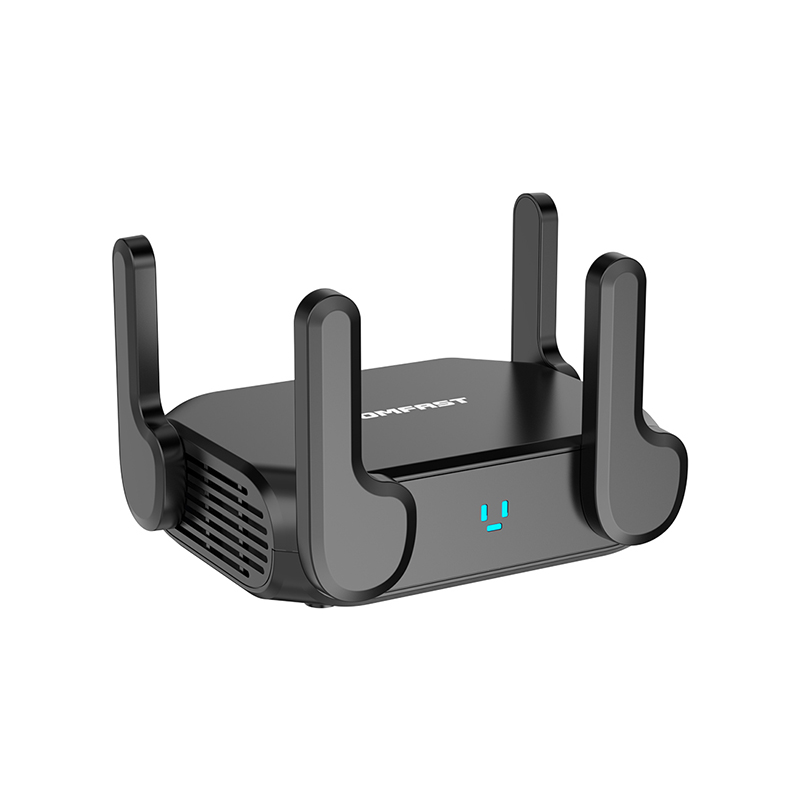
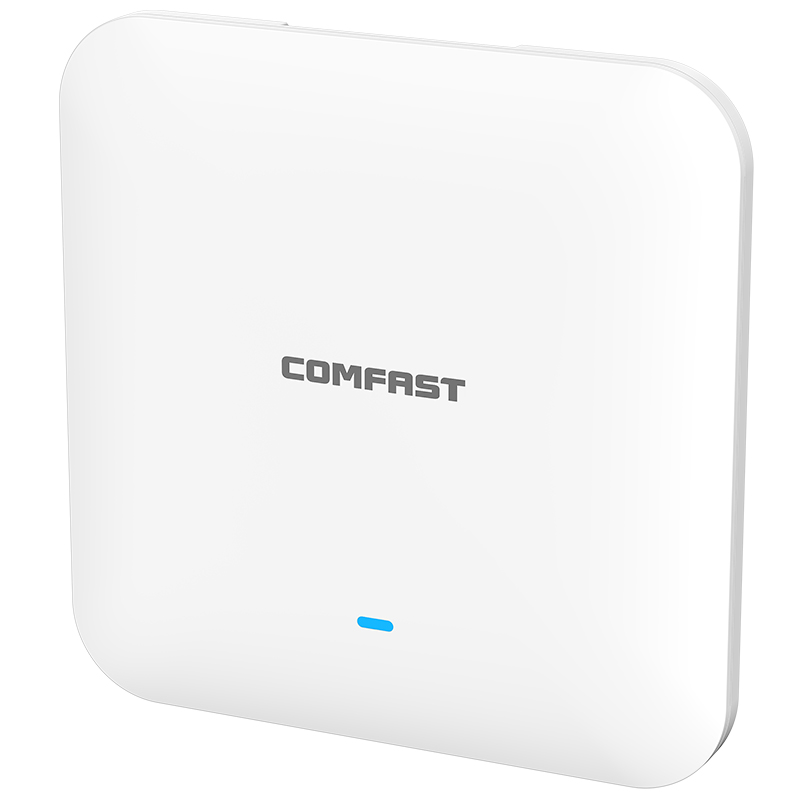
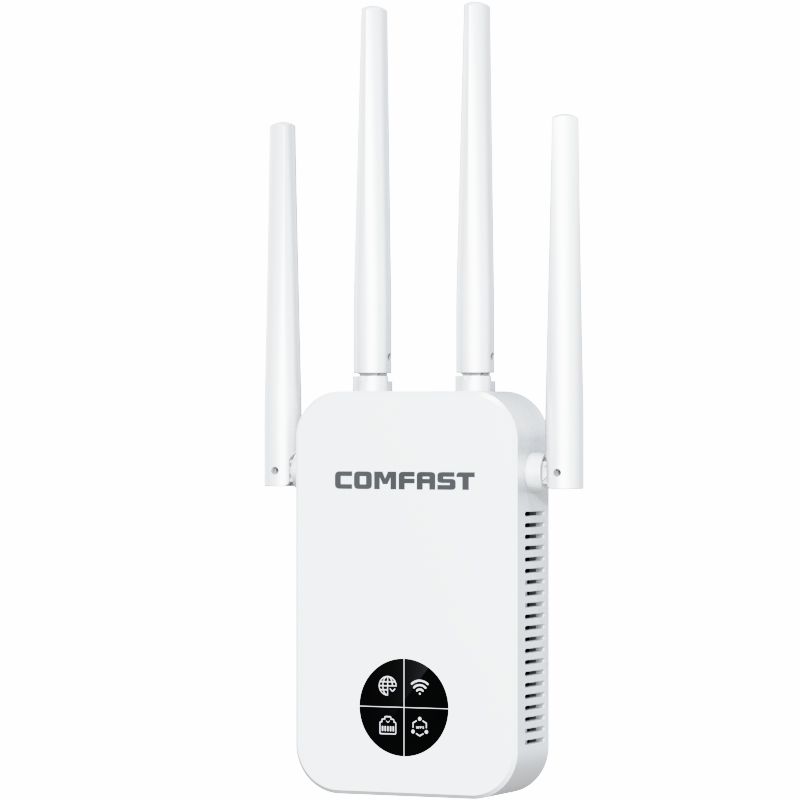
Our engineering team has used COMFAST equipment in many outdoor coverage and wireless transmission projects. From our field experience, COMFAST outdoor APs, wireless bridges, gigabit gateways, and PoE switches are practical for public outdoor environments because they support flexible deployment, centralized power, clean installation, and easier maintenance. For this Russian large park project, we selected COMFAST CF-WA937 WiFi 6 outdoor APs, CF-EW82 dual-band outdoor APs, CF-E319A V2 5.8G wireless bridges, CF-AC100 full gigabit core gateway, and CF-SG181P 8-port gigabit PoE switch.
This case study documents our Urban Public Coverage Solution for Northern Green Park, a large city park in Russia. The project covered the main entrance, visitor center, central plaza, lake walking path, wooded walking trail, children’s playground, sports court, open lawn, food kiosk area, seasonal event square, public rest areas, security booth, parking entrance, maintenance route, and remote CCTV camera points.
1. Project Overview
Basic Project Information
Project Name: Project Northern Green Park
Project Location: Moscow Region, Russia
Site Type: Large urban public park with open lawns, wooded paths, lake area, visitor facilities, sports zones, public service points, and remote CCTV monitoring points
Total Park Area: Approximately 94,000 square meters
Main Coverage Area: Approximately 46,000 square meters in the first deployment phase
Average Daily Visitors: Around 12,000 on weekdays and more than 28,000 on weekends and seasonal event days
Main Coverage Zones: Main entrance, visitor center, central plaza, lake path, wooded walking trail, playground, sports court, public rest areas, open lawn, food kiosk zone, seasonal event square, security booth, parking entrance, maintenance route, and remote CCTV points
Project Type: Urban Public Coverage Solution with public WiFi, staff network, kiosk network, CCTV wireless transmission, and management network separation
Project Cycle: Five weeks from survey to final acceptance
Construction Window: Early morning, weekday low-traffic periods, night maintenance windows, and weather-permitted installation slots to avoid disturbing visitors and park operations
The park management team wanted to improve public internet access, support mobile park services, stabilize kiosk payment systems, and improve public safety camera transmission. The old network depended mostly on indoor coverage from the visitor center and several temporary outdoor devices. It could not provide continuous coverage across the central plaza, lake path, wooded trail, playground, and remote camera locations.
2. Customer Pain Points Before the Project
Outdoor Public WiFi Was Not Continuous
Visitors could connect near the visitor center, but WiFi became weak near the lake path, playground, wooded trail, open lawn, and sports court. The old system created several isolated signal areas instead of continuous park coverage.
Central Plaza Was Overloaded During Events
The central plaza hosted weekend markets, outdoor performances, winter activities, and city events. During these periods, visitor devices increased sharply. The previous WiFi could not handle the number of phones, tablets, vendor devices, and staff terminals in the same area.
Trees, Snow, and Park Structures Affected Signal
The park had dense trees, metal benches, decorative fences, small buildings, kiosks, lamp posts, and seasonal snow buildup. These elements affected outdoor RF behavior. Some AP locations looked good on a map but did not work well in the real park environment.
Food Kiosks Needed More Stable Business Access
Food kiosks and small vendor points used payment terminals and staff tablets. Their network should not be affected by public visitor traffic during busy hours, especially during events and holiday weekends.
Remote CCTV Cameras Were Difficult to Cable
Several CCTV cameras were located near the lake path, wooded trail, parking entrance, and back maintenance route. Pulling new cable through frozen soil, park pathways, tree-root areas, and public zones would have created unnecessary construction impact. Wireless bridge transmission was the most practical solution.
Security Staff Had Unstable Access During Patrol
Security and maintenance teams used mobile devices for patrol reporting, incident response, and camera checks. They needed stable staff network access around the central plaza, lake path, playground, and parking entrance.
Public, Staff, Kiosk, CCTV, and Management Traffic Were Mixed
The previous network did not clearly separate visitor WiFi, park staff devices, kiosk payment devices, CCTV cameras, and management access. This made troubleshooting difficult and created unnecessary risk for public safety and business systems.
3. Customer Requirements
Confirmed Requirements from Park Management
Stable outdoor public WiFi around the main entrance, central plaza, visitor center exterior, lake path, playground, open lawn, sports court, food kiosk area, and public rest zones.
Better capacity for weekend events, winter activities, public markets, and seasonal visitor peaks.
Reliable staff network access for security, maintenance, visitor service, and park operations teams.
Stable kiosk network access for payment terminals, vendor tablets, and service devices.
Reliable CCTV wireless transmission for lake path cameras, wooded trail cameras, parking entrance cameras, and remote public safety monitoring points.
Public WiFi, staff network, kiosk network, CCTV network, and management network separated by policy.
Centralized PoE power supply for outdoor APs and wireless bridge devices.
Outdoor equipment suitable for rain, snow, dust, low temperature, wind, sun exposure, and long-term park use.
Clean installation that does not damage park landscape, tree roots, public walkways, or visitor safety routes.
Simple maintenance with clear device labels, port records, topology notes, and handover documentation.
4. COMFAST Equipment Used in This Project
The following are the main COMFAST equipment models used in this project and their usage descriptions.
| Equipment Modelis |
Type | Project Use | Reason for Use |
|---|---|---|---|
| CF-AC100 | Full gigabit core gateway | Network control, DHCP, public WiFi policy, staff network policy, kiosk network policy, CCTV network planning, and management access | Suitable as the park core gateway, separating visitor WiFi from staff devices, kiosk payment terminals, CCTV streams, and management systems |
| CF-SG181P | 8-port gigabit PoE switch | PoE power supply and wired data connection for outdoor APs, wireless bridges, kiosk network points, and remote CCTV devices | Centralized PoE deployment reduces scattered power adapters, keeps outdoor cabinets cleaner, and makes winter maintenance easier |
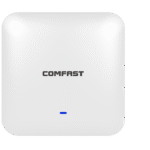
| CF-WA937 | Outdoor WiFi 6 AP | Main entrance, visitor center exterior, central plaza, event square, playground, sports court, open lawn, and high-density visitor gathering areas | Selected for main outdoor visitor zones that require stronger capacity, stable public WiFi, and reliable performance during weekends and seasonal events |
| CF-EW82 | Dual-band outdoor AP | Lake walking path, wooded trail, public rest areas, food kiosk surroundings, security booth, parking entrance, and maintenance route coverage | Used to extend outdoor coverage along curved paths, wooded areas, and medium-density park zones without overbuilding every location with high-capacity APs |
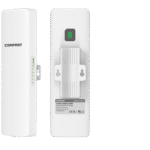
| CF-E319A V2 | 5.8G wireless bridge | CCTV wireless transmission for lake path cameras, wooded trail cameras, parking entrance cameras, back maintenance route cameras, and remote public safety monitoring points | Avoids trenching through frozen soil, tree-root areas, park pathways, lawns, and public zones while maintaining stable CCTV backhaul |
5. Project Equipment Configuration Quantity
Based on the approximately 94,000 square meter park area, 46,000 square meter first-phase coverage area, around 12,000 weekday visitors, more than 28,000 weekend and seasonal event visitors, central plaza event density, lake path and wooded trail coverage, food kiosk network access, parking entrance coverage, security booth access, remote CCTV backhaul, and winter maintenance requirements, the recommended equipment configuration for this project was as follows:
| Equipment Model | Quantity | Deployment Location |
|---|---|---|
| CF-AC100 | 1 unit | Park network equipment room, used as the full gigabit core gateway for public WiFi, staff network, kiosk network, CCTV network, and management access |
| CF-SG181P | 5 units | Visitor center cabinet, central plaza distribution point, lake path distribution point, parking entrance cabinet, and maintenance route weak-current box for PoE power supply, AP connection, bridge connection, uplink ports, and maintenance reserve |
| CF-WA937 | 14 units | Main entrance, visitor center exterior, central plaza, event square, playground, sports court, open lawn, food kiosk zone, and high-density visitor gathering areas |
| CF-EW82 | 10 units | Lake walking path, wooded trail, public rest areas, security booth, parking entrance, maintenance route, curved park paths, and medium-density outdoor coverage zones |
| CF-E319A V2 | 6 pairs | Lake path CCTV point, wooded trail CCTV point, parking entrance camera point, back maintenance route camera point, seasonal event monitoring point, and remote public safety monitoring location where direct cabling was not practical |
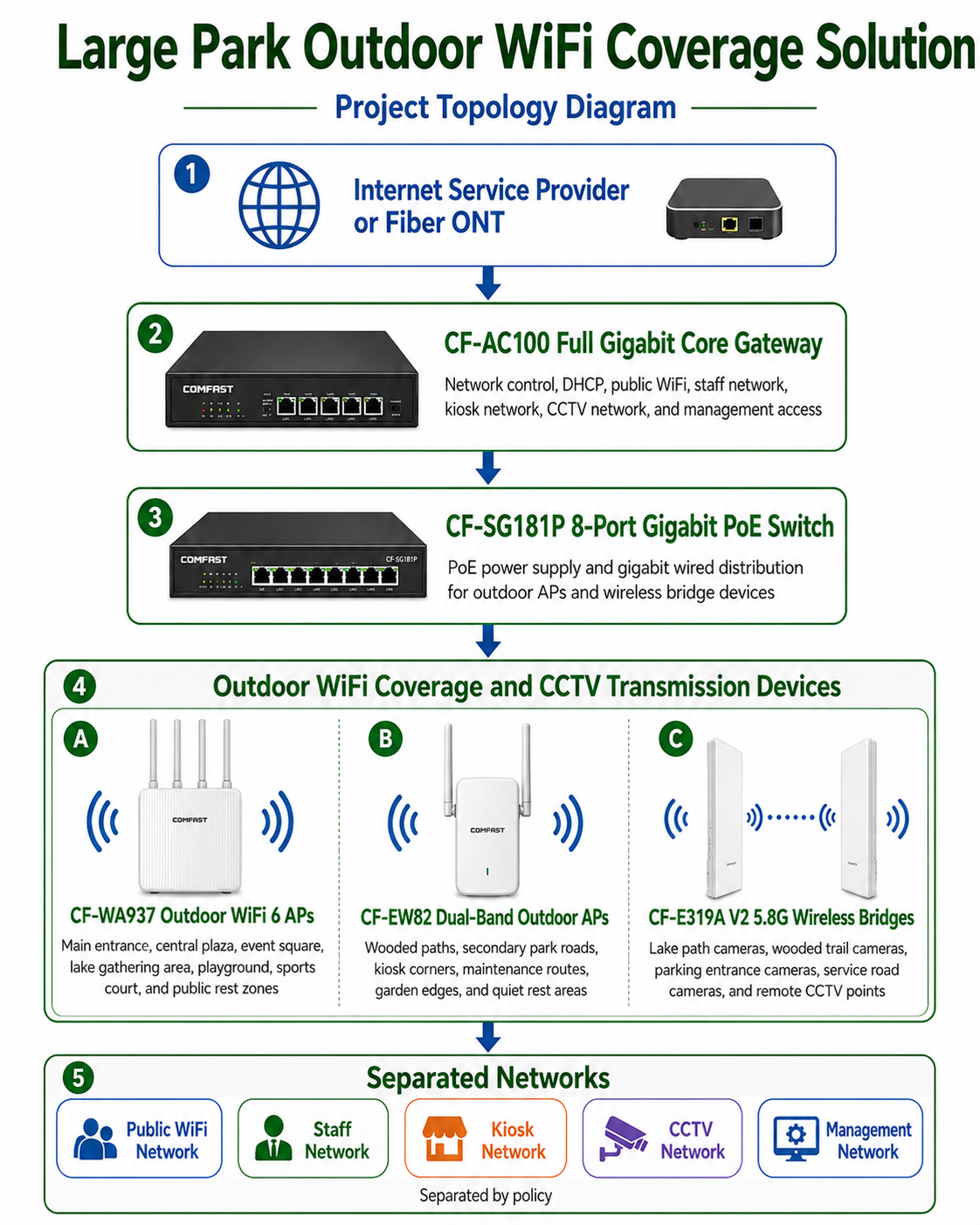
6. Project Topology Diagram
Overall Network Topology
7. Site Survey and Troubleshooting Process
Visitor Flow Survey
We walked the full project area with the park operations manager, IT supervisor, security supervisor, maintenance lead, and kiosk representative. We observed how visitors entered the park, gathered in the central plaza, walked around the lake, stayed near playgrounds, used sports courts, visited food kiosks, and moved toward parking areas.
Outdoor RF Testing
We tested signal strength, throughput, and coverage continuity at the entrance, central plaza, lake path, wooded trail, playground, sports court, food kiosk zone, open lawn, parking entrance, and maintenance route. The survey confirmed that APs had to be placed around real visitor dwell areas instead of only at available building corners.
Tree and Seasonal Obstruction Analysis
We reviewed tree density, winter snow buildup zones, lamp posts, metal fences, public benches, kiosk structures, and maintenance vehicle routes. In a Russian park, seasonal conditions matter. AP mounting height, cable protection, and bridge line of sight had to remain reliable through changing weather.
High-Density Event Area Review
The central plaza and event square were treated as high-density areas. We reviewed weekend event layout, temporary booth locations, sound system positions, public gathering zones, and emergency access routes before placing CF-WA937 APs.
Kiosk and Staff Device Testing
We tested kiosk payment terminals, staff tablets, patrol devices, maintenance phones, and security monitoring access. Kiosk and staff devices needed stable access independent from public WiFi congestion.
CCTV Wireless Bridge Path Survey
We inspected remote camera points along the lake path, wooded trail, parking entrance, back gate, service road, and quiet park corners. For each CF-E319A V2 bridge link, we checked line of sight, tree obstruction, pole height, winter visibility, cable route, PoE access, and weather exposure.
Equipment Cabinet and PoE Readiness Check
The main equipment cabinet had fiber access, but existing labels were incomplete. We prepared the CF-AC100 gateway location, installed the CF-SG181P PoE switch, checked grounding and cable routes, and created a clear port map for APs and wireless bridges.
8. Problems Found During Implementation
Visitor Center WiFi Could Not Cover the Full Park
The previous design relied too much on indoor coverage from the visitor center. This could not serve the open lawn, central plaza, lake path, wooded trail, and playground. We changed the design to a dedicated outdoor coverage system.
Event Crowds Required Capacity Planning
The network failed most often during events, not during normal weekday mornings. We placed CF-WA937 APs in areas where visitors gathered for longer periods and where device density was highest.
Wooded Paths Needed Continuity Coverage
The wooded walking path had trees, curved routes, benches, and lower user density. CF-EW82 APs were used to fill continuity gaps and provide practical coverage without overbuilding the entire area.
Remote Cameras Were Not Practical to Cable
Several CCTV points were too far from the main cabinet and would have required disruptive trenching through park paths and landscape areas. CF-E319A V2 wireless bridges provided stable transmission without damaging the park environment.
Kiosk Network Needed Isolation from Public WiFi
Payment terminals and vendor devices had to stay stable even when many public users connected to WiFi. We separated kiosk traffic from public WiFi through gateway policy.
Outdoor Installation Had to Handle Russian Weather
Cold weather, snow, ice, rain, and wind affected installation planning. We paid close attention to mounting strength, cable protection, water entry direction, maintenance access, and winter serviceability.
9. Final Engineering Solution
Core Gateway and Network Policy
We installed the CF-AC100 full gigabit core gateway as the main network control point. It managed DHCP, public WiFi, staff access, kiosk access, CCTV traffic, and management access. This created a clean and secure network structure for public park operations.
PoE Distribution
The CF-SG181P 8-port gigabit PoE switch powered outdoor APs and wireless bridge devices. Centralized PoE reduced local power adapters, simplified maintenance, and made device power management easier for the park IT team.
High-Traffic Outdoor WiFi Coverage
CF-WA937 outdoor WiFi 6 APs were installed in the main entrance, central plaza, event square, lake gathering area, playground, sports court, and public rest zones. These areas had more visitors and needed stronger public WiFi capacity.
Medium-Density and Continuity Coverage
CF-EW82 dual-band outdoor APs were installed around wooded paths, secondary park roads, kiosk corners, maintenance routes, garden edges, and quiet rest areas. This improved coverage continuity across the park without unnecessary overdeployment.
CCTV Wireless Transmission
CF-E319A V2 5.8G wireless bridges were used for remote CCTV backhaul. The bridge links connected cameras near the lake path, wooded trail, parking entrance, back gate, service road, and remote park corners.
10. Different Area Network Design
Main Entrance Coverage
The main entrance needed public WiFi for visitors and staff network access for service teams. CF-WA937 APs were used to support arrival areas, map checking, ticket information, and visitor guidance.
Central Plaza Coverage
The central plaza was the highest-density zone. CF-WA937 APs were positioned around gathering areas, stage viewing zones, public seating, and event booth areas.
Lake Path Coverage
The lake path required steady coverage for visitors walking, taking photos, using maps, and resting near the water. AP placement followed the curved path instead of simple straight-line distance planning.
Wooded Trail Coverage
The wooded trail used CF-EW82 APs for practical continuity coverage. We placed devices where tree obstruction was reduced and maintenance access remained possible during winter.
Children’s Playground Coverage
The playground had high family traffic and long dwell time. CF-WA937 APs provided stable access for parents using messaging, maps, video calls, and park service information.
Sports Court Coverage
The sports court required public WiFi and staff access for activity coordination. AP placement considered open space, metal fencing, and evening user density.
Food Kiosk Network
Food kiosks were connected to a separated kiosk network. Payment terminals and vendor tablets remained protected from public WiFi congestion.
Parking Entrance Coverage
The parking entrance required public access, staff devices, and camera monitoring. CF-EW82 APs and CF-E319A V2 bridge links were used according to the exact coverage and CCTV requirements.
Maintenance Route Coverage
The maintenance route supported staff movement and service vehicles. We provided staff network access and selected camera backhaul paths without disturbing normal park operation.
11. Outdoor AP Placement and Installation Details
Mounting Height and Direction
AP mounting height was selected based on visitor coverage, tree obstruction, snow clearance, cable protection, and maintenance access. We aimed APs toward actual user areas instead of empty lawns or service roads.
Weather Protection
Outdoor installation had to handle rain, snow, ice, wind, and low temperature. We used protected cable routing, drip loops, secure mounting, and service-friendly device positions.
Channel and Power Optimization
After installation, we tuned channels and transmit power. We did not set every AP to maximum power. Correct tuning improved roaming and reduced interference between open-area APs and path coverage APs.
PoE and Cable Labeling
Each AP and wireless bridge connection was labeled at the CF-SG181P switch side. The handover included a port map, AP location record, bridge alignment record, and network policy notes.
12. Wireless Bridge Transmission Design
Lake Path Camera Bridge
Lake path cameras were connected through CF-E319A V2 5.8G wireless bridges. We selected bridge paths that avoided tree obstruction and maintained stable visibility during seasonal changes.
Wooded Trail Camera Backhaul
Wooded trail cameras required careful bridge alignment because trees affected line of sight. We mounted bridge devices at practical heights and tested camera feed stability before final acceptance.
Parking Entrance Camera Transmission
The parking entrance camera was difficult to cable because it crossed vehicle lanes and pedestrian areas. CF-E319A V2 wireless bridge transmission provided stable video return without pavement work.
Back Gate and Service Road Camera Bridge
Back gate and service road cameras helped security teams monitor maintenance access and late-night movement. Wireless bridge links reduced cable construction in low-traffic but wide park zones.
Bridge Stability Testing
Each CF-E319A V2 bridge link was tested for video continuity, delay, and night monitoring quality. We verified camera feeds from the security room during daytime visitor flow and night patrol periods.
13. Network Segmentation and Security Design
Public WiFi Network
The public WiFi network provided internet access for park visitors. It was isolated from staff devices, kiosk payment systems, CCTV cameras, and management equipment.
Staff Network
The staff network supported park operations, maintenance teams, visitor service staff, and security patrol devices. It was separated from public visitor traffic.
Kiosk Network
The kiosk network supported payment terminals, vendor tablets, and small service devices. This network was protected from public WiFi congestion during events and weekends.
CCTV Network
The CCTV network carried camera traffic from local cameras and CF-E319A V2 wireless bridge links. Keeping camera traffic separate improved monitoring stability and troubleshooting clarity.
Management Network
The management network was reserved for gateway, PoE switch, outdoor AP, and wireless bridge maintenance. Access was limited to authorized IT and engineering staff.
14. What We Did Differently from Other Engineering Teams
We Did Not Treat the Park as One Open Field
A large park has very different zones: event plaza, lake path, wooded trail, playground, sports court, kiosk area, and parking entrance. We designed each zone according to visitor behavior and technical requirements.
We Tested During Real Visitor Activity
We did not accept the design based only on quiet weekday morning tests. We observed weekend traffic and event behavior to understand real density pressure.
We Protected Kiosk and Staff Networks from Public Traffic
Kiosk devices, staff tablets, and security systems were separated from public WiFi. This kept operational devices stable even when visitor traffic increased.
We Used Wireless Bridges Instead of Damaging Park Paths
For remote cameras, we used CF-E319A V2 wireless bridges instead of trenching through walking paths, tree-root areas, lawns, and frozen ground. This protected the park environment and reduced construction impact.
We Planned for Winter Maintenance
We selected mounting positions and cable routes that park technicians could service even during colder months. Device access and documentation were part of the design from the beginning.
We Delivered a Maintainable System
The customer received AP location records, bridge alignment notes, switch port labels, topology documentation, network segmentation notes, and troubleshooting guidance. The system was built for long-term park operations.
15. Project Acceptance Results
Final Acceptance Checklist
Main entrance public WiFi test passed.
Central plaza high-density coverage test passed.
Event square WiFi test passed.
Lake path coverage test passed.
Wooded trail continuity coverage test passed.
Playground WiFi test passed.
Sports court coverage test passed.
Food kiosk network test passed.
Parking entrance coverage test passed.
Lake path CCTV bridge test passed.
Wooded trail camera bridge test passed.
Back gate and service road camera transmission test passed.
Public WiFi, staff network, kiosk network, CCTV network, and management network isolation test passed.
Device labels, AP location map, bridge alignment records, port map, topology notes, and IT handover completed.
16. Customer and User Feedback
Park Operations Manager Feedback
The park operations manager said, “The public WiFi experience is much more stable in the plaza, playground, and lake area. The installation was clean and did not affect visitor movement.”
IT Supervisor Feedback
The IT supervisor said, “The port labels and bridge records are very useful. We can now manage APs, CCTV links, and network groups much more easily.”
Security Supervisor Feedback
The security supervisor confirmed that lake path cameras, wooded trail cameras, and back gate cameras became more stable after the CF-E319A V2 wireless bridge deployment.
Kiosk Operator Feedback
A kiosk operator said, “The payment terminal is more stable during weekends. It no longer feels affected by the number of visitors connected nearby.”
Maintenance Team Feedback
The maintenance team appreciated the clear labeling and service-friendly mounting locations, especially because outdoor devices must remain maintainable during winter months.
Visitor Feedback
Visitors reported smoother access to maps, messaging apps, photo uploads, and park information pages around the central plaza, lake path, playground, and event area.
17. Project Summary
Final Result
Project Northern Green Park was a successful Urban Public Coverage Solution for a large public park in Russia. The project solved uneven outdoor WiFi coverage, event-area congestion, weak wooded path connectivity, unstable kiosk network access, remote CCTV backhaul challenges, and unclear network separation.
The final COMFAST solution used the CF-AC100 full gigabit core gateway, CF-SG181P 8-port gigabit PoE switch, CF-WA937 outdoor WiFi 6 APs, CF-EW82 dual-band outdoor APs, and CF-E319A V2 5.8G wireless bridges. This combination provided public WiFi, staff access, kiosk network stability, CCTV wireless transmission, and centralized maintenance.
The key value of this project was not simply installing outdoor APs. The real value was designing a park network around visitor movement, event density, seasonal weather, wooded path conditions, kiosk operations, CCTV monitoring, and long-term maintenance.
18. Lessons Learned and Advice to Other Contractors
Lessons Learned
Large park WiFi must be designed around visitor movement, dwell time, and event density.
Open plazas and event squares need capacity planning, not only signal coverage.
Wooded paths require real RF testing because trees and seasonal conditions affect coverage.
Kiosk payment devices should be separated from public WiFi traffic.
Wireless bridges are effective for remote CCTV points where trenching would damage paths, lawns, or tree-root areas.
Outdoor AP installation in Russia must consider snow, wind, low temperature, cable protection, and winter maintenance access.
Public WiFi, staff network, kiosk network, CCTV network, and management network should be separated by policy.
Professional handover should include AP maps, bridge records, port labels, topology notes, and maintenance guidance.
Advice to Other WiFi Engineering Contractors
For large park WiFi projects, do not design only from a satellite map. Walk the entrance, plaza, lake path, wooded trail, playground, sports court, kiosk zone, parking entrance, and camera locations. The network must follow real visitor behavior and park operations.
Do not rely on maximum AP transmit power as a shortcut. In parks with trees, open lawns, water, snow, and curved paths, uncontrolled power can cause interference and poor roaming. Proper AP placement, channel planning, power tuning, and network segmentation matter more.
Do not trench every remote camera point before evaluating wireless bridge options. A properly aligned 5.8G bridge can reduce construction impact and protect public landscapes.
An Urban Public Coverage Solution for a large park is complete only when visitors connect smoothly, staff devices stay online, kiosk payments remain stable, CCTV cameras transmit reliably, and the park IT team can maintain the system confidently. That was the standard we delivered for Project Northern Green Park.