










Project Splash Harbor Full Coverage: Complete WiFi and CCTV Wireless Transmission Solution for a Water Park in Sanya, China
Contractor Team Introduction
We are a local WiFi engineering contractor with extensive experience in water park WiFi coverage, theme park networks, resort WiFi, scenic area WiFi, hotel pool WiFi, ticketing system networks, turnstile scanning networks, locker system networks, restaurant POS networks, outdoor public WiFi, CCTV wireless transmission, parking lot camera backhaul, PoE-powered deployment, high-humidity wireless installation, and multi-service network isolation projects.
A water park network is much more complex than a normal outdoor WiFi project. The environment includes high temperature, high humidity, water mist, guest crowds, wet walkways, metal facilities, large pools, long queue lines, restaurant POS devices, smart lockers, ticketing counters, turnstiles, staff dispatch devices, night events, and remote CCTV points. A professional design must consider guest movement, business system reliability, water-area safety, device protection, and long-term maintenance at the same time.
Our team has used COMFAST equipment in many outdoor public area, resort, scenic area, restaurant, hotel, and CCTV transmission projects. From our field experience, COMFAST gateways, PoE switches, WiFi 6 routers, ceiling APs, in-wall APs, outdoor APs, and long-distance wireless bridges provide a practical balance of stable coverage, centralized power, flexible deployment, and maintainable network operation. For this project, we selected COMFAST CF-AC600 full gigabit core gateway, CF-SG1241P 24-port gigabit PoE switch, CF-WR631AX V3 AX3000 WiFi 6 router, CF-E391AX WiFi 6 ceiling APs, CF-E390AX WiFi 6 ceiling APs, CF-E591AX WiFi 6 in-wall APs, CF-WA937 outdoor WiFi 6 APs, CF-WA933 outdoor WiFi 6 APs, and CF-E319A V3 long-distance wireless bridges.
This case study documents our Water Park Full Coverage Solution for Splash Harbor Water Park in Sanya, Hainan Province, China. The project covered the park main entrance, visitor center, ticketing hall, self-service ticket machines, turnstile scanning area, security check area, locker hall, changing rooms, shower areas, wave pool, lazy river, large water slide queue areas, parent-child water play area, children’s water fortress, poolside rest zones, shaded lounge areas, VIP lounge, food court, beverage kiosks, retail stores, medical aid station, staff offices, broadcasting control room, equipment rooms, water treatment area, security booths, parking entrance, park roads, boundary areas, night event area, temporary activity area, and remote CCTV camera points.
1. Project Overview
Project Name: Project Splash Harbor Full Coverage
Project Location: Sanya, Hainan Province, China
Site Type: Large outdoor water park with ticketing facilities, wave pool, lazy river, water slides, children’s play zones, food court, locker system, staff operation areas, parking facilities, and CCTV monitoring points
Total Park Area: Approximately 128,000 square meters
Indoor and Semi-Indoor Coverage Area: Approximately 26,000 square meters
Outdoor Coverage Area: Approximately 102,000 square meters
Normal Daily Visitor Volume: Around 5,500 visitors during regular operating days
Holiday Peak Visitor Volume: More than 16,000 visitors during summer weekends, public holidays, school vacations, and night events
Main Coverage Areas: Main entrance, visitor center, ticketing hall, turnstiles, security check, locker hall, changing rooms, wave pool, lazy river, slide queue areas, parent-child play area, children’s water fortress, poolside rest areas, shaded lounges, food court, beverage kiosks, retail stores, medical aid station, staff offices, broadcasting control room, equipment rooms, water treatment area, parking entrance, security booths, park roads, boundary areas, night event area, and remote CCTV points
Project Cycle: Seven weeks from site survey to final acceptance, completed through phased construction during off-peak operating windows, early-morning maintenance periods, night closure periods, and pre-approved safety inspection windows.
2. Customer Pain Points Before the Project
The entrance and ticketing area became congested during opening hours. Visitors arrived in short waves, while ticketing counters, self-service ticket machines, mobile QR code verification, staff tablets, and guest WiFi connections all competed for bandwidth. The original system slowed down exactly when the park needed fast guest entry.
Turnstile scanning was occasionally slow during morning peaks. The issue was not only wireless signal strength. The turnstile area had short-time high concurrent access, many mobile tickets, and multiple staff devices operating at the same time.
The smart locker system was unstable during peak changing times. Locker terminals, wristband readers, payment devices, and management tablets were previously too close to guest traffic, and network delay caused guest complaints during busy periods.
Changing rooms and shower areas had weak and uneven coverage. The high-humidity environment, partition walls, wet surfaces, and restricted installation points made standard indoor WiFi deployment ineffective.
The wave pool area had discontinuous WiFi. Guests stayed around the wave pool for a long time, especially near rest areas, shaded zones, and poolside gathering points. The old APs did not provide continuous coverage around the pool perimeter.
The lazy river had weak coverage at remote turns. Some river sections were far from equipment rooms, and landscape structures blocked signal. Staff communication and guest WiFi both suffered in those areas.
Large slide queue areas became high-density user zones. Guests waited in line for several minutes while using mobile phones, uploading photos, watching videos, and messaging. The old network had signal but not enough user capacity.
The parent-child water play area and children’s water fortress had heavy family traffic. Parents remained nearby for long periods, and many devices stayed connected at the same time. The customer needed better capacity and safer AP placement.
Food court POS terminals and beverage kiosk ordering devices were affected by guest WiFi load. Payment terminals, ordering tablets, kitchen printers, and merchant devices needed a separate and more reliable network.
Night events created temporary high-density demand. During summer night events, visitors gathered near the wave pool, stage area, food court, and temporary activity zones, causing congestion in areas that were acceptable during normal daytime traffic.
Parking lot cameras, boundary cameras, slide tower cameras, wave pool cameras, lazy river cameras, and night event cameras had unstable backhaul. Some camera points were difficult to cable because of pavement, water facilities, landscaping, and guest routes.
The previous weak current room and AP records were incomplete. Several APs, cameras, and switch ports were not labeled clearly, which made troubleshooting slow during operating hours.
3. Customer Requirements
Full indoor, semi-indoor, and outdoor WiFi coverage across guest-facing and operation areas.
High-concurrency guest WiFi support during summer holidays, weekends, opening peaks, and night events.
Stable ticketing, self-service ticket machine, turnstile, and access gate network.
Reliable smart locker and wristband system network in locker halls and changing areas.
Stable POS and merchant network for food court, beverage kiosks, retail stores, and temporary booths.
Outdoor WiFi coverage for wave pool, lazy river, slide queue areas, parent-child play areas, children’s water fortress, poolside rest areas, night event zones, parking entrance, park roads, and security booths.
CCTV wireless backhaul for hard-to-cable parking cameras, boundary cameras, slide tower cameras, wave pool cameras, lazy river cameras, night event cameras, and remote security points.
Guest WiFi, ticketing and turnstile network, POS and merchant network, locker and smart device network, staff office network, CCTV network, and management network separated by policy.
Centralized PoE power supply for ceiling APs, in-wall APs, outdoor APs, wireless bridges, and selected monitoring devices.
Safe equipment installation in high-temperature, high-humidity, water-mist, and splash-sensitive environments.
Clean installation that does not affect park appearance, visitor movement, water facility safety, emergency routes, or daily operations.
Clear handover documents, including AP location maps, topology diagram, bridge alignment records, switch port labels, network segmentation notes, and maintenance guidance.
4. COMFAST Equipment Used in This Project
The following are the main COMFAST equipment models used in this project and their usage descriptions.
| Equipment Modelis |
Type | Project Use | Reason for Use |
|---|---|---|---|
| CF-AC600 | Full gigabit core gateway | Network control, DHCP, guest WiFi, ticketing and turnstile network, POS and merchant network, locker and smart device network, staff office network, CCTV network, and management access | Suitable as the water park core gateway, separating guest traffic from ticketing, POS, locker systems, staff devices, CCTV streams, and management systems |
| CF-SG1241P | 24-port gigabit PoE switch | PoE power supply and gigabit distribution for ceiling APs, in-wall APs, outdoor APs, wireless bridges, and selected monitoring devices | Centralized PoE reduces local power adapters in guest-facing and wet-adjacent areas, making installation cleaner and maintenance safer |
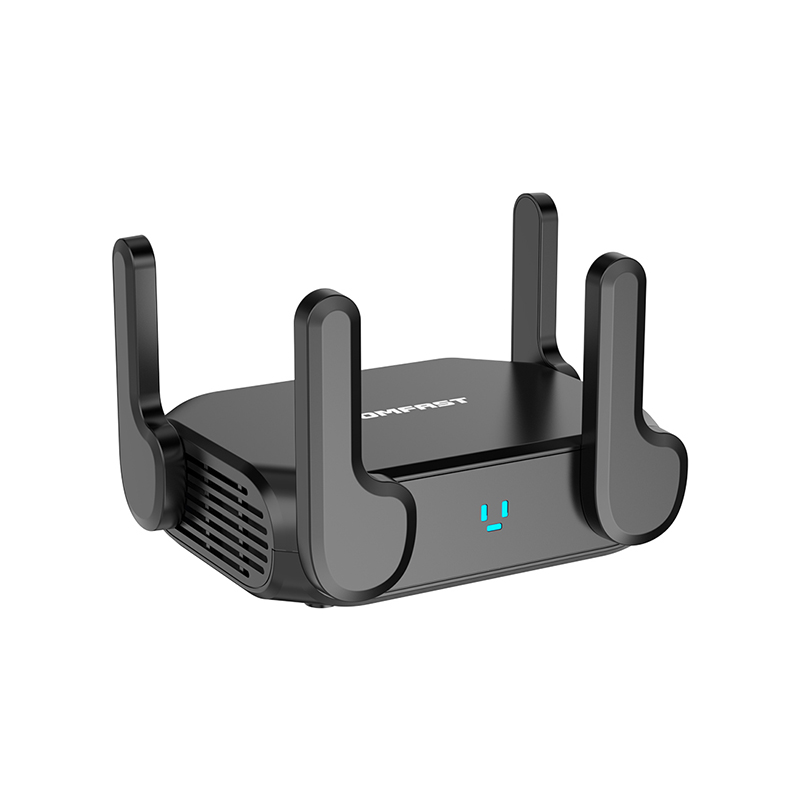
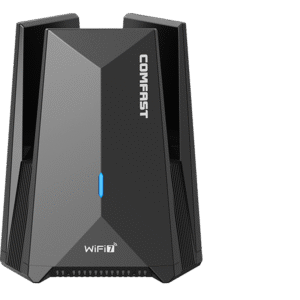
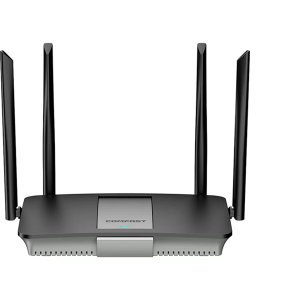
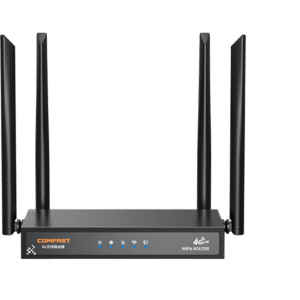
| CF-WR631AX V3 | AX3000 WiFi 6 router | Operations office, equipment room, broadcasting control room, temporary commissioning zone, emergency network support, and maintenance tool connectivity | Provides controlled WiFi 6 management access for IT staff and maintenance engineers without exposing business systems to guest WiFi |
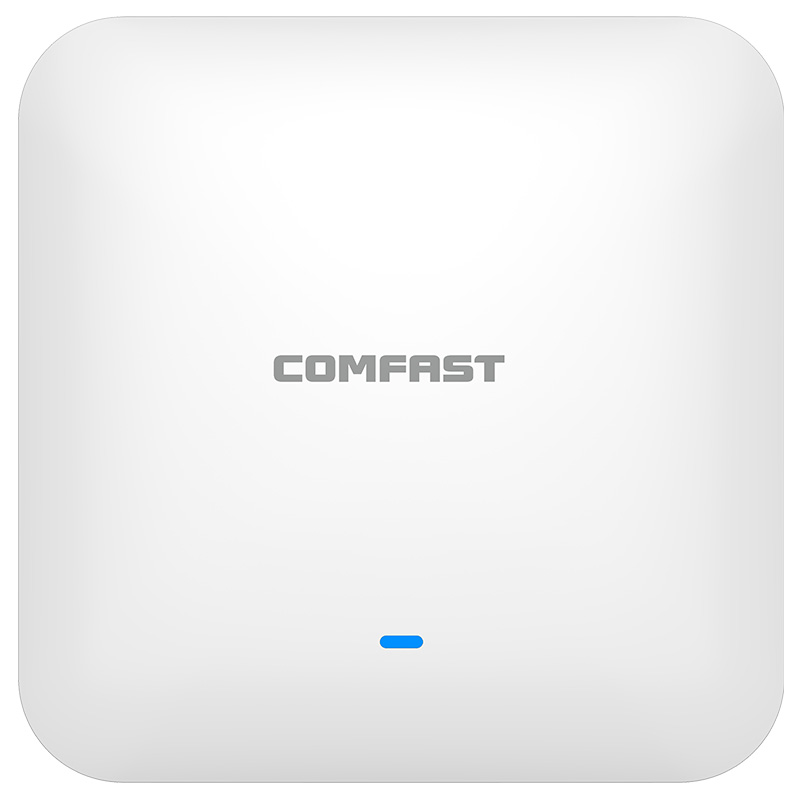
| CF-E391AX | WiFi 6 ceiling AP | Visitor center, ticketing hall, locker hall, food court, VIP lounge, staff office, broadcasting control room, and high-traffic indoor spaces | Selected for high-bandwidth indoor and semi-indoor areas with dense guest traffic, business terminals, and staff devices |
| CF-E390AX | WiFi 6 ceiling AP | Changing room entrances, public rest areas, medical aid station, retail stores, indoor corridors, and equipment office areas | Suitable for medium-density indoor areas, especially dry transition zones near high-humidity spaces where safe placement is important |
| CF-E591AX | WiFi 6 in-wall AP | Staff offices, small meeting rooms, control rooms, duty rooms, ticketing management rooms, medical duty rooms, and small functional spaces | Provides room-level coverage for separated functional rooms where ceiling AP coverage may not be reliable enough |
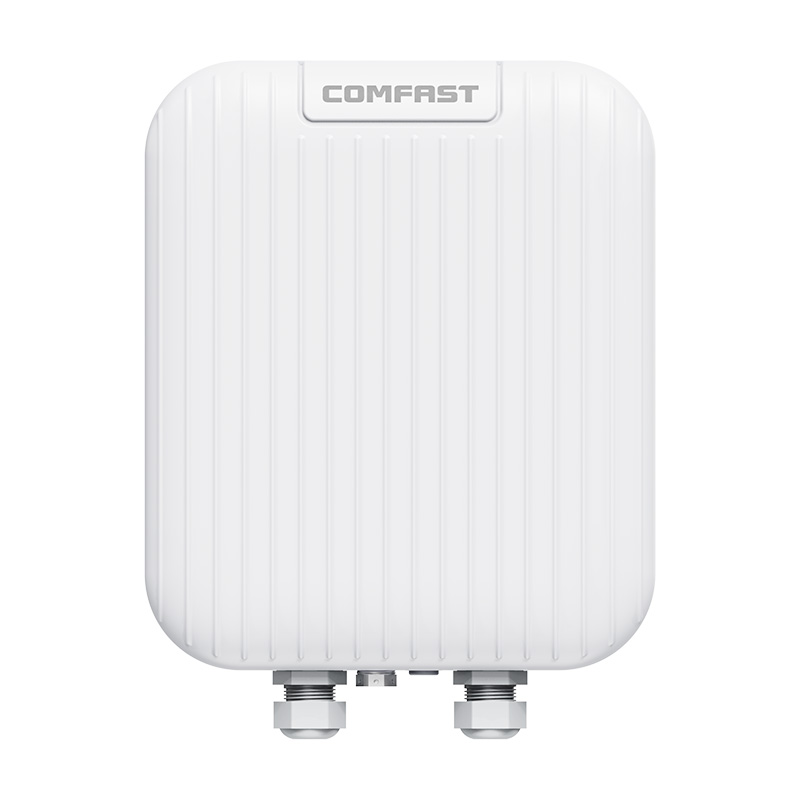
| CF-WA937 | Outdoor WiFi 6 AP | Main entrance, outer turnstile plaza, wave pool perimeter, lazy river route, large slide queue areas, parent-child play area, children’s water fortress, poolside rest zones, and guest gathering areas | Suitable for high-traffic outdoor guest zones that require stable capacity, safe placement, and continuous WiFi coverage around water facilities |
| CF-WA933 | Outdoor WiFi 6 AP | Parking entrance, security booth, park roads, night event area, temporary activity area, water treatment equipment area, logistics routes, and medium-density outdoor operation zones | Complements outdoor coverage in operation and support zones without overbuilding every medium-density area with higher-capacity APs |
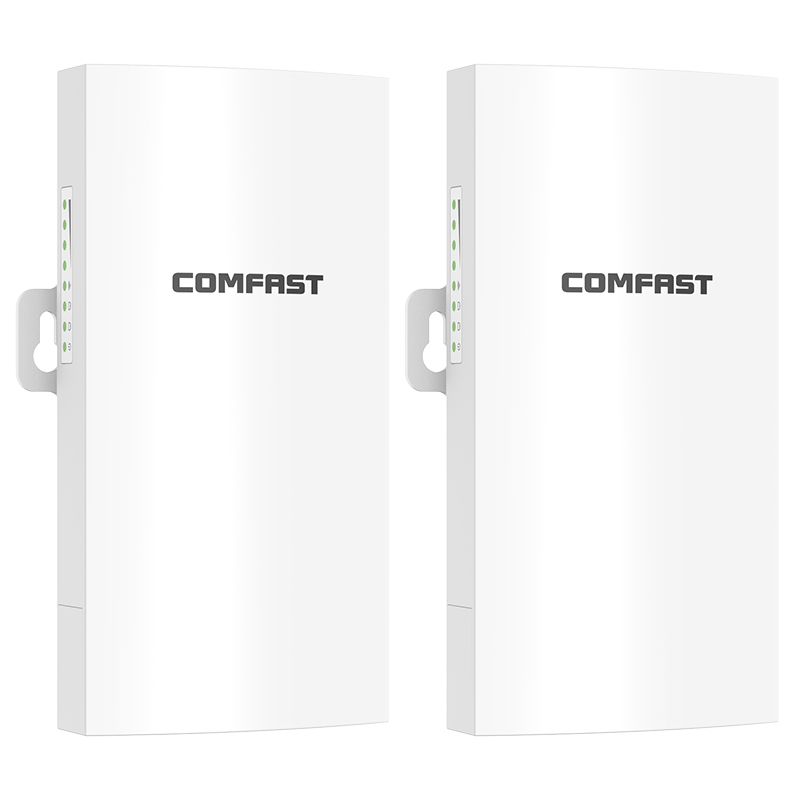
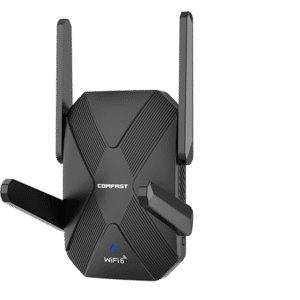
| CF-E319A V3 | Long-distance wireless bridge | 5.8G CCTV wireless backhaul for parking cameras, park boundary cameras, wave pool cameras, slide tower cameras, lazy river remote cameras, night event cameras, and hard-to-cable security points | Avoids trenching around water facilities, park roads, landscaped areas, and guest routes while maintaining stable CCTV transmission |
5. Project Equipment Configuration Quantity
Based on the approximately 128,000 square meter water park area, 26,000 square meter indoor and semi-indoor coverage area, 102,000 square meter outdoor coverage area, around 5,500 regular daily visitors, more than 16,000 holiday peak visitors, ticketing and turnstile concurrency, smart locker systems, food court POS, wave pool, lazy river, slide queue areas, children’s water play zones, night event areas, parking entrance, boundary monitoring, and remote CCTV points, the recommended equipment configuration for this project was as follows:
| Equipment Model | Quantity | Deployment Location |
|---|---|---|
| CF-AC600 | 1 unit | Main equipment room, used as the core gateway for guest WiFi, ticketing and turnstile network, POS and merchant network, locker and smart device network, staff office network, CCTV network, and management access |
| CF-SG1241P | 9 units | Main equipment room, visitor center, locker hall distribution point, food court distribution point, pool area distribution points, outdoor AP cabinets, parking entrance cabinet, night event distribution point, and boundary monitoring distribution points for PoE power, AP connection, bridge connection, uplink ports, and maintenance reserve |
| CF-WR631AX V3 | 3 units | Operations office, equipment room, and broadcasting control room for authorized management access, emergency support, temporary testing, and maintenance tool connectivity |
| CF-E391AX | 26 units | Visitor center, ticketing hall, locker hall, food court, VIP lounge, staff office, broadcasting control room, and other high-bandwidth indoor or semi-indoor guest service areas |
| CF-E390AX | 20 units | Changing room entrances, public rest areas, medical aid station, retail stores, indoor corridors, equipment office areas, and protected dry transition zones near high-humidity spaces |
| CF-E591AX | 16 units | Staff offices, small meeting rooms, control rooms, duty rooms, ticketing management rooms, medical duty rooms, broadcasting support rooms, and other room-level functional spaces |
| CF-WA937 | 32 units | Main entrance, outer turnstile plaza, wave pool perimeter, lazy river route, slide queue areas, parent-child play area, children’s water fortress, poolside rest areas, shaded lounges, and high-density outdoor guest gathering zones |
| CF-WA933 | 16 units | Parking entrance, security booth, park roads, night event area, temporary activity area, water treatment equipment area, logistics routes, park boundary areas, and medium-density outdoor operation zones |
| CF-E319A V3 | 10 pairs | Parking camera points, park boundary cameras, wave pool camera points, slide tower camera points, lazy river remote cameras, night event cameras, and hard-to-cable remote security monitoring locations |
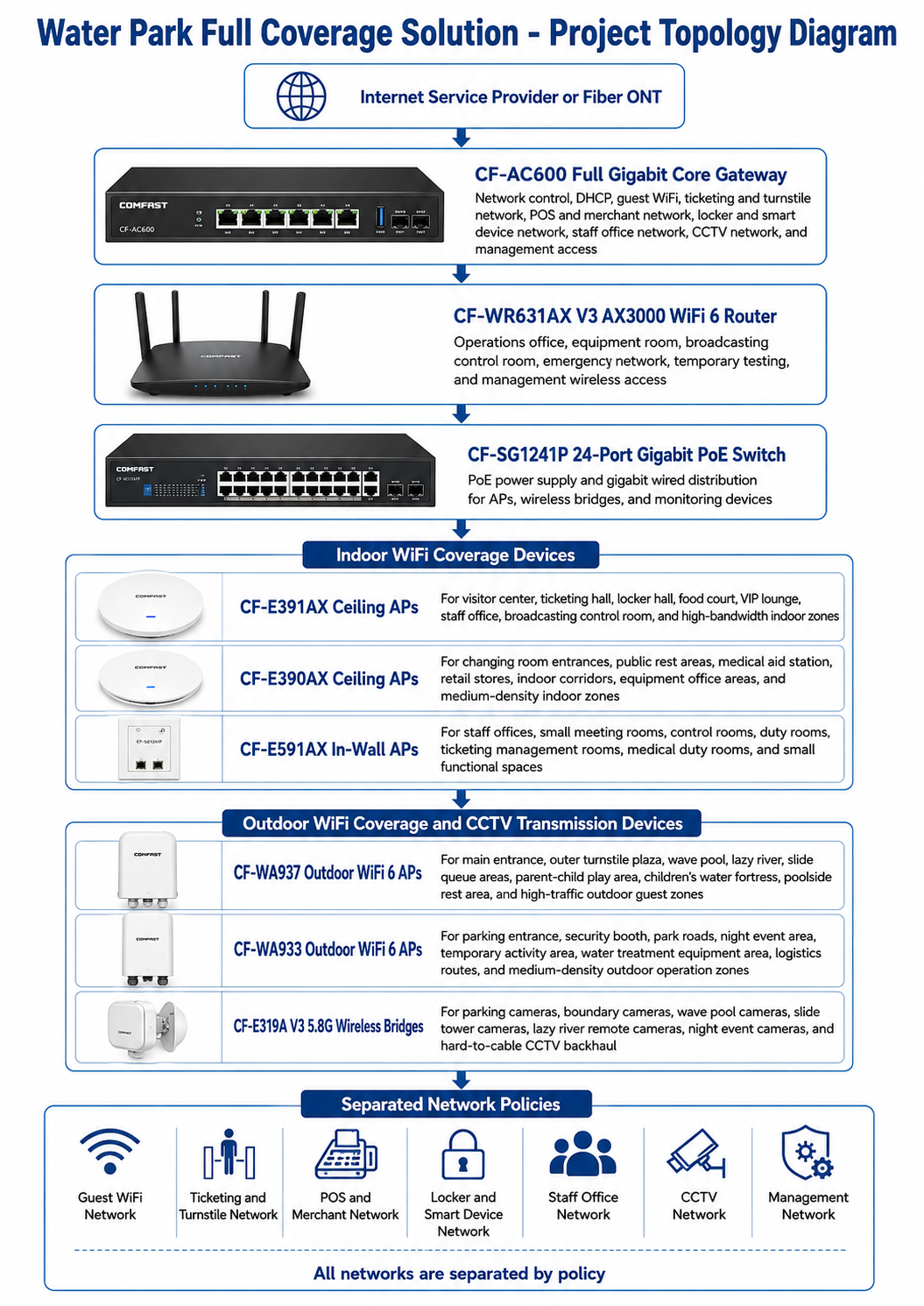
6. Project Topology Diagram
7. Site Survey and Troubleshooting Process
We started the project by walking the full water park with the general manager, operations manager, IT supervisor, ticketing manager, locker system manager, food court manager, security supervisor, lifeguard team leader, and maintenance team. We followed the guest journey from parking to entrance, ticketing, turnstiles, lockers, changing rooms, pools, slides, food court, retail stores, rest areas, and exit routes.
At the main entrance and ticketing hall, we tested staff terminals, self-service ticket machines, QR code verification, ticket printers, visitor WiFi connection load, and mobile payment devices. We confirmed that opening-time congestion was caused by short-time high concurrent access, not simply weak signal.
At the turnstile area, we tested scanning speed, access gate device response, handheld staff devices, and WiFi performance during simulated entry peaks. The turnstile network needed to be isolated from public guest traffic.
In the locker hall, we tested locker terminals, wristband readers, payment devices, staff tablets, and management terminals. We also checked signal behavior around metal locker rows, dense guest movement, and wet floor areas.
In changing rooms and shower areas, we inspected humidity, ventilation, wall partitions, ceiling structure, safe cable routes, and maintenance access. We avoided AP positions exposed to direct water vapor, splash, and poor ventilation.
Around the wave pool, we checked guest gathering locations, rest zones, shaded seating, poolside walking paths, equipment structures, and camera positions. AP locations were selected to cover guest dwell zones while maintaining safe distance from water and avoiding direct water mist.
Along the lazy river, we tested RF behavior through curved paths, landscape screens, bridge sections, remote turns, and staff access points. The lazy river required outdoor AP planning along the route, not only coverage from one side.
At large slide queue areas, we observed waiting lines and user behavior. Guests stayed in these areas for several minutes, and most users had phones active. We designed these as high-density outdoor zones.
In the parent-child water play area and children’s water fortress, we observed family user density, parent waiting zones, safety staff locations, and water spray direction. AP placement had to balance coverage, safety, and device protection.
In the food court, beverage kiosks, and retail stores, we tested POS terminals, ordering tablets, receipt printers, handheld ordering devices, and mobile payment performance. POS traffic was separated from guest WiFi to protect transaction reliability.
In the night event area and temporary activity zones, we reviewed stage positions, crowd areas, temporary booths, power routes, camera positions, and WiFi coverage demand. These areas required reserved capacity for temporary peak events.
For CCTV wireless transmission, we checked parking cameras, boundary cameras, wave pool cameras, slide tower cameras, lazy river remote cameras, night event cameras, and remote security points. For each CF-E319A V3 bridge link, we confirmed line of sight, mounting height, obstruction, waterproof cable direction, power source, and long-term serviceability.
8. Problems Found During Implementation
The original router and wireless layout could not support holiday peak traffic. The old system worked on ordinary weekdays but became unstable when the park reached summer and weekend capacity.
The entrance and turnstile areas were not only weak signal zones. They were short-time high-access zones. Many guests connected, scanned tickets, opened apps, and used mobile payment at the same time. We separated ticketing and turnstile traffic and improved capacity around the entry path.
The locker hall had metal obstruction and dense device activity. Smart lockers, wristband terminals, staff tablets, and guests were all concentrated in the same space. We assigned locker systems to a dedicated network and installed APs based on locker row layout.
Changing rooms and shower areas required humidity-aware installation. We avoided direct water vapor, splash zones, and high-risk cable paths. APs were positioned near entrances, dry corridors, and protected serviceable areas.
Wave pool and lazy river areas required outdoor APs with careful placement. Indoor AP leakage and random temporary APs could not provide stable coverage in long, curved, water-heavy areas.
Slide queue areas and parent-child water play zones required density planning. These were not just pass-through areas. Guests stayed for long periods, creating concentrated wireless demand.
Food court POS, ticketing terminals, locker systems, staff devices, and CCTV cameras could not share the same network policy as guest WiFi. Business and safety systems needed stable and separated network access.
Night event zones required reserved temporary capacity. The event network load was different from normal daytime traffic, so we added coverage planning for activity areas and food booth zones.
Remote cameras were not practical to cable. Parking, boundary, lazy river, and slide tower camera points would have required difficult construction near guest routes, water facilities, and landscaped areas. CF-E319A V3 wireless bridges reduced construction impact and improved CCTV transmission stability.
9. Final Engineering Solution
The CF-AC600 was deployed as the core gateway for network control, DHCP, guest WiFi, ticketing and turnstile traffic, POS and merchant access, locker and smart device traffic, staff office traffic, CCTV traffic, and management access. This gave the water park a structured network foundation instead of one flat wireless environment.
The CF-WR631AX V3 was installed in the operations office, equipment room, and broadcasting control room. It provided authorized management wireless access, emergency network support, temporary testing, and maintenance tool connectivity.
The CF-SG1241P 24-port gigabit PoE switch provided centralized PoE power and wired distribution for APs, outdoor APs, wireless bridges, and selected monitoring devices. Centralized PoE reduced local power adapters and made maintenance safer and cleaner.
CF-E391AX ceiling APs were installed in high-bandwidth indoor zones such as the visitor center, ticketing hall, locker hall, food court, VIP lounge, staff office, and broadcasting control room.
CF-E390AX ceiling APs were installed in medium-density indoor zones such as changing room entrances, public rest areas, medical aid station, retail stores, indoor corridors, and equipment office areas.
CF-E591AX in-wall APs were installed in staff offices, small meeting rooms, control rooms, duty rooms, ticketing management rooms, medical duty rooms, and small functional rooms where room-level coverage was needed.
CF-WA937 outdoor APs were installed in high-traffic guest zones such as the main entrance, outer turnstile plaza, wave pool, lazy river, slide queue areas, parent-child play area, children’s water fortress, and poolside rest area.
CF-WA933 outdoor APs were installed in operational and medium-density outdoor zones, including parking entrance, security booth, park roads, night event area, temporary activity area, water treatment equipment area, logistics routes, and support spaces.
CF-E319A V3 wireless bridges were installed for CCTV backhaul at parking cameras, boundary cameras, wave pool cameras, slide tower cameras, lazy river remote cameras, night event cameras, and hard-to-cable remote security points.
10. Different Area Network Design
Main Entrance and Visitor Center Coverage: The main entrance used CF-WA937 outdoor APs for arrival and gathering areas, while the visitor center used CF-E391AX ceiling APs for indoor registration and service areas.
Ticketing Hall Network: Ticketing counters, self-service ticket machines, staff terminals, and payment devices were placed on the ticketing and turnstile network. This protected business operations from guest WiFi load.
Turnstile and Access Gate Network: Turnstile scanners, QR code readers, wristband verification devices, and handheld staff terminals used controlled access policies to improve entry speed during morning peaks.
Security Check Area Coverage: The security check area required staff network access, visitor coordination, and monitoring support. AP placement avoided crowd bottlenecks and metal inspection equipment interference.
Locker Hall Network: The locker hall used CF-E391AX APs and a dedicated locker and smart device network for smart lockers, wristband readers, payment terminals, and staff management tablets.
Changing Room and Shower Area Coverage: The changing and shower areas used CF-E390AX APs placed near protected entrances and dry transition zones. Direct steam and splash locations were avoided.
Wave Pool Area Coverage: The wave pool perimeter used CF-WA937 APs positioned toward shaded rest zones, walking paths, and gathering areas. APs were mounted away from water mist direction and guest touch zones.
Lazy River Coverage: The lazy river required several CF-WA937 APs along the route. Coverage was planned around curved sections, staff access points, landscape screens, and remote guest rest points.
Large Water Slide Queue Area Coverage: Slide queue areas were planned as high-density waiting zones. CF-WA937 APs provided stable outdoor coverage for guests waiting in line and staff managing queue operations.
Parent-Child Water Play Area Coverage: This zone had high family user density and long dwell time. AP placement considered parent seating zones, child activity areas, and water spray direction.
Children’s Water Fortress Coverage: The children’s water fortress required stable WiFi for nearby parents and staff devices. APs were positioned at safe distances from splash-heavy structures.
Poolside Rest Area Coverage: Poolside rest areas were treated as guest dwell zones. CF-WA937 APs covered lounge chairs, rest paths, umbrella seating, and staff service points.
Shaded Lounge Area Coverage: Shaded lounge areas had concentrated mobile usage. AP direction and power were adjusted to cover seating while reducing unnecessary overlap with pool zones.
VIP Lounge Coverage: VIP lounge areas used CF-E391AX and CF-E591AX devices depending on room layout. Guest WiFi and staff service devices were separated by policy.
Food Court POS Network: Food court POS terminals, ordering tablets, kitchen printers, and payment devices used the POS and merchant network, separated from guest WiFi.
Beverage Kiosk Network: Beverage kiosks used merchant POS access with outdoor coverage support. Temporary kiosks in event zones were also considered during the final design.
Retail Store Network: Retail shops used CF-E390AX APs for indoor coverage and POS network access. Payment traffic remained separated from guest public WiFi.
Medical Aid Station Coverage: The medical aid station used CF-E390AX coverage and controlled staff network access for emergency communication and service devices.
Staff Office and Control Room Network: Staff offices, duty rooms, and control rooms used CF-E591AX in-wall APs and management network access for operation devices and staff tools.
Broadcasting Control Room Network: The broadcasting control room used CF-WR631AX V3 management wireless access and controlled wired connections for announcement systems and emergency coordination.
Equipment Room and Water Treatment Area Network: Equipment offices and water treatment support zones used CF-WA933 and selected indoor APs for maintenance staff access while remaining separated from guest traffic.
Security Booth Coverage: Security booths used CF-WA933 outdoor APs and controlled access to CCTV and staff networks.
Parking Entrance Coverage: The parking entrance used CF-WA933 APs and CF-E319A V3 bridge links to support staff devices, visitor coordination, and camera backhaul.
Park Road Coverage: Park roads used CF-WA933 APs to support operations staff, patrol teams, maintenance devices, and outdoor service communication.
Night Event Area Coverage: Night event areas used CF-WA933 and CF-WA937 AP planning to support temporary crowds, food booths, staff coordination, and guest WiFi demand.
Temporary Activity Area Coverage: Temporary activity areas were designed with reserved coverage and network flexibility for seasonal events, pop-up shops, and temporary CCTV points.
Park Boundary Coverage: Park boundary areas used CF-WA933 APs and CF-E319A V3 bridge links to support security patrol and remote monitoring.
Remote CCTV Wireless Bridge Backhaul: CF-E319A V3 wireless bridges connected hard-to-cable camera points without trenching around water facilities, park roads, guest paths, and landscaped areas.
11. Indoor and Outdoor AP Installation Details
Indoor APs were installed according to ceiling height, guest movement, ticketing layout, locker hall structure, changing room partitions, food court seating, retail shop layout, and maintenance access. In guest-facing indoor spaces, APs had to be visually clean and serviceable.
In high-humidity areas, we avoided direct steam, splash, wet corners, and poorly ventilated positions. Cable routes were protected, and AP locations were selected for safer maintenance access.
Outdoor APs were mounted according to real guest dwell zones, water facility layout, queue lines, pool perimeter, staff paths, and safety boundaries. We avoided placing devices where guests could easily touch them or where water spray directly hit the installation point.
For wave pool, lazy river, and children’s water areas, AP direction and mounting height were carefully adjusted. Coverage had to reach guest rest areas and queue zones without creating unnecessary overlap or interference.
For night event and temporary activity zones, we reserved mounting positions and network capacity for seasonal booths, temporary cameras, and event operation devices.
After installation, we tuned channels and transmit power. We did not set every AP to maximum power because a high-density water park requires controlled overlap, reduced interference, and stable roaming.
Every AP, wireless bridge, and important switch port was labeled. We cleaned weak current areas, updated port records, documented bridge directions, and delivered maintenance notes to the park IT team.
12. Wireless Bridge Transmission Design
Parking lot cameras used CF-E319A V3 wireless bridges to avoid trenching across parking surfaces and entrance lanes. The link was tested during opening and closing traffic periods.
Park boundary cameras were connected through bridge links where long cable routes would have crossed landscaped areas or service paths. This improved CCTV coverage without damaging the park environment.
Wave pool cameras used wireless bridge backhaul where wired routing around pool structures was not practical. Camera video continuity was verified from the monitoring room.
Slide tower cameras required careful bridge alignment because of height, structure, and safety restrictions. CF-E319A V3 bridges provided stable video transmission without complex cabling around the slide structure.
Lazy river remote cameras used bridge links to avoid long cable runs along curved water routes and landscaped sections. We checked line of sight and possible obstruction from trees, shade structures, and bridges.
Night event cameras used reserved bridge backhaul points to support temporary monitoring during summer events, performances, and crowd-control operations.
Each bridge link was tested for video continuity, delay, night image stability, alignment reliability, and monitoring room display quality.
13. Network Segmentation and Security Design
Guest WiFi Network: The guest WiFi network served visitors in the entrance area, pools, rest areas, lazy river, food court, and public zones. It was isolated from business systems and CCTV traffic.
Ticketing and Turnstile Network: Ticketing counters, self-service ticket machines, access gates, QR code readers, and staff terminals used a dedicated network to protect entry operations during peak hours.
POS and Merchant Network: Food court POS, beverage kiosk devices, retail payment terminals, ordering tablets, and kitchen printers were placed on a separated merchant network.
Locker and Smart Device Network: Smart locker terminals, wristband readers, locker payment devices, and related control terminals used a dedicated network to prevent guest WiFi load from affecting locker access.
Staff Office Network: The staff office network supported operations, lifeguard coordination, medical aid, broadcasting, maintenance teams, and park management users.
CCTV Network: The CCTV network carried video traffic from wired cameras and CF-E319A V3 bridge links. Keeping camera traffic separate improved monitoring stability and simplified troubleshooting.
Management Network: The management network was reserved for the core gateway, router, PoE switch, APs, wireless bridges, and authorized maintenance devices. Access was limited to the water park IT team and approved engineering staff.
14. What We Did Differently from Other Engineering Teams
We did not simply extend visitor center WiFi toward the pools. A water park needs separate planning for ticketing, turnstiles, lockers, food court POS, guest WiFi, staff operations, CCTV, and management access.
We did not judge the design only by signal bars. We tested guest movement, entry concurrency, locker usage, slide queue density, poolside dwell time, POS reliability, and CCTV backhaul stability.
We treated high temperature, humidity, water mist, and splash risk as engineering factors. APs were not installed in unsafe or hard-to-maintain wet positions.
We did not mix guest WiFi, ticketing, turnstiles, POS, lockers, staff devices, CCTV, and management equipment into one flat network. Each business-critical service was protected by network separation.
We did not solve every outdoor problem by increasing transmit power. We adjusted AP location, direction, channel, power, and roaming behavior to reduce interference and improve real guest experience.
We used CF-E319A V3 wireless bridges where cabling would have affected water facilities, park roads, landscaped areas, guest paths, and safety controls.
We did not interrupt daily operations. Construction was completed by zone during approved low-traffic windows, maintenance periods, and after-hours work slots.
We did not leave a messy weak current environment behind. The customer received AP maps, switch port labels, bridge alignment records, topology notes, and maintenance guidance.
15. Project Acceptance Results
Main entrance WiFi test passed.
Visitor center coverage test passed.
Ticketing system network test passed.
Self-service ticket machine network test passed.
Turnstile QR code scanning test passed.
Security check area coverage test passed.
Locker system network test passed.
Changing room and shower area coverage test passed.
Wave pool perimeter WiFi test passed.
Lazy river route WiFi test passed.
Large water slide queue high-density test passed.
Parent-child water play area concurrency test passed.
Children’s water fortress coverage test passed.
Poolside rest area coverage test passed.
Food court POS transaction test passed.
Beverage kiosk network test passed.
Retail store network test passed.
Medical aid station network test passed.
Broadcasting control room network test passed.
Night event area WiFi test passed.
Parking entrance WiFi and CCTV test passed.
CF-E319A V3 wireless bridge CCTV backhaul test passed.
Guest WiFi, ticketing and turnstile, POS and merchant, locker and smart device, staff office, CCTV, and management network isolation test passed.
Device labels, AP map, bridge alignment records, switch port map, topology diagram, and IT handover completed.
16. Customer and User Feedback
Water Park General Manager Feedback: “The new network gives us stable guest WiFi and more reliable operation systems. The entrance, lockers, food court, pools, and CCTV monitoring are now much easier to manage.”
Operations Manager Feedback: “The system performs better during opening peaks and night events. Staff communication and visitor network experience both improved.”
IT Supervisor Feedback: “The AP labels, port records, topology map, and separated networks make maintenance much easier. We can now identify each AP and bridge link quickly.”
Ticketing Manager Feedback: “Turnstile QR code scanning became faster and more stable during morning entry periods.”
Locker System Manager Feedback: “Locker terminals and wristband readers are more stable now. Guest complaints during changing peak hours have dropped.”
Food Court Manager Feedback: “POS transactions are much more reliable, especially during lunch peaks and night events.”
Security Supervisor Feedback: “Camera feeds from the parking lot, boundary, wave pool, lazy river, and slide tower became more stable after the wireless bridge upgrade.”
Lifeguard Team Leader Feedback: “Staff communication around the wave pool, lazy river, and children’s water area is more reliable now.”
Family Visitor Feedback: A family visitor reported smoother WiFi around the children’s water fortress, shaded lounge area, and food court compared with previous visits.
Maintenance Technician Feedback: The maintenance team appreciated the safer installation positions, clearer labels, and easier access to APs and bridges during routine inspection.
17. Project Summary
Project Splash Harbor Full Coverage was a successful Water Park Full Coverage Solution in Sanya, China. The project solved entrance and ticketing congestion, slow turnstile scanning, locker system instability, weak changing room coverage, discontinuous wave pool WiFi, lazy river blind spots, slide queue congestion, parent-child play area density, food court POS instability, night event network pressure, remote CCTV backhaul issues, and incomplete network documentation.
The final COMFAST solution used the CF-AC600 full gigabit core gateway, CF-SG1241P 24-port gigabit PoE switch, CF-WR631AX V3 AX3000 WiFi 6 router, CF-E391AX ceiling APs, CF-E390AX ceiling APs, CF-E591AX in-wall APs, CF-WA937 outdoor APs, CF-WA933 outdoor APs, and CF-E319A V3 wireless bridges. This combination supported guest WiFi, ticketing and turnstile systems, POS and merchant terminals, smart lockers, staff office access, CCTV wireless backhaul, outdoor pool coverage, night event coverage, and centralized maintenance.
The key value of this project was not simply adding more APs. The real value was designing a water park network around guest flow, opening-time concurrency, locker system stability, wet-area installation safety, poolside dwell time, slide queue density, business system isolation, CCTV transmission, night event capacity, and long-term maintainability.
18. Lessons Learned and Advice to Other Contractors
Water park WiFi must be designed around guest movement and dwell time, not only coverage distance.
Entrance and turnstile areas require concurrency planning because many guests scan, connect, and pay within a short period.
Locker systems, wristband readers, ticketing devices, and POS terminals must be separated from guest WiFi.
Changing rooms, shower areas, and poolside areas require humidity-aware installation and safe cable routing.
Wave pool, lazy river, slide queue, and children’s play areas must be designed based on real guest concentration and waiting behavior.
Night event areas need reserved network capacity and temporary CCTV planning.
Outdoor AP placement must consider water mist, safety distance, guest touch risk, shade structures, and maintenance access.
Wireless bridges are effective for CCTV points where cabling would affect pools, park roads, landscaping, and guest routes.
Professional handover must include AP maps, bridge records, switch port labels, topology notes, network segmentation notes, and maintenance guidance.
For water park projects, do not design only from a map. Walk the entrance, ticketing area, turnstiles, lockers, changing rooms, wave pool, lazy river, slide queue, children’s area, food court, parking entrance, and CCTV points. The network must follow how guests, staff, merchants, lifeguards, and security teams actually use the park.
Do not treat water park outdoor WiFi like a normal courtyard installation. High temperature, humidity, water mist, splash zones, guest touch risk, metal water facilities, and safety boundaries all affect device placement and long-term stability.
Do not solve every weak signal issue by increasing AP power. In a high-density park, excessive power creates interference, sticky clients, and unstable roaming. Correct AP placement, channel planning, power tuning, and network segmentation are more important.
A Water Park Full Coverage Solution is complete only when visitors connect smoothly, turnstiles scan quickly, lockers work reliably, POS transactions stay stable, poolside areas have continuous coverage, night events remain connected, CCTV cameras transmit clearly, and the park IT team can maintain the system confidently. That was the standard we delivered for Project Splash Harbor Full Coverage.