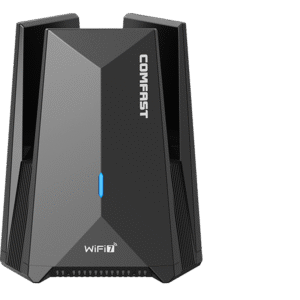
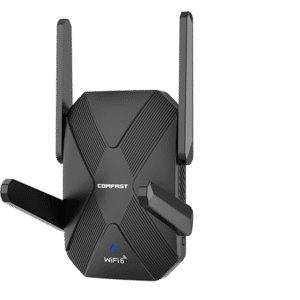
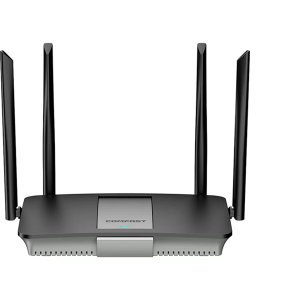
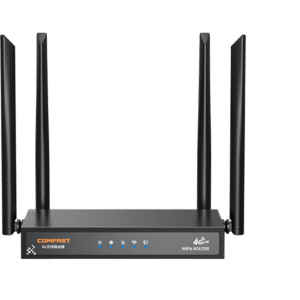
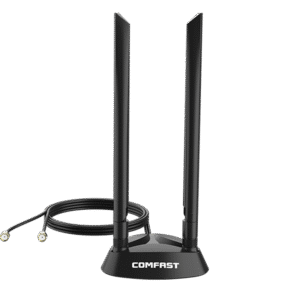
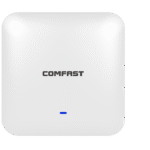











Big house, thin walls, Wi-Fi that vanishes when you reach the bedroom? A single router can’t bend radio waves around corners, but a team of them can. That team is called a Mesh network.

What Mesh Really Is
Think of it as a Wi-Fi chain gang. You link two or more routers (nodes) so they talk to each other—and every phone, tablet, or TV talks to the closest node. All nodes broadcast the same network name; your device hops automatically, without dropping the call or the cat video.
Why It’s Better Than “More Routers”
- Blanket coverage: add a node, kill a dead spot.
- Self-healing: if one node dies, traffic reroutes through the others.
- Shape-shifter: works in studios, sprawling flats, three-floor villas.
- Wire optional: run cables when you can, go wireless when you can’t.
Two Ways to Build It
Wireless Mesh
– Plug in the main router, set it up as usual.
– Tap the Mesh button (or toggle “Mesh” in the app).
– Power on the second node where signal is still strong (half-way to the dead zone), press its Mesh button; wait for the light to turn solid.
– Move the node to the weak area; it will auto-link.
Wired Mesh
– Run one Ethernet cable from any LAN port on the main router to the WAN port of the node.
– Press Mesh on both units; solid light = done.
– Faster, steadier, immune to microwaves and baby monitors.
Shopping & Setup Tips
– Buy matched pairs/triplets—Mesh rarely works across brands.
– Wi-Fi 6 models future-proof phones and laptops you’ll own next year.
– Do the pairing in the same room, then relocate; the first handshake is easier when the radios are shouting.
One afternoon, two tiny button presses, and every corner of the house finally gets the speed you pay for.