










Project LakeView Security Backhaul: Scenic Area Monitoring Solution for a Lakeside Tourism Park in Hangzhou
Contractor Team Introduction
We are a local WiFi and security monitoring transmission engineering contractor with long-term experience in scenic area CCTV backhaul, lakeside camera transmission, mountain trail monitoring, visitor center networks, parking lot CCTV wireless transmission, pier monitoring, commercial kiosk surveillance, night tour security systems, emergency rescue point monitoring, outdoor PoE deployment, wireless bridge installation, and NVR monitoring room integration.
A scenic area monitoring project is very different from an ordinary building CCTV project. The camera points are widely distributed, cable routes are limited, landscape protection requirements are strict, trees and slopes can block wireless paths, visitor traffic changes by season, and construction must not affect tourist flow, shuttle bus operation, emergency routes, night tour events, or the scenic appearance. The system must provide stable video return to the NVR while keeping outdoor equipment safe, discreet, waterproof, and easy to maintain.
Our team has used COMFAST equipment in many scenic parks, outdoor tourism areas, waterfront monitoring projects, factory perimeter CCTV projects, parking surveillance systems, resort monitoring systems, and public outdoor security projects. From field experience, COMFAST gateways, PoE switches, WiFi 6 routers, outdoor APs, and wireless bridges are practical for scenic area monitoring because they support flexible wireless backhaul, centralized PoE power, reliable outdoor deployment, clean topology, and clear long-term maintenance records. For this project, we selected COMFAST CF-AC200 full gigabit smart core gateway, CF-SG1241P 24-port gigabit PoE switch, CF-WR633AX V2 WiFi 6 management router, CF-WA937 outdoor WiFi 6 APs, CF-E312A V2 5.8G wireless bridges, CF-E113A V2 5.8G wireless bridges, CF-E319A V3 long-distance wireless bridges, and CF-E112N V2 wireless bridges.
1. Project Overview
Project Name: Project LakeView Security Backhaul
Project Location: Hangzhou Lakeside Cultural Scenic Park, Zhejiang, China
Scenario Type: Large lakeside scenic area with visitor entrances, ticketing and turnstile zones, visitor center, lakeside boardwalks, viewing platforms, mountain trails, forest trails, shuttle bus stops, commercial kiosks, restaurant rest areas, pier zones, night tour routes, emergency rescue points, and remote scenic boundary monitoring points
Scenic Area Size: Approximately 1.86 square kilometers
Average Daily Visitors: Around 12,000 on normal weekdays
Peak Holiday Visitors: More than 45,000 visitors per day during national holidays, spring flower season, and night tour festivals
CCTV Cameras Included in Upgrade: 128 cameras
Remote Cameras Requiring Wireless Backhaul: 47 cameras
NVR Location: Central scenic area monitoring room inside the visitor service and operations building
Core Equipment Room: Main weak-current room behind the visitor center operations office
Main Monitoring Areas: Main entrance, ticketing area, turnstiles, visitor center, visitor gathering square, parking area, shuttle bus stops, viewing platforms, lakeside boardwalk, mountain trail, forest trail, bridge areas, pier areas, waterfront platforms, commercial kiosks, restaurant rest areas, night tour activity zone, emergency rescue points, security booths, scenic boundary, and temporary event points
Project Goal: Build a stable scenic area CCTV wireless backhaul system with reliable NVR recording, controlled maintenance WiFi, outdoor PoE aggregation, long-distance bridge transmission, network segmentation, and professional handover documentation.
2. Customer Pain Points Before the Project
Several remote cameras were connected through temporary or aging cables. Some cable routes passed through landscaped areas, boardwalk edges, stone paths, and lakeside green belts. The old wiring was difficult to protect, difficult to repair, and visually unsuitable for a premium scenic area.
Cameras at the parking area, viewing platforms, lakeside boardwalk, pier, forest trail, and scenic boundary went offline from time to time. The cameras themselves were not the only issue. The real problems included unstable power, low bridge installation height, tree obstruction, weak alignment, same-channel interference, and insufficient night video transmission margin.
The NVR had occasional recording frame loss. During the day, many cameras could be previewed normally, but playback showed missing frames during holiday peaks, rainstorms, and nighttime infrared recording periods.
Some monitoring points were too expensive and disruptive to re-cable. The viewing platforms, lakeside boardwalks, mountain trail corners, forest trail entrances, bridge approaches, and pier edges required scenic protection approval before any trenching or visible cable installation.
Several wireless bridges were installed too low or in visually convenient locations rather than technically correct positions. During peak season, temporary kiosks, tourist signs, shuttle buses, trees, decorations, and event structures could block the wireless path.
Multiple wireless bridge links used similar channels. This caused interference when several camera groups transmitted at the same time, especially from parking, pier, commercial kiosk, and boundary camera zones.
Night tour cameras required better stability. During evening events, scenic lighting, crowd movement, temporary stages, and infrared camera bitrate increases placed more pressure on the old transmission system.
The monitoring network and office network were not clearly separated in several equipment boxes. This made troubleshooting harder and allowed non-CCTV traffic to compete with camera video return.
Weak-current boxes around the visitor center, parking area, commercial street, and security booths had unclear labels. Camera names, switch ports, bridge destinations, and power routes were not documented well enough for quick maintenance.
3. Customer Requirements
All remote cameras must connect stably to the NVR in the scenic area monitoring room.
Main entrance, ticketing, turnstile, visitor center, visitor square, parking, shuttle bus stop, viewing platform, lakeside boardwalk, mountain trail, forest trail, bridge, pier, waterfront platform, commercial kiosk, restaurant rest area, night tour activity zone, emergency rescue point, security booth, scenic boundary, and temporary event cameras must have stable video backhaul.
Wireless bridges should be used where new cabling would damage landscaping, require difficult approval, cross water, cross trails, or affect scenic appearance.
Critical camera links must support live preview, continuous NVR recording, remote review, and reliable playback.
CCTV network and management network must be separated from office access and visitor services.
Provide controlled maintenance WiFi for authorized operations staff, security patrol teams, emergency response staff, and commissioning engineers.
Use centralized PoE power where possible for cameras, wireless bridges, outdoor APs, and monitoring equipment.
Outdoor equipment must be waterproof, dust-resistant, corrosion-aware, securely mounted, protected against lightning risk, and convenient for future inspection.
Installations must be neat and visually controlled so they do not damage scenic appearance, heritage structures, lakefront views, or visitor experience.
Project handover must include topology diagram, camera point list, bridge direction records, device labels, switch port map, signal test results, and maintenance guidance.
4. COMFAST Equipment Used in This Project
The following are the main COMFAST equipment models used in this project and their usage descriptions.
| Equipment Model |
Type | Project Use | Reason for Use |
|---|---|---|---|
| CF-RG215 | Full gigabit smart gateway router | Core gateway, DHCP, customer WiFi, POS and ordering network, kitchen printer network, staff network, CCTV network, and management access | Suitable as the restaurant core gateway, separating guest WiFi from POS, ordering, kitchen printers, CCTV, staff devices, and management systems |
| CF-SG1241P | 24-port gigabit PoE switch | Centralized PoE power and gigabit data aggregation for cameras, APs, outdoor APs, wireless bridges, NVR-connected devices, and monitoring equipment | Replaces scattered adapters, simplifies the weak-current cabinet, improves labeling, and makes restaurant maintenance easier |
| CF-WR632AX | OpenWrt WiFi 6 mini router | Manager office, equipment room, emergency network support, temporary testing, authorized management wireless access, and maintenance tool connectivity | Provides controlled management WiFi for the owner, approved managers, and maintenance engineers without mixing with guest WiFi or CCTV traffic |
| CF-E391AX | WiFi 6 ceiling AP | Dining hall, waiting area, ordering area, open kitchen front area, takeout pickup area, and high-bandwidth indoor zones | Selected for peak-time guest devices, staff handheld devices, QR ordering, takeout tablets, and business terminals in high-traffic restaurant zones |
| CF-E591AX | WiFi 6 in-wall AP | Manager office, cashier back office, private dining rooms, VIP rooms, employee break room, and small function rooms | Provides room-level coverage while reducing unnecessary overlap from the main dining hall APs |
| CF-WA933 | Outdoor WiFi 6 AP | Outdoor seating, storefront service area, parking entrance support, back door passage, takeout rider waiting area, and limited outdoor management WiFi | Supports outdoor restaurant service and camera maintenance access while keeping installation discreet and protecting storefront appearance |
| CF-E312A V2 | 5.8G wireless bridge | CCTV wireless backhaul for parking entrance cameras, outdoor seating cameras, back door cameras, garbage room passage cameras, and hard-to-cable monitoring points | Avoids long cable runs across the storefront, outdoor dining structure, public walkway, and back-of-house areas while maintaining stable NVR recording |
5. Project Equipment Configuration Quantity
Based on the approximately 2,850 square meter restaurant area, 286 indoor seats, 68 outdoor seats, 8 private rooms, 2 VIP seafood tasting rooms, 42 CCTV cameras, 7 remote cameras requiring wireless backhaul, POS and ordering networks, kitchen printer network, takeout pickup area, outdoor seating, parking entrance monitoring, back door monitoring, garbage room passage monitoring, and NVR equipment room requirements, the recommended equipment configuration for this project was as follows:
| Equipment Model | Quantity | Deployment Location |
|---|---|---|
| CF-RG215 | 1 unit | Equipment room behind the manager office, used as the core gateway for customer WiFi, POS and ordering, kitchen printers, staff network, CCTV network, NVR remote viewing, and management access |
| CF-SG1241P | 2 units | Equipment room and back-of-house distribution point, used for PoE power, camera aggregation, AP connection, outdoor AP connection, wireless bridge connection, NVR-related devices, uplink ports, and maintenance reserve |
| CF-WR632AX | 1 unit | Manager office and equipment room for authorized management WiFi, emergency network support, temporary testing, remote viewing support, and maintenance tool access |
| CF-E391AX | 8 units | Large dining hall, waiting area, ordering area, open kitchen front area, takeout pickup area, cashier area, food pickup counter, and other high-density indoor service zones |
| CF-E591AX | 12 units | Manager office, cashier back office, 8 private dining rooms, 2 VIP seafood tasting rooms, employee break room, and small function rooms requiring room-level coverage |
| CF-WA933 | 4 units | Outdoor seating area, storefront service area, parking entrance support area, back door passage, takeout rider waiting area, and limited outdoor management WiFi coverage points |
| CF-E312A V2 | 4 pairs | Parking entrance cameras, outdoor seating cameras, back door cameras, garbage room passage cameras, and hard-to-cable monitoring points requiring stable 5.8G CCTV wireless backhaul |
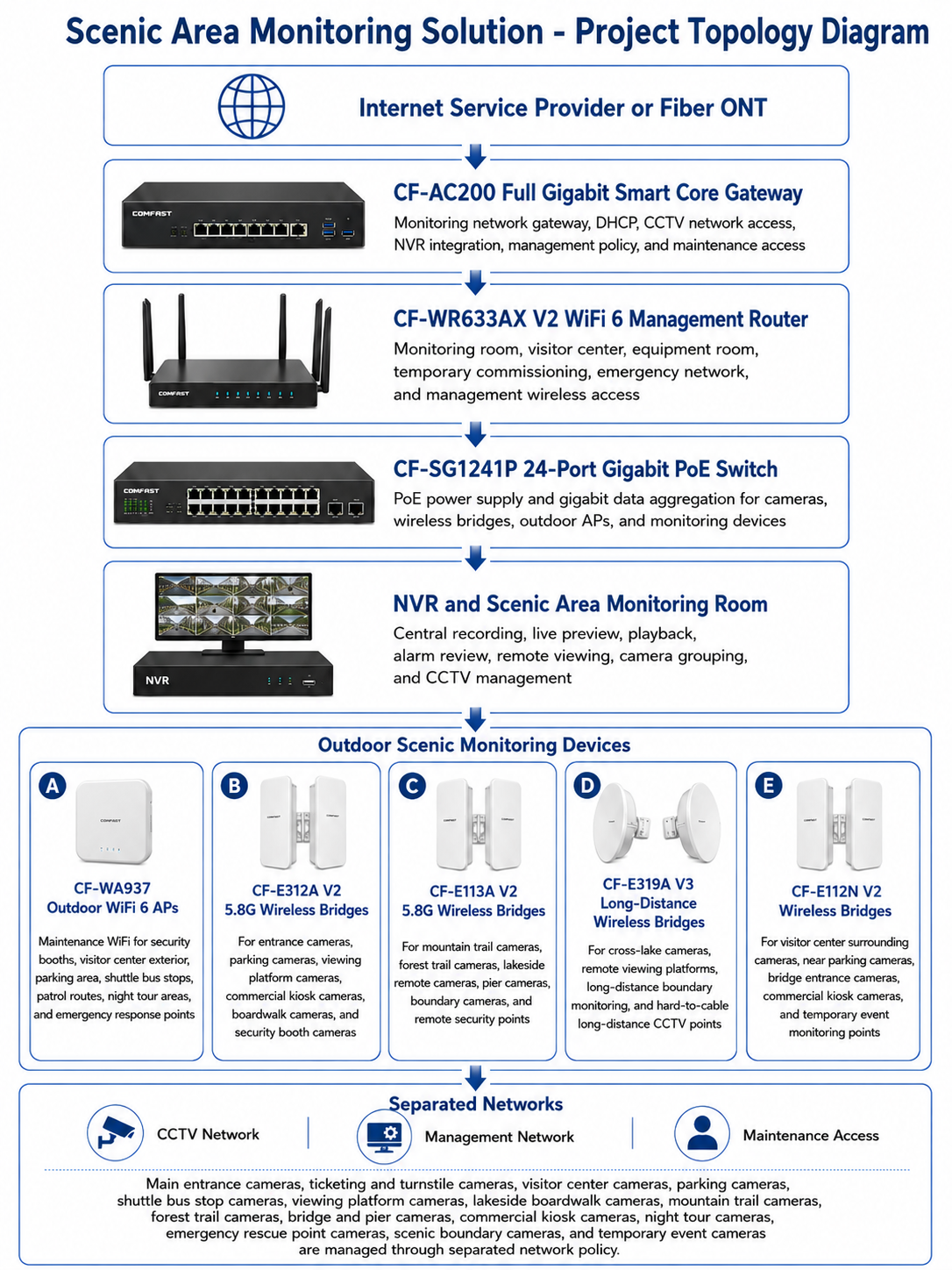
6. Project Topology Diagram
7. Site Survey and Troubleshooting Process
We began the project with a full on-site survey together with the scenic area operations manager, security supervisor, IT supervisor, visitor center manager, parking manager, shuttle bus coordinator, night tour manager, patrol team leader, emergency response coordinator, and maintenance technician. We walked the real visitor route from the main entrance to ticketing, from the visitor center to the lakeside boardwalk, from the parking lot to shuttle bus stops, from the viewing platform to mountain trails, and from the commercial area to night tour zones.
In the monitoring room, we checked the NVR, camera grouping, live preview quality, recording continuity, playback records, existing uplinks, switch ports, and previous failure logs. We identified which cameras had real transmission problems and which problems were caused by unclear naming or cabling records.
At the visitor center weak-current room, we inspected PoE power capacity, cabinet layout, old adapters, cable labels, bridge routes, grounding conditions, and maintenance space. The old wiring was functional but not suitable for fast troubleshooting during peak tourist periods.
At the entrance and turnstile area, we tested camera video return during visitor arrival peaks. Camera angles had to capture ticketing queues, turnstile movement, staff handling points, and crowd flow without interfering with visitor privacy.
At the visitor gathering square, we analyzed peak crowd movement, temporary queue lines, event booth positions, and emergency route visibility. This area needed stable monitoring because it was the main gathering point before visitors entered the lakeside route.
In the parking area, we tested camera backhaul from far corners, shuttle transfer points, and payment exits. Long cable routes would have crossed roads and landscaped zones, so wireless bridge backhaul was more practical for several camera groups.
At shuttle bus stops, we tested camera angles, vehicle movement, queue density, bridge mounting options, and maintenance WiFi needs. Shuttle bus canopies and buses could block low wireless bridge paths, so height planning was critical.
At viewing platforms, we confirmed line of sight from platform camera points to receiving bridge points. We checked railing height, tourist photo positions, decorative lighting poles, tree growth, and landscape restrictions before selecting bridge mounting locations.
Along the lakeside boardwalk and waterfront platforms, we checked humidity, wind exposure, cable concealment, visitor safety, and scenic appearance. The wireless backhaul plan had to avoid visible messy cable routes along the boardwalk.
For mountain trail and forest trail cameras, we checked tree obstruction, slope angle, power availability, pole stability, rainwater runoff, and maintenance walking routes. Some cameras required CF-E113A V2 links, while longer scenic boundary and high viewpoint cameras required CF-E319A V3 links.
At bridge and pier zones, we confirmed camera visibility, water reflection, tourist movement, wind exposure, and bridge link direction. We avoided bridge mounting positions that would disturb scenic appearance or create safety concerns.
In the commercial kiosk and restaurant rest areas, we tested camera points, crowd flow, WiFi maintenance access needs, night lighting, and temporary stall layouts. These zones required stable monitoring but also needed neat installation to preserve the commercial street appearance.
In the night tour zone, we tested camera video during evening lighting operation. Night infrared bitrate and lighting changes could increase video transmission pressure, so this area required special acceptance testing.
At emergency rescue points and security booths, we confirmed camera coverage, maintenance WiFi needs, emergency communication routes, and power source stability. These points had to stay reliable during crowd management and emergency response.
Finally, we performed wireless interference scanning and channel planning. The previous installation had overlapping bridge channels, so we grouped links by distance, direction, and camera bitrate requirement before assigning channels.
8. Problems Found During Implementation
The old temporary cable routes were not suitable for long-term scenic CCTV backhaul. Some cables were exposed near stone paths, boardwalks, green belts, and lakeside areas. We replaced selected unstable sections with wireless bridge links and cleaner PoE aggregation.
Camera dropouts were not caused only by camera quality. The real causes included unstable field-box power, poor wireless link alignment, tree obstruction, low installation height, same-channel interference, and insufficient bandwidth margin for night video.
Remote viewing platforms, lakeside cameras, pier cameras, forest trail cameras, and boundary cameras were better suited to wireless bridge backhaul than new trenching. This reduced landscape disturbance and shortened construction time.
Several old bridge locations were technically weak because they were selected for convenience and concealment only. We adjusted bridge height and direction to avoid trees, tourist signs, shuttle buses, temporary event structures, and slope-side obstruction while still keeping the installation visually controlled.
Multiple bridge links could not share the same channel. We grouped CF-E312A V2, CF-E113A V2, CF-E319A V3, and CF-E112N V2 links by coverage zone and direction, then optimized channels to reduce interference.
Night infrared video required more transmission margin. Cameras in the boardwalk, pier, forest trail, and night tour activity zone were tested after dark to confirm recording stability under real lighting conditions.
Maintenance WiFi could not be mixed with CCTV video traffic. CF-WA937 outdoor APs were deployed for controlled maintenance access, while CCTV video remained separated through policy design.
Outdoor equipment required waterproofing, corrosion-aware mounting, stable brackets, lightning protection review, concealed cable routing, and clear maintenance access. Scenic area equipment must survive weather while staying visually clean.
Construction had to avoid visitor peaks, holiday events, shuttle bus rush hours, night tour operation, safety patrols, and core opening hours. We used phased construction, early-morning windows, after-closing windows, and section-by-section access control.
9. Final Engineering Solution
The CF-AC200 was deployed as the full gigabit smart core gateway for the scenic area monitoring network. It provided CCTV network access, DHCP, NVR integration, management control, maintenance access, and network segmentation.
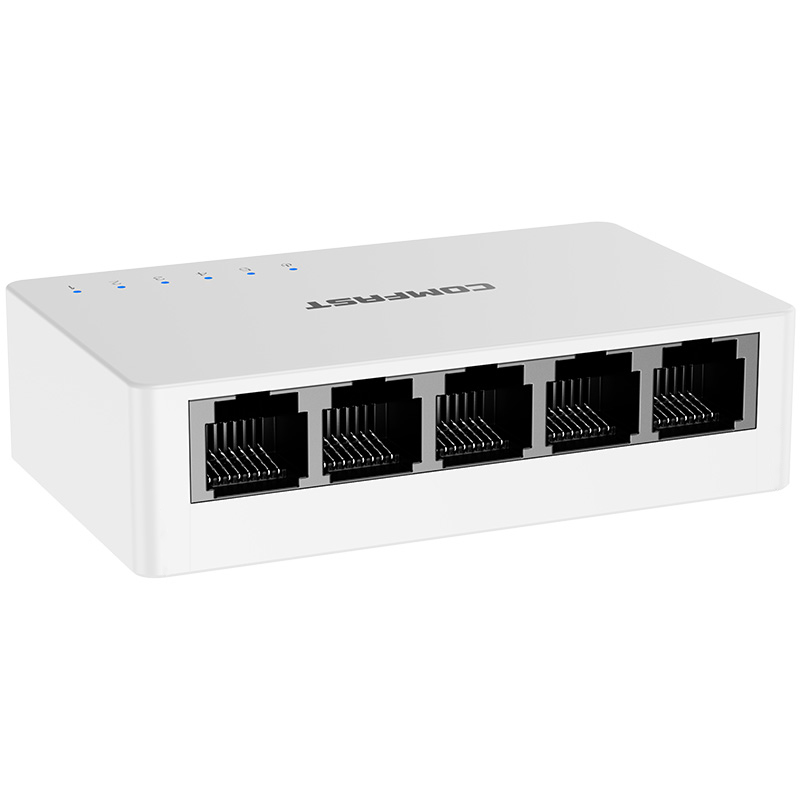
The CF-SG1241P 24-port gigabit PoE switch was installed in the core equipment room. It provided centralized PoE power and gigabit data aggregation for cameras, wireless bridges, outdoor APs, and monitoring devices.
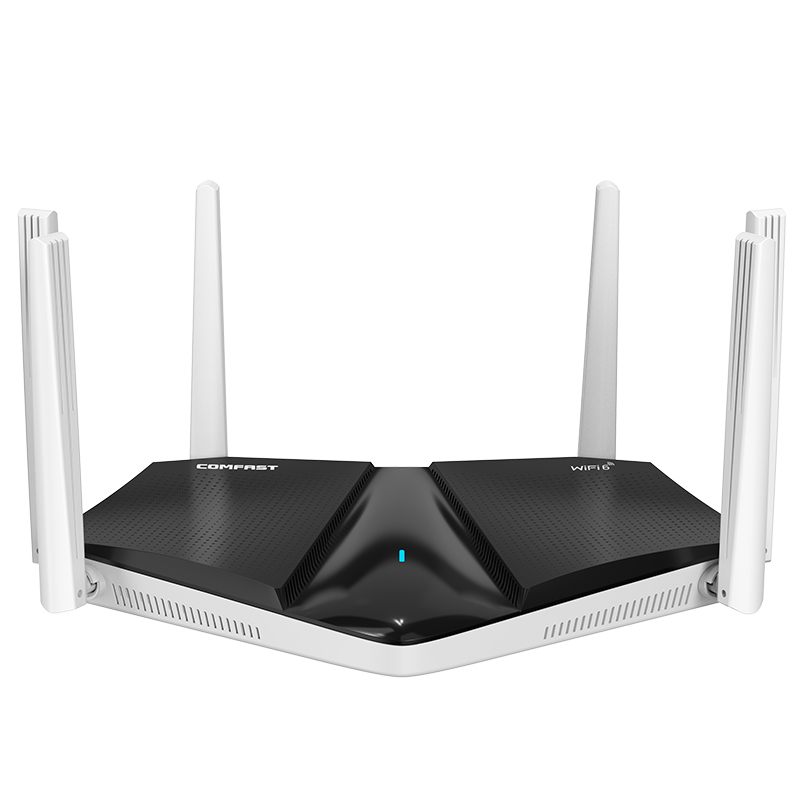
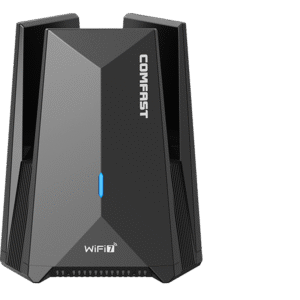
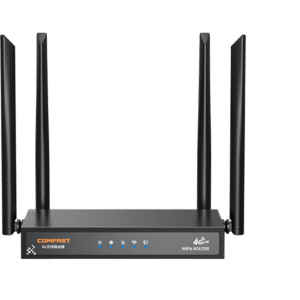
The CF-WR633AX V2 WiFi 6 management router was installed in the monitoring room and visitor center equipment room. It provided authorized management wireless access, emergency network access, temporary testing, and maintenance tool connectivity.
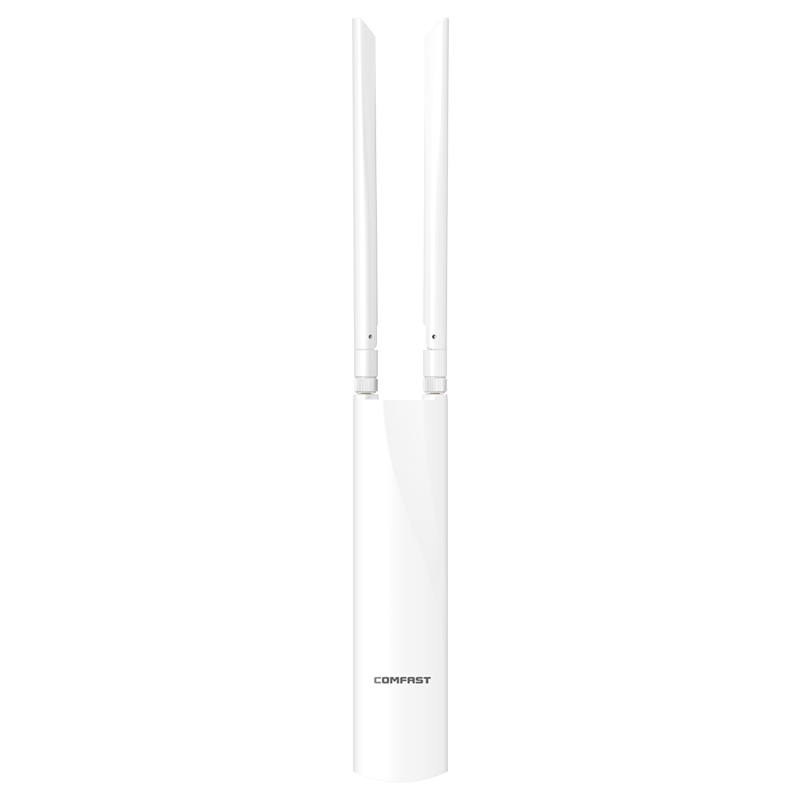
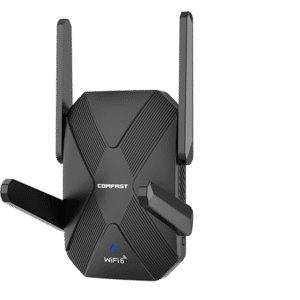
CF-WA937 outdoor WiFi 6 APs were deployed for controlled maintenance WiFi around the visitor center exterior, parking area, shuttle bus stops, security booths, patrol routes, emergency rescue points, and night tour operation zones.
CF-E312A V2 5.8G wireless bridges were used for common mid-distance CCTV backhaul, including entrance cameras, parking cameras, viewing platform cameras, commercial kiosk cameras, boardwalk cameras, and security booth cameras.
CF-E113A V2 5.8G wireless bridges were used for longer and more sensitive routes, including mountain trail cameras, forest trail cameras, lakeside remote cameras, pier cameras, boundary cameras, and remote security points.
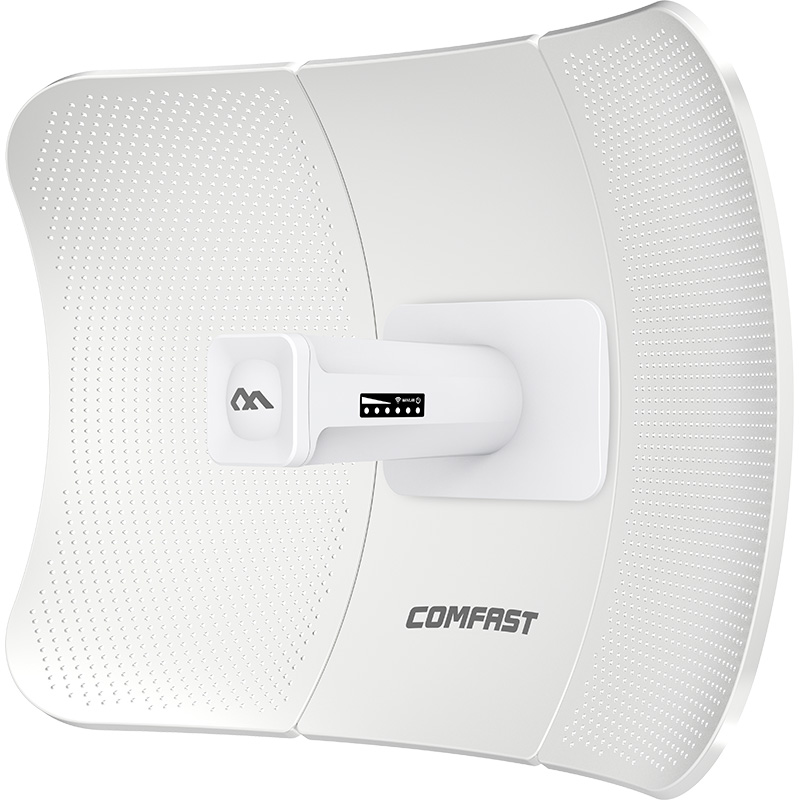
CF-E319A V3 long-distance wireless bridges were used for cross-lake CCTV return, remote viewing platform camera backhaul, and far scenic boundary monitoring points where stronger long-distance link margin was required.
CF-E112N V2 wireless bridges were used for short-distance auxiliary camera backhaul near the visitor center, parking edges, bridge entrances, commercial kiosk rows, and temporary event points.
10. Different Area CCTV Backhaul Design
NVR Scenic Area Monitoring Room Network: The monitoring room became the central point for live preview, continuous recording, playback, alarm review, remote viewing, and camera group management. The NVR was connected through the CF-AC200 and CF-SG1241P structure for stable aggregation.
Core Equipment Room Network: The core equipment room was reorganized with clear switch port records, bridge groups, camera names, PoE notes, and management access records. This improved maintenance speed during busy tourist seasons.
Main Entrance CCTV Backhaul: Main entrance cameras used stable PoE and wireless bridge paths to monitor visitor arrival, crowd flow, security check areas, and access control points.
Ticketing and Turnstile Area Monitoring: Ticketing and turnstile cameras were connected to the CCTV network for continuous recording. Camera angles covered ticket queues, gate movement, staff handling points, and visitor flow control.
Visitor Center Monitoring: Visitor center cameras monitored service counters, information desks, lost-and-found areas, and emergency service points. CF-WA937 maintenance WiFi supported authorized staff and technicians outside the building.
Visitor Gathering Square Monitoring: The visitor square required stable camera return for crowd management, temporary queues, event setup, and emergency response. Wireless bridge links were selected to avoid temporary booth obstruction.
Parking Area Camera Backhaul: Parking area cameras were divided into near and far groups. Near parking cameras used CF-E112N V2 or CF-E312A V2 links, while far-corner cameras used longer-distance bridge links where required.
Shuttle Bus Stop Camera Backhaul: Shuttle bus stop cameras were positioned to monitor queues, boarding areas, vehicle movement, and staff guidance points. Bridge height was selected to avoid bus canopy and vehicle obstruction.
Viewing Platform Camera Backhaul: Viewing platform cameras used CF-E312A V2 or CF-E319A V3 bridges depending on distance and line of sight. The installation balanced technical stability and scenic appearance.
Lakeside Boardwalk Monitoring: Boardwalk cameras required careful waterproofing, concealed cable routing, and reliable wireless return. Camera points were selected to cover visitor flow, lake-edge safety, and emergency access.
Mountain Trail Camera Backhaul: Mountain trail cameras used CF-E113A V2 links where terrain and trees created more complex transmission conditions. Mounting positions considered slope, safety, tree growth, and maintenance access.
Forest Trail Monitoring: Forest trail monitoring required extra attention to tree obstruction and seasonal foliage. We selected higher and clearer mounting positions while avoiding damage to trees and natural features.
Bridge Area Monitoring: Bridge cameras monitored pedestrian flow, safety rail areas, photo points, and crowd gathering. CF-E112N V2 links were used for several short bridge entrance camera returns.
Pier Area Camera Backhaul: Pier cameras used CF-E113A V2 bridges to return video without exposed cabling over visitor-accessible waterfront areas. The links were tested for wind, water reflection, and night lighting conditions.
Waterfront Platform Monitoring: Waterfront cameras monitored visitor safety near the lake edge. Equipment was mounted in weather-protected positions with clean cable routing and maintenance access.
Commercial Kiosk Area Monitoring: Commercial kiosk cameras used short and mid-distance bridge links depending on kiosk layout. Monitoring covered crowd flow, vendor access, transaction surroundings, and night closing activity.
Restaurant and Rest Area Monitoring: Restaurant and rest area cameras covered visitor seating, service paths, waste collection points, and emergency exits. The CCTV network stayed separated from any business or office access.
Night Tour Activity Area Monitoring: Night tour areas required testing after dark. Cameras were checked for infrared bitrate, lighting changes, temporary stage obstruction, and NVR recording continuity.
Emergency Rescue Point Monitoring: Emergency rescue points used stable camera return and maintenance WiFi support. These locations had to remain available for security, patrol, and emergency response coordination.
Security Booth Monitoring Network: Security booth cameras and devices were connected through PoE aggregation and wireless backhaul. CF-WA937 APs provided controlled maintenance WiFi for authorized security staff and technicians.
Scenic Boundary Camera Backhaul: Scenic boundary cameras used CF-E113A V2 and CF-E319A V3 bridge links depending on distance. These cameras supported after-hours patrol and boundary safety monitoring.
Temporary Event Monitoring Point Backhaul: Temporary event cameras used CF-E112N V2 or CF-E312A V2 links depending on distance and visibility. This allowed the scenic area to support festivals, markets, and night tour events without new cabling each time.
Remote CCTV Wireless Bridge Backhaul: Remote CCTV points were grouped by line of sight, distance, bitrate requirement, and maintenance access. Each link was tested for signal, throughput, delay, packet loss, live preview, recording, and playback.
Outdoor Maintenance WiFi Access: CF-WA937 APs provided controlled maintenance WiFi for scenic operations teams, patrol leaders, emergency staff, and engineers. This allowed field teams to check camera view and bridge status without using office or visitor networks.
11. Wireless Bridge, Outdoor AP, and Camera Installation Details
Wireless bridge installation height was selected according to tree height, visitor facility height, shuttle bus movement, viewing platform structure, lakefront railings, bridge elements, slope angles, and future maintenance safety. We avoided convenient low mounting points that would later be blocked by trees or temporary tourist facilities.
CF-E312A V2 links were used for common mid-distance scenic camera groups. These links were aligned between parking, entrance, kiosk, boardwalk, and security booth zones where the distance was manageable and stable 5.8G backhaul was suitable.
CF-E113A V2 links were used for mountain trail, forest trail, pier, lakeside remote, and boundary camera groups that required stronger stability over more complex outdoor paths.
CF-E319A V3 links were used for the longest CCTV backhaul routes, including cross-lake and remote viewing platform camera return. These links were tested carefully for line of sight, signal margin, and night video recording stability.
CF-E112N V2 links were used for short-distance auxiliary camera backhaul around visitor center surroundings, bridge entrances, near parking zones, commercial kiosks, and temporary event points.
CF-WA937 outdoor APs were installed for controlled maintenance WiFi. They were mounted in service-friendly positions near visitor center exterior, security booths, parking areas, shuttle stops, emergency points, and patrol routes.
Camera installation considered monitoring value, visitor privacy, scenic appearance, lighting, rain exposure, maintenance access, and emergency route visibility. We avoided visually messy installations and unnecessary damage to landscape structures.
Outdoor cable routing used protected entry points, waterproof boxes, drip loops, concealed conduits, corrosion-aware mounting, and labeled cable paths. Grounding and lightning protection were reviewed for exposed outdoor installation points.
Each bridge was labeled with source point, destination point, camera group, direction, switch port, and maintenance note. We also photographed critical alignment directions for future service teams.
12. NVR and Scenic Area Monitoring Room Integration
The NVR monitoring room was reorganized as the central management point for scenic area video. Camera groups were renamed by real locations, including main entrance, ticketing and turnstile, visitor center, parking, shuttle bus stop, viewing platform, lakeside boardwalk, mountain trail, forest trail, bridge, pier, kiosk area, night tour zone, emergency point, scenic boundary, and temporary event area.
We verified live preview, continuous recording, playback, remote review, alarm review, camera search, and night recording after each camera group was connected. This ensured that cameras were not only online, but also recording properly.
The monitoring team received a bridge-to-camera map showing which camera groups returned through each wireless bridge link. This makes future troubleshooting faster because staff can quickly identify whether a problem is camera-side, bridge-side, switch-side, power-side, or NVR-side.
The CF-WR633AX V2 provided controlled management WiFi inside the monitoring room and equipment room. This management access was separated from CCTV video traffic and office devices.
13. Network Segmentation and Maintenance Design
CCTV Network: The CCTV network carried camera video from wired cameras and wireless bridge-connected cameras to the NVR. It was separated from office access, visitor service systems, and maintenance WiFi to protect recording stability.
Management Network: The management network was reserved for the CF-AC200 gateway, CF-SG1241P PoE switch, CF-WR633AX V2 router, CF-WA937 APs, wireless bridges, NVR access, and authorized maintenance devices.
Outdoor Maintenance WiFi: The CF-WA937 APs provided controlled field access for maintenance staff, patrol supervisors, and emergency response teams. This was not open tourist WiFi. It was used for checking camera views, bridge status, and field device conditions.
PoE Power Design: The CF-SG1241P provided centralized PoE power and reduced scattered adapters in field boxes. For distributed scenic zones, power routes and PoE loads were documented clearly to simplify maintenance.
Documentation and Labeling: Every camera group, bridge link, outdoor AP, switch port, field box, and core device was labeled. The handover package included topology, camera point list, bridge direction records, signal test results, port map, and maintenance notes.
14. What We Did Differently from Other Engineering Teams
We did not simply connect cameras to wireless bridges and leave. We tested live preview, continuous NVR recording, playback, day video, night infrared video, packet loss, bridge signal strength, link delay, and camera group stability.
We did not install bridge pairs randomly. Every bridge direction was selected according to line of sight, tree growth, viewing platform structure, lake surface path, mountain slope, visitor facility position, and future maintenance safety.
We did not test only during quiet hours. We tested visitor peaks, shuttle bus activity, commercial kiosk operation, night tour lighting, and evening patrol conditions.
We did not use one channel for all bridge links. The wireless links were grouped and planned by direction, distance, and interference risk to reduce packet loss and improve video stability.
We did not mount bridges at low convenient points. We selected installation height based on tree obstruction, tourist facilities, mountain terrain, lakefront structures, shuttle bus height, and maintenance safety.
We did not mix CCTV video, maintenance WiFi, office devices, and management equipment in one flat network. The CCTV network and management network were separated by policy.
We did not blindly trench across scenic paths, green belts, boardwalks, lakefront structures, or heritage-style buildings. We used point-to-point, auxiliary, and long-distance wireless bridges where cabling would damage the landscape or affect visitors.
We did not interrupt scenic operations. Construction was completed by zone during approved low-traffic windows, avoiding visitor peaks, shuttle bus rush periods, night tour operation, holiday events, and security patrol routes.
15. Project Acceptance Results
NVR continuous recording test passed.
Daytime live video preview test passed.
Night infrared video test passed.
Video playback and search test passed.
Wireless bridge signal strength test passed.
Wireless bridge alignment angle inspection passed.
Bridge bandwidth test passed.
Bridge latency test passed.
Packet loss test passed.
Main entrance camera test passed.
Ticketing and turnstile camera test passed.
Visitor center camera test passed.
Visitor gathering square camera test passed.
Parking area camera test passed.
Shuttle bus stop camera test passed.
Viewing platform camera test passed.
Lakeside boardwalk camera test passed.
Mountain trail camera test passed.
Forest trail camera test passed.
Bridge area camera test passed.
Pier area camera test passed.
Commercial kiosk camera test passed.
Restaurant and rest area camera test passed.
Night tour activity area camera test passed.
Emergency rescue point camera test passed.
Security booth camera and maintenance WiFi test passed.
Scenic boundary camera test passed.
Temporary event monitoring point test passed.
Power-off recovery test passed.
PoE power supply test passed.
Waterproof box inspection passed.
CCTV network and management network isolation test passed.
Topology diagram, camera point list, bridge direction records, switch port map, device labels, signal test results, and acceptance report were delivered to the customer.
16. Customer and User Feedback
Scenic Area Operations Manager Feedback: “The project improved our monitoring coverage without damaging the landscape. The entrance, parking area, boardwalk, viewing platform, and night tour areas are now much easier to manage.”
Security Supervisor Feedback: “The NVR recording is more continuous, and the remote cameras no longer drop offline the way they did before. Night patrol monitoring is much more reliable.”
IT Supervisor Feedback: “The topology diagram, bridge direction records, switch port labels, and camera point list are very helpful. We can locate camera paths much faster during maintenance.”
Visitor Center Manager Feedback: “The visitor center, entrance, ticketing, and gathering square cameras are more stable during busy arrival periods. Crowd management is easier now.”
Parking Manager Feedback: “The parking far-corner cameras and shuttle stop cameras are finally stable. We can review incidents without missing video.”
Shuttle Bus Coordinator Feedback: “The shuttle stop camera coverage helps us check queue conditions and bus movement during peak hours.”
Night Tour Manager Feedback: “The night tour cameras are much better. Video is stable during evening lighting shows and crowd movement.”
Emergency Response Coordinator Feedback: “Emergency rescue point cameras and maintenance WiFi improve field response. Patrol teams can confirm camera views directly from the route.”
Maintenance Technician Feedback: “The outdoor boxes are cleaner, device labels are clearer, and bridge alignment records make inspection easier. We spend less time guessing cable paths.”
17. Project Summary
Project LakeView Security Backhaul was a successful Scenic Area Monitoring Solution for a large lakeside tourism park in Hangzhou. The project solved unstable temporary CCTV cabling, parking camera dropouts, viewing platform camera instability, boardwalk and pier camera backhaul difficulty, forest trail camera link issues, scenic boundary camera disconnections, NVR frame loss, night infrared video instability, same-channel wireless bridge interference, weak-current box disorder, and hard-to-maintain remote camera points.
The final COMFAST solution used the CF-AC200 full gigabit smart core gateway, CF-SG1241P 24-port gigabit PoE switch, CF-WR633AX V2 WiFi 6 management router, CF-WA937 outdoor WiFi 6 APs, CF-E312A V2 5.8G wireless bridges, CF-E113A V2 5.8G wireless bridges, CF-E319A V3 long-distance wireless bridges, and CF-E112N V2 wireless bridges. This combination supported CCTV video backhaul, NVR integration, long-distance camera return, short-distance auxiliary links, controlled outdoor maintenance WiFi, PoE aggregation, and segmented management.
The key value of this project was not simply adding wireless bridges. The real value was designing the scenic monitoring system around visitor routes, line of sight, mounting height, tree obstruction, lake and mountain terrain, video bitrate, night tour operation, PoE stability, waterproof outdoor installation, scenic appearance, NVR recording, network isolation, and long-term maintenance.
18. Lessons Learned and Advice to Other Contractors
Scenic area monitoring projects must start with visitor route analysis and camera point verification, not only cable distance.
Line of sight must be checked under real conditions, including trees, shuttle buses, kiosks, temporary event structures, slopes, bridges, and scenic facilities.
Wireless bridge mounting height should consider tree growth, visitor facility obstruction, lakefront structures, terrain elevation, and maintenance safety.
Multiple wireless bridge links require channel grouping. Using the same channel for all links will create interference and unstable CCTV video.
Night infrared video and night tour lighting must be tested because camera bitrate and lighting conditions change after dark.
Maintenance WiFi must be controlled and separated from CCTV video traffic.
Outdoor equipment must be waterproof, dust-resistant, corrosion-aware, grounded, securely mounted, and visually clean.
Do not destroy scenic paths, landscaped areas, boardwalks, waterfront structures, or heritage-style buildings with unnecessary cabling. Use wireless bridges where they reduce construction impact and maintain reliability.
Construction must avoid tourist peaks, holiday activities, shuttle bus peaks, night tour operation, emergency routes, and security patrol windows.
Professional handover must include topology diagrams, camera lists, bridge direction records, signal test results, switch port labels, outdoor box records, and maintenance guidance.
For scenic area projects, engineers should walk every camera route, every boardwalk, every viewing platform, every shuttle stop, every pier, every trail entrance, every boundary point, and every field box. Drawings are useful, but the real site determines whether the video will remain stable.
Do not treat scenic CCTV wireless backhaul as a simple connection job. The final result depends on camera bitrate, NVR recording continuity, bridge alignment, link margin, channel planning, PoE power, waterproofing, scenic appearance, and maintenance documentation.
A Scenic Area Monitoring Solution is complete only when cameras stay online, NVR recording is continuous, day and night video remain stable, remote scenic cameras return video without damaging the landscape, bridge links are documented, maintenance WiFi is controlled, and the scenic area team can manage the system confidently. That was the standard we delivered for Project LakeView Security Backhaul.