










1. Speed
USB 2.0: 480 Mb/s on paper → 25-30 MB/s in Windows.
USB 3.0: 5 Gb/s on paper → 80-110 MB/s with a spinning disk, 300-400 MB/s with a fast SSD.
A 1 GB film: ~35 s on 2.0, ~3 s on 3.0.
2. Power
2.0: 5 V × 500 mA = 2.5 W.
3.0: 5 V × 900 mA = 4.5 W (plus “Battery Charging” specs up to 7.5 W).
Translation: USB 3.0 can run a 4K webcam, Wi-Fi 7 dongle or 2.5 GbE adapter without a separate mains brick.
3. Traffic lanes
2.0 = one-lane bridge (half-duplex): send, stop, receive, stop…
3.0 = dual-carriage fly-over (full-duplex): send and receive at the same time. Result: less stutter when you copy files while streaming Zoom.
4. Compatibility
Blue 3.0 socket accepts black 2.0 plugs—just drops to 2.0 speed.
Black 2.0 socket accepts blue 3.0 plugs—also drops to 2.0 speed.
Cables matter: a 2.0 cable will strangle a 3.0 device.
5. How to spot the difference in 3 s
– Colour: 3.0 ports are usually blue inside (not always, but 90 % of the time).
– Pins: 2.0 has 4 metal strips; 3.0 has 9.
– Logo: 2.0 = ⚡; 3.0 = SS ⚡ (“SuperSpeed”).
6. Wi-Fi adapters: why 3.0 matters
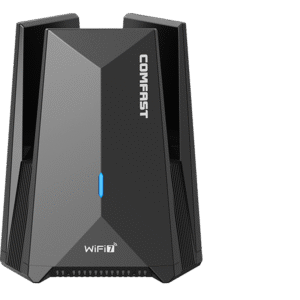
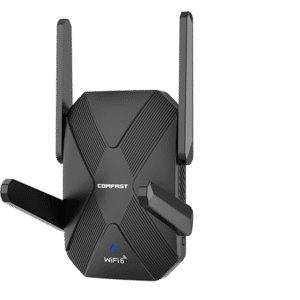
A Wi-Fi 6/7 dongle can push 1.2–2.9 Gb/s of data. USB 2.0 caps out at ~240 Mb/s after overhead, throttling the radio. COMFAST’s CF-959AX, CF-983BE and CF-986BE all use USB 3.0 so the antenna can breathe, the chipset gets full power, and you actually see the speed you paid for.

Bottom line: if the port is blue, use it—especially for disks, dongles or anything that says “GbE”, “AX” or “BE”.