










Project Pacific Gate Logistics Park: WiFi Coverage and CCTV Wireless Transmission for a Large Distribution Campus in Los Angeles
Contractor Team Introduction
We are a local WiFi engineering contractor with long term experience in logistics park coverage, warehouse WiFi deployment, loading dock wireless systems, outdoor yard coverage, CCTV wireless transmission, office WiFi, hotel WiFi, shopping mall WiFi, public area coverage, and mixed indoor outdoor network projects. Our team has served logistics companies, cross dock distribution centers, e commerce warehouses, freight yards, cold chain facilities, parking lots, security posts, and large industrial campuses.
A logistics park WiFi project is not just an office network extension. The network must support handheld scanners, PDA terminals, forklift routes, loading dock operations, truck queue management, warehouse aisles, temporary storage areas, office users, driver guest WiFi, CCTV cameras, and remote monitoring points. The real challenge is keeping business devices connected while trucks, forklifts, pallets, metal racks, containers, and moving goods constantly change the wireless environment.
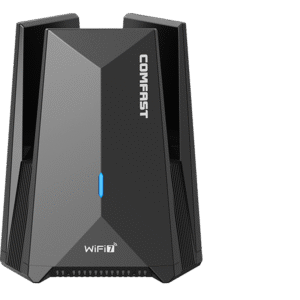
We have used COMFAST equipment in many warehouse, office, outdoor, and surveillance transmission projects. From our field experience, COMFAST gateways, PoE switches, WiFi 7 APs, in wall APs, outdoor APs, OpenWrt routers, and wireless bridges are practical for logistics environments because they provide flexible deployment, stable coverage, clean installation, and easier maintenance. For this project, we selected a different equipment combination from our station square solution: CF-AC100 full gigabit gateway, CF-SG181P 24 port gigabit PoE switch, CF-WR632AX OpenWrt mini router, CF-E373BE WiFi 7 ceiling APs, CF-E593AX in wall APs, CF-WA973 outdoor WiFi 7 APs, and CF-E312A V2 5.8G wireless bridges.
This case study documents our Logistics Park Coverage Solution for Pacific Gate Logistics Park in Los Angeles. The project covered the main vehicle entrance, security checkpoint, truck queue area, loading docks, warehouse aisles, sorting and scanning zones, forklift routes, temporary storage yard, office building, dispatch room, driver rest area, parking lot, perimeter fence cameras, remote CCTV points, and network equipment room.
1. Project Overview
Basic Project Information
Project Name: Project Pacific Gate Logistics Park
Project Location: Los Angeles, California, USA
Facility Type: Large logistics park and cross dock distribution campus
Total Site Area: Approximately 118,000 square meters
Warehouse Area: Approximately 46,000 square meters
Daily Truck Volume: Around 380 inbound and outbound trucks
Main Coverage Areas: Main gate, vehicle checkpoint, truck queue area, loading dock, warehouse aisles, sorting area, scanning area, forklift routes, temporary storage yard, office building, dispatch room, driver rest area, security booth, parking lot, and perimeter CCTV points
Project Type: Logistics Park Coverage Solution with indoor warehouse WiFi, outdoor yard coverage, business network isolation, and 5.8G CCTV wireless bridge transmission
Project Cycle: Six weeks from survey to final acceptance
Construction Window: Night shifts, low loading periods, and phased area work to avoid disrupting logistics operations
Pacific Gate Logistics Park operates cross dock freight handling, e commerce sorting, pallet storage, outbound loading, inbound receiving, and yard management. The customer’s original network was designed mainly for office use and could not support warehouse operations, handheld scanners, forklift movement, outdoor vehicle lanes, and remote security camera transmission. The upgrade had to improve coverage while keeping daily logistics work running.
2. Customer Pain Points Before the Project
Office WiFi Could Not Support Warehouse Operations
The previous network was built around the office area. Warehouse workers could see WiFi in some nearby areas, but the signal was weak and inconsistent in the aisles, scanning zones, and loading dock edges. Handheld terminals often lost connection when workers moved away from the office wall.
Loading Dock Scanners Dropped During Peak Shifts
The loading dock was one of the most critical business areas. Workers used barcode scanners and PDA terminals to confirm inbound and outbound freight. During peak loading periods, scanners sometimes froze, delayed uploads, or disconnected at dock door edges. This caused manual rechecks and slowed down truck turnaround.
Metal Racks and Pallets Created Signal Reflection
The warehouse had tall metal racks, stacked pallets, forklifts, metal roll up doors, and changing inventory. These elements caused reflection, attenuation, and inconsistent coverage. A simple AP layout based only on warehouse drawings could not solve the problem.
Forklift Routes Had Unstable Roaming
Forklift operators used mounted terminals and handheld devices while moving between receiving lanes, storage aisles, sorting zones, and outbound docks. The old network had gaps along these routes, and some devices stayed connected to distant APs instead of roaming properly.
Truck Queue and Yard Areas Had Almost No WiFi
The truck queue area, yard lanes, and temporary storage area had little usable WiFi. Yard staff and gate staff needed stable connectivity for check in, coordination, and dispatch updates. Drivers also needed controlled guest WiFi in the rest area, but that traffic could not affect warehouse operations.
Remote CCTV Points Were Expensive to Cable
Several perimeter fence cameras and parking lot cameras were far from the main network room. Trenching would have interrupted vehicle movement and added unnecessary cost. The customer needed a reliable wireless bridge method for CCTV transmission.
Business, Guest, Camera, and Management Traffic Were Mixed
The old network did not clearly separate warehouse devices, office users, driver guest access, cameras, and management equipment. This made troubleshooting difficult and created unnecessary risk for business systems.
3. Customer Requirements
Confirmed Requirements from Logistics Operations
Stable WiFi coverage across warehouse operation areas and critical outdoor yard zones.
Reliable barcode scanner and PDA connectivity at loading docks and sorting areas.
Continuous coverage along forklift operation routes.
Outdoor WiFi coverage at the main gate, vehicle checkpoint, truck queue area, parking lot, and temporary storage yard.
Controlled guest WiFi for drivers in the driver rest area.
Stable CCTV wireless bridge transmission for perimeter fence cameras and parking lot cameras.
Separate staff network, warehouse operation network, driver guest WiFi, camera network, and management network.
PoE powered AP and wireless bridge deployment for cleaner installation.
Network installation without interrupting loading, receiving, truck movement, or warehouse shifts.
Clear device labels, AP location records, bridge records, topology notes, and handover training for the IT and operations teams.
4. COMFAST Equipment Used in This Project
The following are the main COMFAST equipment models used in this project and their usage descriptions.
| Equipment Model |
Type | Project Use | Reason for Use |
|---|---|---|---|
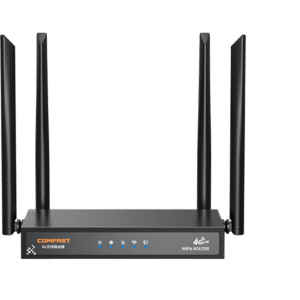
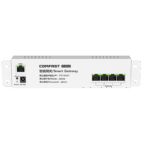
| CF-AC100 | Full gigabit gateway | Main gateway, DHCP, staff network policy, warehouse operation network policy, driver guest WiFi policy, camera network planning, and management access | Suitable as the logistics park network control center, keeping warehouse devices, office users, driver guest WiFi, CCTV, and management traffic separated |
| CF-SG181P | 24-port gigabit PoE switch | Centralized PoE power supply and wired distribution for ceiling APs, in-wall APs, outdoor APs, and wireless bridge devices | Provides clean PoE deployment, reduces local adapters, simplifies cabinet maintenance, and supports multiple AP and bridge locations across warehouse, office, yard, and security areas |
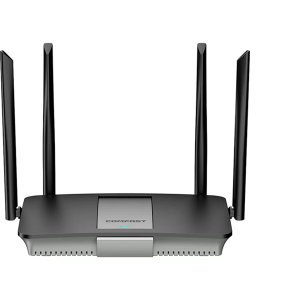
| CF-WR632AX | OpenWrt mini router | Dispatch room, IT maintenance area, temporary testing, isolated device setup, USB maintenance tasks, and controlled troubleshooting | Provides a flexible isolated testing environment without affecting the production warehouse operation network |
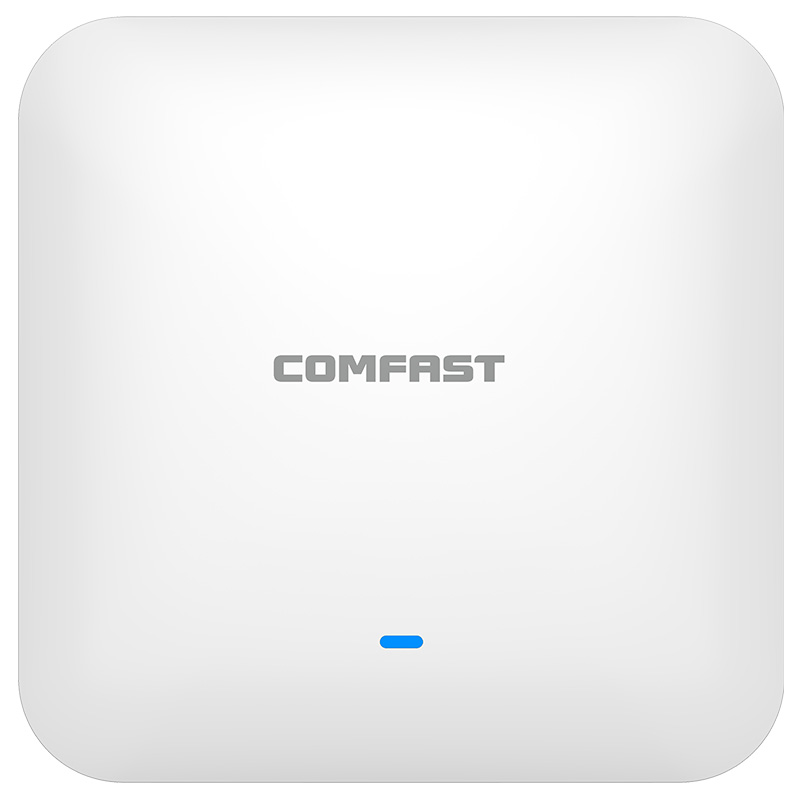
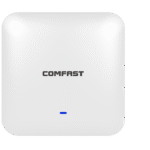
| CF-E373BE | WiFi 7 ceiling AP | Warehouse aisles, sorting zones, scanning areas, packing areas, indoor loading transition zones, and office public areas | Suitable for high-performance indoor warehouse coverage, supporting handheld terminals, PDA devices, staff devices, and warehouse operation systems |
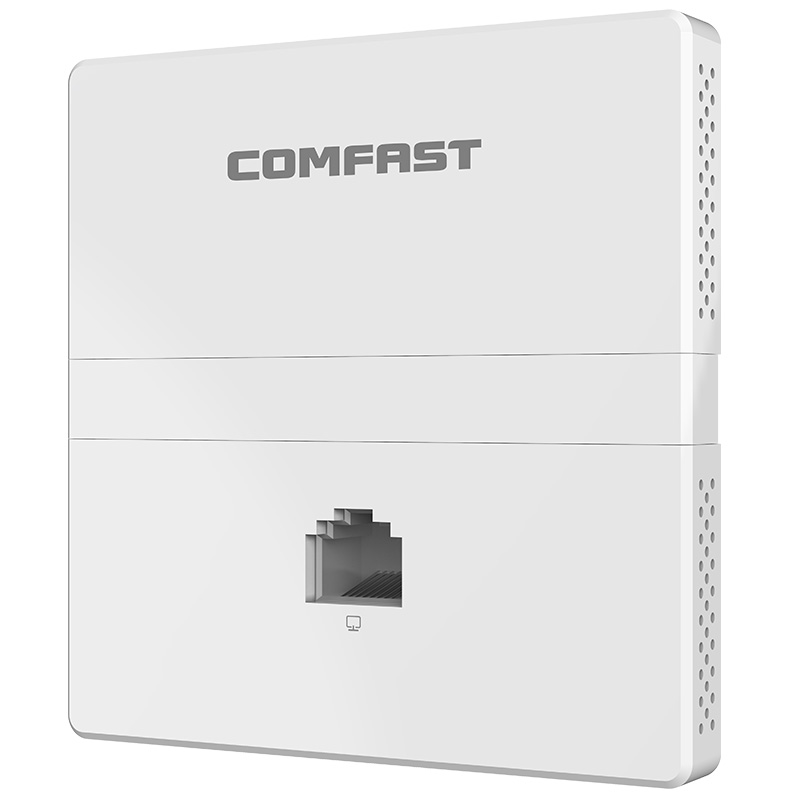
| CF-E593AX | AP trong tường | Office rooms, dispatch rooms, driver rest area, security booth, staff break room, small meeting rooms, and corridor transition zones | Provides focused room-level coverage where ceiling installation is not ideal and prevents office or driver areas from overloading warehouse APs |
| CF-WA973 | Outdoor WiFi 7 AP | Main gate, vehicle checkpoint, truck queue area, outdoor loading yard, temporary storage area, parking lot, and warehouse exterior transition zones | Suitable for outdoor logistics operations, supporting yard staff, vehicle check-in, driver coordination, and outdoor operational devices |
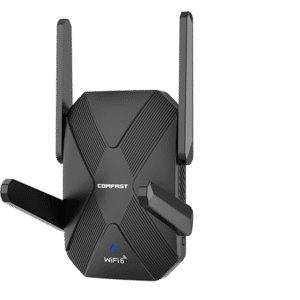
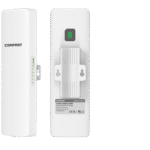
| CF-E312A Phiên bản 2 | 5.8G wireless bridge | 5.8G CCTV wireless transmission for perimeter fence cameras, parking lot cameras, and remote monitoring points | Avoids trenching and long cable routing while maintaining stable CCTV backhaul transmission for remote security points |
5. Project Equipment Configuration Quantity
Based on the approximately 118,000 square meter logistics park area, 46,000 square meter warehouse area, around 380 daily inbound and outbound trucks, warehouse aisles, loading docks, forklift routes, outdoor yard zones, driver rest area, parking lot, perimeter CCTV points, and future maintenance requirements, the recommended equipment configuration for this project was as follows:
| Equipment Model | Quantity | Deployment Location |
|---|---|---|
| CF-AC100 | 1 unit | Main network room, used as the full gigabit gateway for warehouse operation network, office network, driver guest WiFi, camera network, and management access |
| CF-SG181P | 4 units | Main network room, warehouse distribution points, office area, and outdoor yard distribution point for PoE power supply, AP connection, bridge connection, uplink ports, and expansion reserve |
| CF-WR632AX | 1 unit | Dispatch and IT maintenance area, used for temporary testing, isolated device setup, USB maintenance tasks, and controlled troubleshooting |
| CF-E373BE | 28 units | Warehouse aisles, receiving area, sorting and scanning zones, packing area, forklift routes, loading dock transition zones, and office public areas |
| CF-E593AX | 8 units | Office rooms, dispatch room, driver rest area, security booth, staff break room, small meeting rooms, and corridor transition zones |
| CF-WA973 | 14 units | Main gate, vehicle checkpoint, truck queue lanes, outdoor loading yard, temporary storage yard, warehouse exterior transition zones, parking lot, and security working points |
| CF-E312A Phiên bản 2 | 5 pairs | Perimeter fence cameras, parking lot cameras, remote monitoring points, far-side yard camera points, and security center CCTV backhaul links |
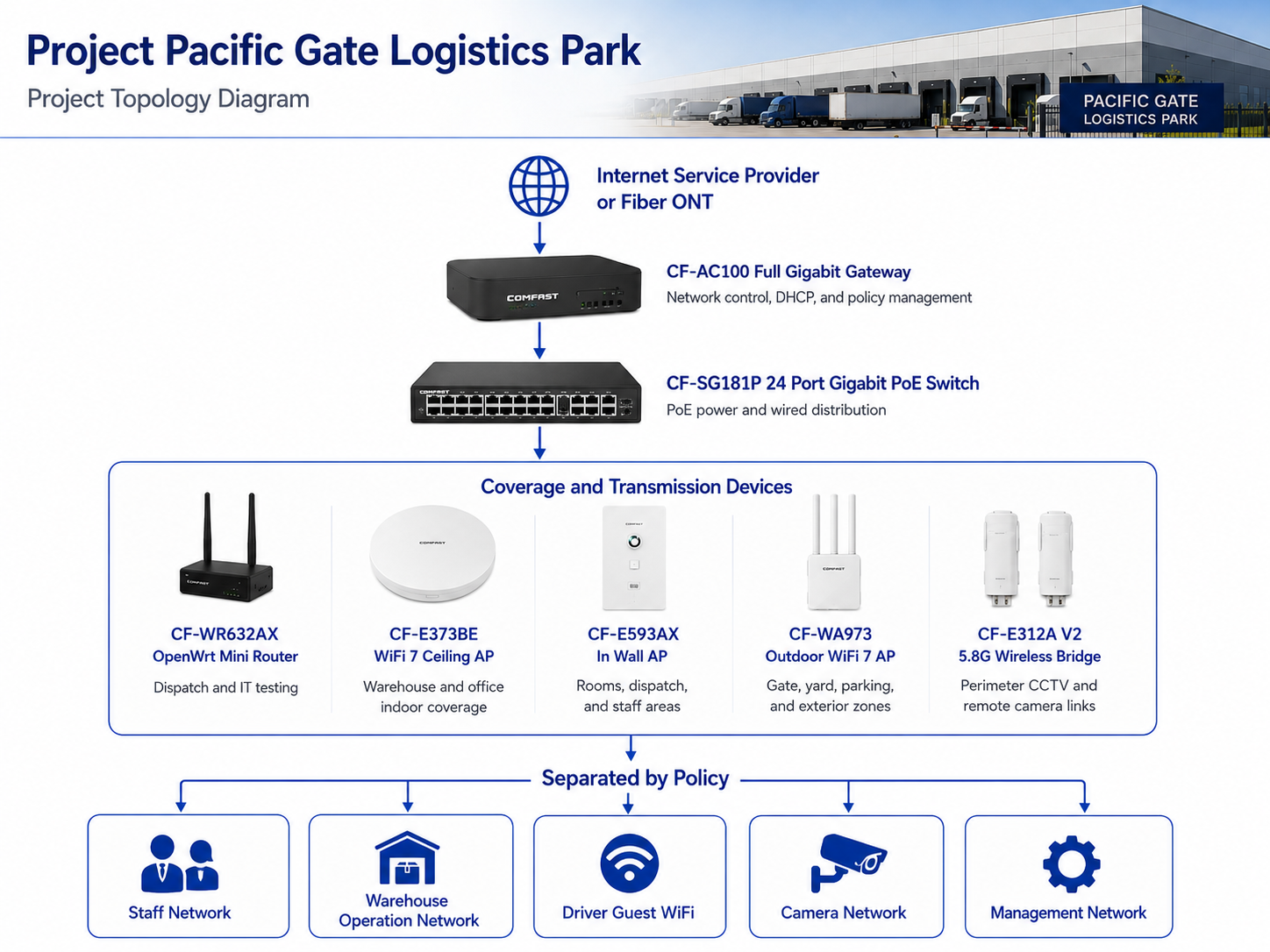
6. Project Topology Diagram
Overall Network Topology
7. Site Survey and Troubleshooting Process
Logistics Workflow Survey
We started by walking the full logistics workflow with the operations manager, warehouse supervisor, IT manager, and security supervisor. We followed the path from vehicle check in to truck queue, from dock assignment to loading bay, from scanning area to storage aisle, from forklift route to outbound staging, and from the office building to the driver rest area. This allowed us to design the network around real logistics movement instead of only floor drawings.
Warehouse RF Testing
Inside the warehouse, we tested signal in aisles, rack rows, scanning stations, packing tables, dock doors, forklift routes, and temporary storage zones. Metal racks and loaded pallets created reflection and signal shadowing. We used these readings to decide where CF-E373BE ceiling APs should be installed.
Loading Dock Scanner Test
We tested handheld scanners and PDA terminals at each loading dock door. The dock edge was a problem area because indoor and outdoor conditions overlapped. We designed coverage so scanners could remain connected when workers moved between the warehouse floor and truck loading positions.
Forklift Route Review
Forklift operators moved through long aisles, cross aisles, staging areas, and dock lanes. We tested the routes with moving devices, not just stationary phones. This helped us plan AP overlap and power levels for smoother roaming.
Outdoor Yard and Vehicle Area Survey
The outdoor yard had truck queues, trailers, temporary pallet stacks, parking lanes, and moving vehicles. We tested coverage around the main gate, checkpoint, truck queue lanes, parking lot, and temporary storage yard. CF-WA973 AP positions were selected based on vehicle movement and staff working points.
CCTV Wireless Bridge Path Survey
We inspected perimeter fence cameras, parking lot cameras, and remote monitoring points. For each CF-E312A V2 bridge link, we checked line of sight, mounting height, truck obstruction risk, cable route, power availability, and weather exposure.
Network Room and PoE Readiness Check
The network room had existing fiber access, but the old patching was not well documented. We tested cable routes, corrected labels, prepared the CF-AC100 gateway location, installed the CF-SG181P 24 port PoE switch, and created a port map for all AP and bridge devices.
8. Problems Found During Implementation
Warehouse Metal Environment Changed the WiFi Behavior
The warehouse looked open on paper, but RF behavior was complex in the field. Metal racks, forklifts, dock doors, and pallet stacks reflected and blocked signal. We adjusted AP locations after real testing instead of relying only on the initial floor plan.
Dock Door Areas Needed Indoor Outdoor Transition Coverage
Dock doors were not ordinary indoor zones. Workers moved between warehouse aisles and truck trailers. We used a combination of CF-E373BE indoor AP planning and CF-WA973 outdoor AP coverage to keep scanners stable at dock transitions.
Forklift Terminals Needed Better Roaming
Forklift mounted terminals sometimes stayed connected to APs that were too far away. We adjusted AP transmit power and channel planning so devices could move more naturally between coverage zones.
Driver Guest WiFi Had to Be Controlled
The driver rest area needed WiFi, but driver devices could not share the same access path as warehouse scanners, office laptops, or cameras. We separated driver guest WiFi from the operation network through gateway policy.
Remote CCTV Cabling Was Not Practical
Perimeter cameras were too far from the main network cabinet. Trenching would have interrupted truck lanes and yard operation. CF-E312A V2 5.8G wireless bridges solved the backhaul problem with less disruption.
Installation Had to Avoid Operational Downtime
The logistics park could not stop loading and dispatch work for network installation. We worked by zone, coordinated with shift supervisors, and performed high impact work during low activity windows.
9. Final Engineering Solution
Core Gateway and Network Policy
We installed the CF-AC100 full gigabit gateway as the network control center. It managed DHCP, staff access, warehouse operation devices, driver guest WiFi, camera traffic, and management access. This created a cleaner network structure and reduced troubleshooting complexity.
PoE Distribution
The CF-SG181P 24 port gigabit PoE switch powered the APs and wireless bridge devices. Centralized PoE reduced local adapters, simplified maintenance, and made device power control easier for the IT team.
Warehouse Indoor Coverage
CF-E373BE ceiling APs were installed in warehouse aisles, scanning zones, sorting zones, packing areas, and loading dock transition zones. Their WiFi 7 capability helped support modern handheld devices, staff tablets, and high activity warehouse operations.
Office and Room Level Coverage
CF-E593AX in wall APs were installed in the dispatch room, driver rest area, security booth, staff break room, office rooms, and small meeting rooms. This gave stable local coverage without overloading warehouse APs.
Outdoor Yard Coverage
CF-WA973 outdoor WiFi 7 APs were installed at the main gate, truck queue area, outdoor loading yard, temporary storage area, parking lot, and warehouse exterior transition zones. These APs supported yard staff, vehicle check in, driver coordination, and outdoor operational devices.
CCTV Wireless Bridge Transmission
CF-E312A V2 wireless bridges were aligned for perimeter fence cameras, parking lot cameras, and remote monitoring points. After installation, we tested camera feed stability and confirmed smooth monitoring from the security center.
OpenWrt Testing and Maintenance Access
The CF-WR632AX OpenWrt mini router was configured for dispatch and IT testing. It provided a flexible isolated environment for maintenance, temporary device setup, USB expansion tests, and troubleshooting without affecting production warehouse traffic.
10. Different Area Network Design
Main Gate and Vehicle Checkpoint Coverage
The main gate required stable WiFi for security staff, check in tablets, vehicle registration devices, and camera systems. CF-WA973 APs were positioned to cover vehicle lanes and staff working points without sending unnecessary signal into open roadway space.
Truck Queue Area Coverage
The truck queue area needed coverage for yard coordinators and driver communication. We kept this traffic separated from warehouse operation devices and management systems.
Loading Dock Coverage
The loading docks were treated as priority business zones. We tested barcode scanners at dock doors, inside trailers, near staging lanes, and beside pallet lines. Coverage was tuned to reduce scanner dropouts during loading and receiving.
Warehouse Aisle Coverage
Warehouse aisles used CF-E373BE ceiling APs. AP placement considered rack height, aisle width, pallet movement, forklift routes, and changing inventory. We tested both empty and loaded aisle conditions where possible.
Sorting and Scanning Area Coverage
Sorting and scanning areas required stable uplink for handheld devices. We prioritized clean signal and low roaming disruption because scanning errors directly affect shipment accuracy.
Forklift Operation Route Coverage
Forklift routes were tested with moving terminals. We adjusted AP power so devices could roam more smoothly between aisles, cross aisles, docks, and staging lanes.
Driver Rest Area Coverage
The driver rest area used CF-E593AX in wall AP coverage and a controlled driver guest WiFi network. Drivers received internet access without reaching warehouse operation systems.
Parking Lot and Perimeter Coverage
The parking lot and perimeter fence used CF-WA973 outdoor AP coverage and CF-E312A V2 bridge transmission for cameras. This improved yard security and reduced the need for long cable runs.
11. Warehouse and Loading Dock WiFi Design
Designed Around Scanning Workflow
We designed the warehouse network around scanning workflow. The key locations were receiving, staging, sorting, putaway, picking, packing, loading, and outbound verification. Every one of these steps depended on stable handheld connectivity.
Dock Door Transition Handling
Dock doors were handled carefully because devices moved between indoor warehouse coverage and outdoor truck positions. We adjusted AP placement and power levels so scanners did not lose connection when workers approached trailer doors.
Metal Rack Interference Control
The warehouse rack system created reflections and blocked paths. We avoided installing APs only at convenient cable points. Instead, we selected positions based on aisle coverage and actual signal measurements.
Roaming Optimization for Moving Devices
Forklift terminals and handheld devices needed smooth movement across zones. We tuned channels and transmit power to reduce sticky client behavior and improve connection continuity.
12. Wireless Bridge Transmission Design
Perimeter Fence Camera Bridge
The perimeter fence cameras were connected through CF-E312A V2 wireless bridge links. We selected mounting points with clear line of sight and reduced obstruction from parked trailers.
Parking Lot Camera Bridge
Parking lot cameras were far from the network room. The wireless bridge solution avoided trenching and kept vehicle routes open during deployment.
Temporary Yard Monitoring Bridge
The logistics park sometimes created temporary storage zones during seasonal peaks. We reserved bridge planning options for temporary CCTV points so the security team could expand monitoring when needed.
Bridge Alignment and Video Stability Testing
Each CF-E312A V2 bridge link was aligned and tested. We checked camera feed continuity, monitoring center video quality, and link stability during active yard movement.
13. Network Segmentation and Security Design
Staff Network
The staff network supported office users, supervisors, dispatch staff, security personnel, and approved employee mobile devices. It was separated from driver guest WiFi and camera traffic.
Warehouse Operation Network
The warehouse operation network supported barcode scanners, PDA terminals, forklift terminals, sorting systems, and dock devices. This was the most business critical network in the project.
Driver Guest WiFi Network
The driver guest WiFi network provided controlled internet access in the driver rest area and limited outdoor waiting zones. It had no access to warehouse systems, office devices, cameras, or management equipment.
Camera Network
The camera network carried CCTV traffic from wired cameras and CF-E312A V2 wireless bridge links. Keeping camera traffic separated improved monitoring stability and simplified troubleshooting.
Management Network
The management network was reserved for gateway, PoE switch, AP, router, and bridge maintenance. Access was limited to authorized IT staff.
14. What We Did Differently from Other Engineering Teams
We Designed Around Logistics Workflow
We did not simply place APs where cable was easy. We followed the actual flow of trucks, pallets, scanners, forklifts, dock workers, and supervisors. The network was designed around operations, not just the building layout.
We Tested Real Warehouse Devices
We tested handheld scanners, PDA terminals, and forklift mounted devices in the actual working areas. A phone speed test alone cannot represent warehouse network performance.
We Did Not Mix Guest and Business Networks
Driver guest WiFi was separated from warehouse operation devices, staff systems, cameras, and management access. This protected the business network from public traffic.
We Used Wireless Bridges Instead of Disruptive Trenching
Remote camera points were handled with CF-E312A V2 wireless bridges where trenching would disrupt truck lanes or outdoor operations. This reduced construction impact and shortened deployment time.
We Delivered a Maintainable System
The customer received AP location records, bridge alignment records, port labels, topology notes, network group notes, and basic troubleshooting guidance. The system was built for long term operations, not only installation day.
15. Project Acceptance Results
Final Acceptance Checklist
Main gate and vehicle checkpoint WiFi test passed.
Truck queue area coverage test passed.
Loading dock scanner test passed.
PDA terminal upload and roaming test passed.
Forklift route connectivity test passed.
Warehouse aisle coverage test passed.
Sorting and scanning area WiFi test passed.
Driver rest area guest WiFi test passed.
Security booth network test passed.
Parking lot outdoor coverage test passed.
Perimeter fence CCTV bridge test passed.
Remote camera wireless transmission test passed.
Staff, warehouse operation, driver guest, camera, and management network isolation test passed.
AP location map, bridge alignment records, device labels, port map, topology notes, and IT handover completed.
16. Customer and User Feedback
Logistics Operations Manager Feedback
The logistics operations manager said, “The loading dock is much smoother now. Scanner delays dropped, and our team can process trucks faster during peak shifts.”
Warehouse Supervisor Feedback
The warehouse supervisor said, “The warehouse aisles and sorting areas finally have consistent WiFi. Our PDA devices do not disconnect as often as before.”
Forklift Operator Feedback
A forklift operator reported that the mounted terminal stayed connected across the main forklift route, especially between storage aisles and outbound staging.
Security Supervisor Feedback
The security supervisor confirmed that perimeter camera feeds became more stable after the CF-E312A V2 wireless bridge deployment. The team also appreciated that the project avoided trenching across active truck lanes.
IT Manager Feedback
The IT manager said, “The port labels, AP records, and bridge alignment notes make the system much easier to maintain. The separate networks also make troubleshooting cleaner.”
Truck Driver Feedback
Drivers using the rest area reported that the guest WiFi was easier to connect to and more stable while waiting for dispatch updates.
17. Project Summary
Final Result
Project Pacific Gate Logistics Park was a successful Logistics Park Coverage Solution for a large distribution campus in Los Angeles. The project solved weak warehouse coverage, loading dock scanner dropouts, unstable forklift route connectivity, outdoor yard blind spots, unmanaged driver guest WiFi, remote CCTV backhaul problems, and mixed network traffic.
The final COMFAST solution used CF-AC100 full gigabit gateway, CF-SG181P 24 port gigabit PoE switch, CF-WR632AX OpenWrt mini router, CF-E373BE WiFi 7 ceiling APs, CF-E593AX in wall APs, CF-WA973 outdoor WiFi 7 APs, and CF-E312A V2 5.8G wireless bridges. This combination was different from the previous station square equipment set and better matched warehouse indoor coverage, outdoor logistics yard coverage, and CCTV bridge transmission needs.
The key value of the project was not simply adding more APs. The real value was building a logistics network around operational flow: trucks entering the site, workers scanning freight, forklifts moving through aisles, dispatch teams coordinating loads, drivers waiting for assignment, and security cameras monitoring remote areas.
18. Lessons Learned and Advice to Other Contractors
Lessons Learned
Logistics park WiFi must be designed around operation flow, not only building size.
Loading docks and scanning areas are business critical zones and should receive priority coverage.
Warehouse metal racks, pallets, dock doors, and forklifts must be considered during AP placement.
Forklift routes require moving device tests, not only stationary signal tests.
Driver guest WiFi should never share the same access policy as warehouse operation devices.
Wireless bridges are useful for perimeter CCTV where trenching would disrupt truck movement.
Channel and transmit power tuning are essential in warehouse and yard environments.
Clear labeling and handover documentation are part of professional project delivery.
Advice to Other WiFi Engineering Contractors
For logistics park projects, do not design from a clean floor plan only. Walk the dock lanes, follow the forklift routes, test inside the aisles, stand beside the truck queue, check the driver rest area, inspect the perimeter fence, and verify remote camera paths. The network must follow the operation.
Do not treat warehouse WiFi like normal office WiFi. A warehouse has metal racks, moving inventory, dock doors, forklifts, scanners, and time sensitive operations. The correct design must protect scanning, PDA access, and forklift connectivity first.
Do not put staff, warehouse operation devices, driver guest WiFi, cameras, and management access into one flat network. Logistics operations require clear separation because business devices must stay stable during peak yard activity.
A Logistics Park Coverage Solution is complete only when scanners stay online, forklift terminals roam smoothly, dock workers can process freight without network delay, drivers get controlled guest access, cameras transmit reliably, and the IT team can maintain the system confidently. That was the standard we delivered for Project Pacific Gate Logistics Park.