










Project Bamboo Valley Hot Spring Network: Full WiFi Coverage and CCTV Wireless Transmission Solution for a Hot Spring Resort in Anji, China
Contractor Team Introduction
We are a China-based WiFi engineering contractor with years of field experience in hotel WiFi coverage, hot spring resort WiFi, scenic area WiFi, villa resort networks, restaurant POS networks, ticketing system networks, outdoor garden WiFi, CCTV wireless transmission, parking lot monitoring backhaul, PoE-powered network deployment, multi-building resort coverage, and multi-service network isolation projects.
A hot spring resort network is more complicated than a standard hotel WiFi project. It includes guest rooms, villas, private hot spring rooms, public pools, outdoor hot spring areas, SPA rooms, wet changing areas, restaurants, banquet halls, ticketing counters, staff offices, garden walkways, viewing platforms, parking lots, security booths, and remote CCTV points. The network must support guest internet access, hotel operations, ticketing, POS payment, room service, staff work, CCTV monitoring, and long-term maintenance in a humid and partially outdoor environment.
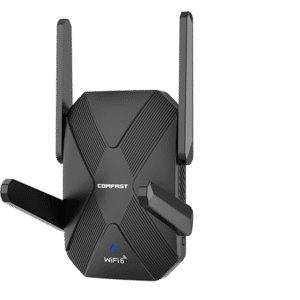
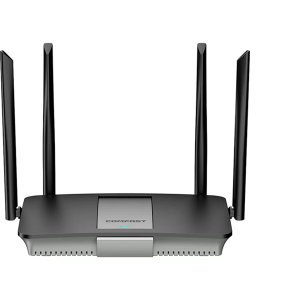
Our team has used COMFAST equipment in many hotel, resort, scenic area, public venue, and outdoor monitoring projects. From our field experience, COMFAST gateways, PoE switches, WiFi 6 routers, ceiling APs, in-wall APs, outdoor APs, and long-distance wireless bridges provide a practical balance of stability, deployment flexibility, centralized power, clean installation, and maintainable network management. For this project, we selected COMFAST CF-AC300 full gigabit core gateway, CF-SG1241P 24-port gigabit PoE switch, CF-WR631AX V2 WiFi 6 router, CF-E390AX WiFi 6 ceiling APs, CF-E391AX WiFi 6 ceiling APs, CF-E593AX WiFi 6 in-wall APs, CF-WA937 outdoor WiFi 6 APs, CF-WA933 outdoor WiFi 6 APs, and CF-E319A V3 long-distance wireless bridges.
This case study documents our Hot Spring Resort Full Solution for Bamboo Valley Hot Spring Resort in Anji, Zhejiang Province, China. The project covered the resort main entrance, visitor center, hotel lobby, front desk, ticketing area, guest room buildings, villa area, private hot spring rooms, public hot spring pools, outdoor hot spring area, SPA center, changing rooms, tea rooms, restaurants, banquet hall, meeting rooms, children’s water park, fitness center, staff offices, staff dormitory, kitchen, warehouse, garden walkways, rest pavilions, viewing platforms, parking lot, security booth, resort roads, boundary areas, and remote CCTV monitoring points.
1. Project Overview
Basic Project Information
Project Name: Project Bamboo Valley Hot Spring Network
Project Location: Anji, Zhejiang Province, China
Site Type: Large mountain-style hot spring resort with hotel rooms, villa suites, private hot spring rooms, public pools, outdoor gardens, restaurants, event facilities, and security monitoring points
Total Resort Area: Approximately 86,000 square meters
Indoor Coverage Area: Approximately 42,000 square meters
Outdoor Coverage Area: Approximately 44,000 square meters
Guest Rooms: 168 rooms across three guest room buildings
Villa Suites: 26 independent villa suites with private hot spring rooms
Daily Visitor Volume: Around 1,500 guests on normal weekdays
Holiday Peak Visitor Volume: More than 4,800 guests during weekends, public holidays, and winter hot spring peak seasons
Main Coverage Areas: Hotel lobby, front desk, ticketing area, visitor center, guest room buildings, villa area, private hot spring rooms, public hot spring pools, outdoor hot spring zone, SPA center, changing rooms, restaurants, banquet hall, meeting rooms, children’s water park, garden walkways, viewing platform, parking lot, security booth, resort roads, and CCTV points
Project Cycle: Seven weeks from site survey to final acceptance, completed through phased construction during low-occupancy periods, late-night windows, early-morning windows, and approved maintenance times.
2. Customer Pain Points Before the Project
Hotel Lobby and Front Desk WiFi Became Congested During Check-In Peaks
During weekend and holiday check-in periods, many guests connected to WiFi at the same time while the front desk also used the network for reservation confirmation, payment, room assignment, and guest service. The original network slowed down when guests gathered in the lobby and ticketing area.
Guest Room Corridors Had Signal, but Rooms Were Weak
The guest room buildings showed WiFi signal in corridors, but several rooms had weak or unstable connectivity. Bathrooms, thick walls, decorative partitions, and room doors caused signal attenuation. Guests complained most often when using video calls, streaming, and business laptops inside rooms.
Villa and Private Hot Spring Room Roaming Was Unstable
The villa area had independent buildings, garden paths, private courtyards, and private hot spring rooms. Guests moved between bedrooms, tea rooms, courtyard spaces, and private pools. The old WiFi caused unstable roaming and occasional disconnections between indoor and semi-outdoor areas.
Outdoor Hot Spring Pools Had Discontinuous Coverage
The outdoor hot spring area had multiple pools, bamboo screens, rock landscaping, wooden structures, steam, and curved walkways. The old system depended on indoor AP leakage and several temporary outdoor devices, so WiFi was not continuous across the public pool zone.
High Humidity Made Installation More Difficult
The SPA center, changing rooms, shower areas, children’s water park, and public hot spring zones had high humidity and water vapor. Equipment could not be installed randomly. Mounting points had to avoid direct steam, splash zones, poor ventilation, and high-temperature wet areas.
Restaurant POS and Ticketing Systems Were Affected by Guest WiFi
The restaurant POS terminals, front desk terminals, ticketing devices, and ordering tablets were not sufficiently separated from guest internet traffic. During meal hours and guest arrival peaks, POS and ticketing systems occasionally became slow or unstable.
Children’s Water Park Became a High-Density Zone
Families stayed longer in the children’s water park area, especially during weekends. Parents used phones for video, messaging, photo uploads, and online payments. The old AP layout did not provide enough capacity for this concentrated user behavior.
Garden Walkways and Viewing Platform Had Weak WiFi
Guests often walked through garden paths, rest pavilions, and viewing platforms after soaking. These scenic outdoor areas had weak or no stable WiFi, which affected guest experience and staff service communication.
Remote CCTV Cameras Were Difficult to Cable
Parking lot cameras, boundary cameras, garden walkway cameras, outdoor pool area cameras, and remote security points were far from the main equipment room. Pulling new cable would have required trenching, landscape disruption, and business interruption. Wireless bridge backhaul was the better solution.
Weak Current Room and AP Records Were Incomplete
The old network had grown in phases over several years. Some APs were not labeled, switch ports were unclear, and several network cables were difficult to trace. The resort IT team wanted a clean, documented, and maintainable system.
3. Customer Requirements
Confirmed Requirements from Resort Management
Stable WiFi coverage for the hotel lobby, front desk, ticketing area, visitor center, guest room buildings, villa area, private hot spring rooms, public pool area, outdoor hot spring zone, SPA center, restaurants, banquet hall, meeting rooms, children’s water park, garden walkways, viewing platform, parking lot, security booth, and resort roads.
Better WiFi capacity for holiday peak periods and winter hot spring peak seasons.
Stable guest room and villa network experience with smoother roaming between indoor rooms, corridors, courtyards, and private pool areas.
Reliable ticketing, front desk, restaurant POS, and ordering network.
Stable CCTV wireless transmission for remote camera points where new cabling would be difficult.
Guest WiFi, guest room network, staff office network, ticketing and POS network, CCTV network, and management network separated by policy.
Centralized PoE power supply for APs, outdoor APs, wireless bridges, and monitoring devices.
Safe and reliable installation in humid hot spring areas, changing rooms, shower zones, and outdoor pool spaces.
Clean installation that does not affect resort aesthetics, guest privacy, hot spring experience, restaurant service, or meeting reception.
Clear handover documents, including AP location maps, bridge alignment records, switch port labels, topology notes, and maintenance guidance.
4. COMFAST Equipment Used in This Project
The following are the main COMFAST equipment models used in this project and their usage descriptions.
| Equipment Model |
Type | Project Use | Reason for Use |
|---|---|---|---|
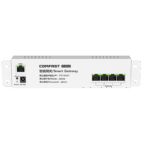
| CF-AC300 | Full gigabit core gateway | Network control, DHCP, guest WiFi policy, guest room network policy, staff office network policy, ticketing and POS network policy, CCTV network planning, and management access | Suitable as the resort core gateway, separating guest traffic from ticketing, POS, staff, CCTV, and management systems |
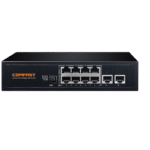
| CF-SG1241P | 24-port gigabit PoE switch | Centralized PoE power and wired distribution for ceiling APs, in-wall APs, outdoor APs, wireless bridges, and selected monitoring devices | Reduces local power adapters, simplifies equipment room management, and makes AP, bridge, and CCTV maintenance easier |
| CF-WR631AX Phiên bản 2 | WiFi 6 router | Hotel office, equipment room, operations center, IT maintenance access, temporary testing, and troubleshooting | Provides controlled WiFi 6 management access for authorized IT staff and maintenance engineers without exposing business systems to guest WiFi |
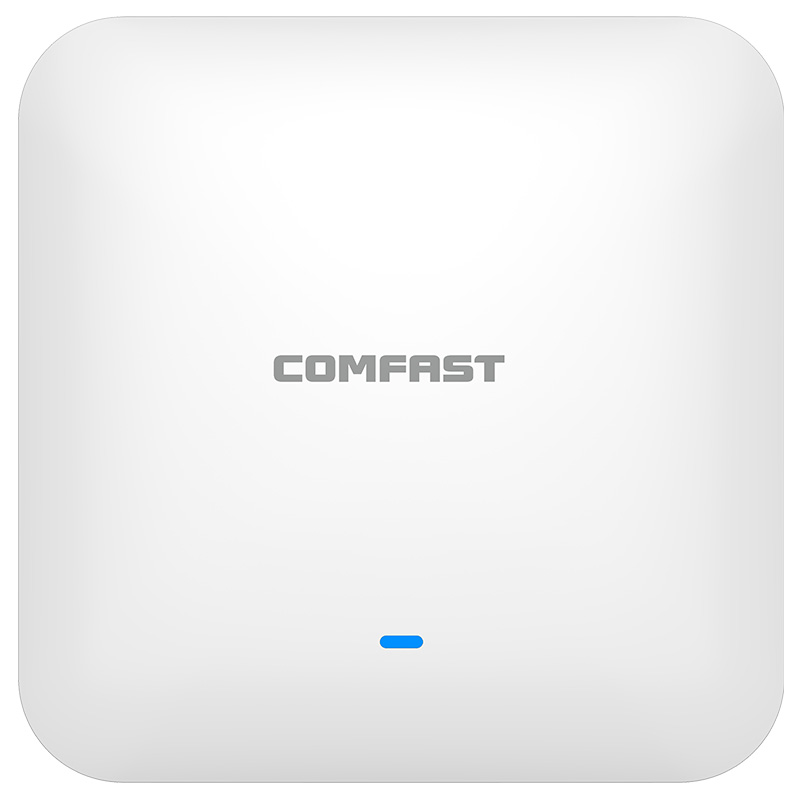
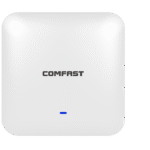
| CF-E390AX | WiFi 6 ceiling AP | Hotel lobby, front desk, visitor center, restaurants, meeting rooms, banquet hall, corridors, elevator lobbies, public rest areas, and medium-density indoor zones | Suitable for general indoor guest and business coverage, supporting check-in, dining, meetings, and public area WiFi access |
| CF-E391AX | WiFi 6 ceiling AP | Public hot spring changing area, SPA center, children’s water park, fitness center, guest room public corridors, rest hall, and indoor leisure areas | Selected for higher-density and higher-bandwidth indoor zones where guest dwell time, humidity considerations, and performance requirements are higher |
| CF-E593AX | WiFi 6 in-wall AP | Guest rooms, private hot spring rooms, villa suites, tea rooms, office rooms, staff dormitory rooms, and small functional spaces | Provides room-level coverage and solves the issue where corridor signal cannot reliably reach guest rooms, villas, and private rooms |
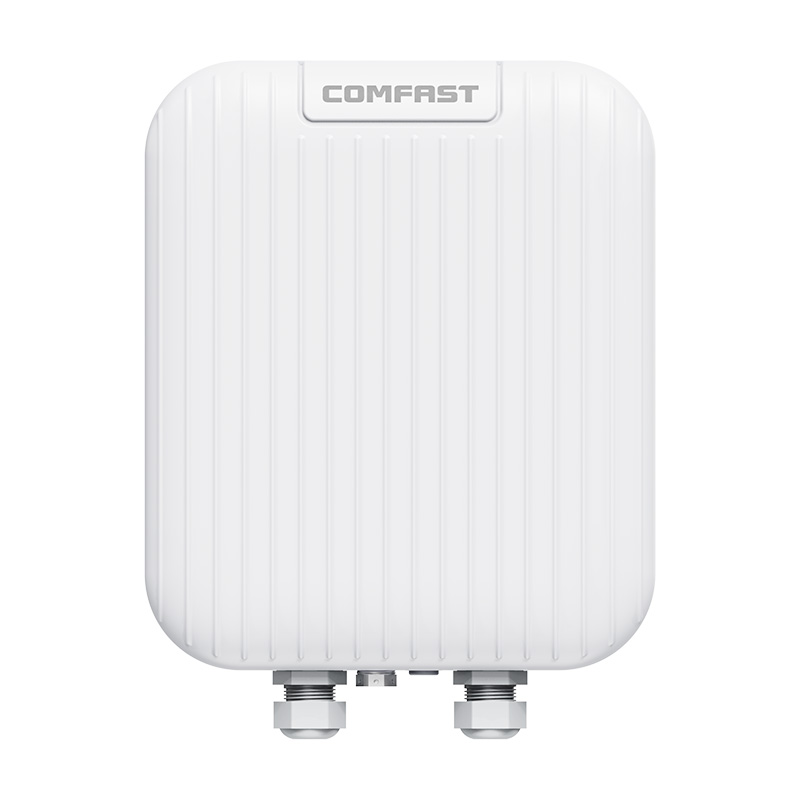
| CF-WA937 | Outdoor WiFi 6 AP | Outdoor hot spring areas, public pool zones, garden walkways, viewing platforms, rest pavilions, resort main entrance, and resort roads | Provides stable outdoor coverage in guest activity areas while allowing installation away from direct steam, splash zones, and high-temperature wet points |
| CF-WA933 | Outdoor WiFi 6 AP | Parking lot, security booth, boundary areas, logistics routes, outdoor dining area, medium-density outdoor zones, and maintenance areas | Completes outdoor coverage for operational and support zones without overbuilding every area with higher-density outdoor APs |
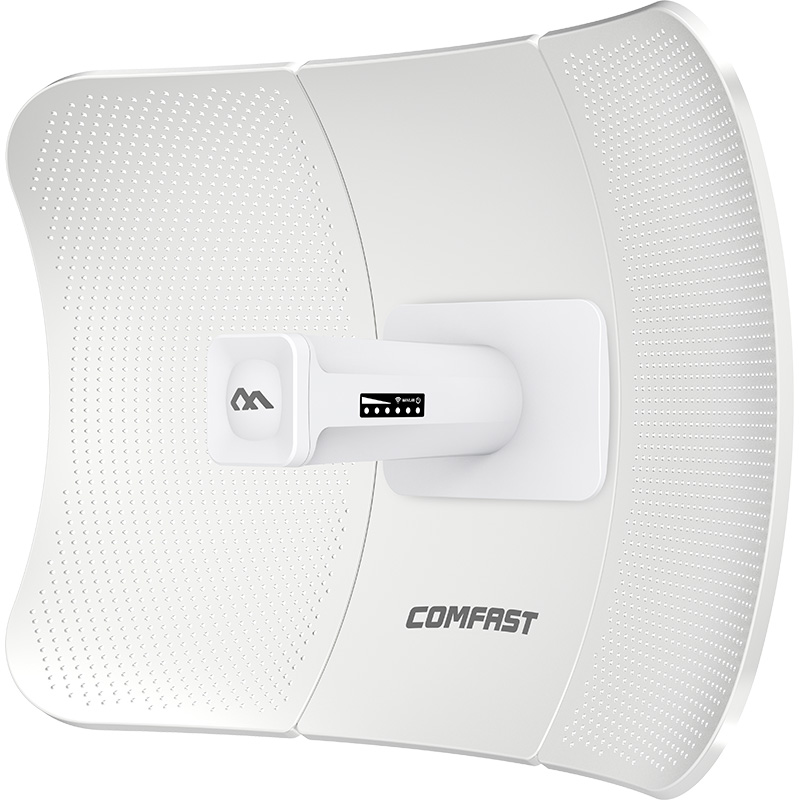
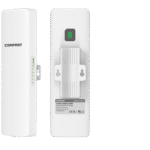
| CF-E319A V3 | Long-distance wireless bridge | 5.8G CCTV wireless transmission for parking lot cameras, boundary cameras, outdoor hot spring area cameras, garden walkway cameras, and remote security points | Avoids trenching through landscaped areas, parking surfaces, garden paths, and resort roads while maintaining stable CCTV backhaul |
5. Project Equipment Configuration Quantity
Based on the approximately 86,000 square meter resort area, 42,000 square meter indoor coverage area, 44,000 square meter outdoor coverage area, 168 guest rooms, 26 villa suites, public hot spring pools, SPA center, changing rooms, restaurants, banquet hall, children’s water park, garden walkways, viewing platforms, parking lot, boundary CCTV points, and peak holiday visitor volume of more than 4,800 guests, the recommended equipment configuration for this project was as follows:
| Equipment Model | Quantity | Deployment Location |
|---|---|---|
| CF-AC300 | 1 unit | Resort main equipment room, used as the core gateway for guest WiFi, guest room network, staff office network, ticketing and POS network, CCTV network, and management access |
| CF-SG1241P | 8 units | Main equipment room, guest room building distribution points, villa area distribution points, hot spring area distribution point, outdoor garden distribution point, parking lot and boundary distribution points for PoE power, AP connection, bridge connection, uplink ports, and maintenance reserve |
| CF-WR631AX Phiên bản 2 | 3 units | Hotel office, equipment room, and operations center for authorized IT staff, maintenance engineers, temporary troubleshooting, and management wireless access |
| CF-E390AX | 28 units | Hotel lobby, front desk, visitor center, restaurants, meeting rooms, banquet hall, corridors, elevator lobbies, public rest areas, and medium-density indoor public zones |
| CF-E391AX | 22 units | Public hot spring changing area, SPA center, children’s water park, fitness center, guest room public corridors, rest hall, indoor leisure areas, and high-density humid indoor zones |
| CF-E593AX | 78 units | Guest rooms, selected villa suites, private hot spring rooms, tea rooms, office rooms, staff dormitory rooms, and wall-separated small functional spaces requiring room-level WiFi coverage |
| CF-WA937 | 20 units | Outdoor hot spring pools, public pool zones, garden walkways, viewing platforms, rest pavilions, resort main entrance, resort roads, villa courtyard transition areas, and guest-facing outdoor activity zones |
| CF-WA933 | 10 units | Parking lot, security booth, boundary areas, logistics routes, outdoor dining area, medium-density outdoor zones, maintenance areas, and staff service paths |
| CF-E319A V3 | 8 pairs | Parking lot camera points, boundary camera points, outdoor hot spring area camera points, garden walkway camera points, remote security points, and hard-to-cable CCTV monitoring locations |
6. Project Topology Diagram

7. Site Survey and Troubleshooting Process
Guest Movement and Resort Operation Survey
We walked the full resort with the general manager, hotel operations manager, IT supervisor, SPA manager, restaurant manager, front desk manager, security supervisor, and maintenance lead. We followed the guest journey from parking and check-in to guest rooms, changing rooms, hot spring pools, SPA areas, restaurants, garden paths, viewing platforms, and villas.
Lobby, Front Desk, and Ticketing Peak Test
We tested the hotel lobby, front desk, ticketing counters, and visitor center during busy check-in periods. These areas required both guest WiFi capacity and reliable business network access for hotel staff.
Guest Room Signal Test
We tested guest room signal from the corridor, inside the bedroom, near the desk, near the bathroom wall, and near the window. This confirmed that room-level AP planning was necessary because corridor signal could not guarantee guest experience inside rooms.
Villa and Private Hot Spring Room Roaming Test
We tested roaming in villa suites, private hot spring rooms, courtyards, tea rooms, and garden paths between villas. The villa area required careful room-level coverage and outdoor transition planning.
Hot Spring Pool Humidity and Mounting Point Review
We inspected public pool areas, outdoor hot spring zones, changing rooms, showers, and SPA rooms for humidity, steam direction, splash risk, cable protection, ventilation, and safe maintenance access. Equipment locations were selected to avoid direct steam and high-temperature wet points.
Children’s Water Park Density Review
We observed family traffic and user dwell time in the children’s water park. This area had concentrated guests for longer periods, so AP placement had to support both signal coverage and capacity.
Restaurant POS and Ordering Terminal Test
We tested POS terminals, ordering tablets, kitchen printing devices, and banquet service terminals. These devices were assigned to a dedicated ticketing and POS network to avoid guest WiFi congestion.
Garden Walkway and Viewing Platform RF Test
We tested the garden walkway, rest pavilions, bamboo landscape paths, resort roads, and viewing platforms. Outdoor AP positions were selected based on actual guest movement, not just map distance.
CCTV Wireless Bridge Path Survey
We inspected parking lot cameras, boundary cameras, outdoor pool cameras, garden walkway cameras, and remote security points. For each CF-E319A V3 bridge link, we checked line of sight, mounting height, tree obstruction, roof edge obstruction, cable protection, grounding, and maintenance access.
Weak Current Room and PoE Readiness Check
We inspected the equipment room, fiber access, grounding, old patch panels, cable routes, PoE demand, and existing device labels. The weak current room needed cleanup and documentation before final handover.
8. Problems Found During Implementation
The Original Router Could Not Handle Holiday Guest Load
The old network could support normal weekday activity but became unstable during holidays. We used the CF-AC300 core gateway to build a structured network with dedicated policies for guest WiFi, room access, staff, POS, CCTV, and management.
Guest Rooms Needed Room-Level Coverage
The guest room buildings were not completely without signal, but the usable signal inside rooms was inconsistent. We deployed CF-E593AX in-wall APs to provide more reliable room-level coverage.
Private Hot Spring Rooms Needed Both Coverage and Privacy
Private hot spring rooms required stable WiFi inside rooms and courtyards, but AP placement could not affect guest privacy or room design. CF-E593AX in-wall APs and carefully tuned outdoor coverage solved the problem without visible clutter.
Hot Spring Pool Areas Required Humidity-Aware Installation
We avoided installing APs directly above pools, steam outlets, shower zones, and splash-heavy locations. Outdoor and indoor APs were placed in protected positions with attention to cable direction, maintenance access, and long-term exposure.
Ticketing and POS Devices Needed Business Network Isolation
Guest WiFi traffic could not share the same policy as ticketing, front desk, restaurant POS, and ordering terminals. We separated ticketing and POS traffic to protect business stability during peak hours.
Garden and Parking Cameras Were Not Practical to Cable
Several camera points were across landscaped areas, garden paths, parking zones, and boundary locations. CF-E319A V3 wireless bridges avoided trenching and reduced impact on resort operations.
Construction Had to Avoid Guest Experience Impact
We could not disturb guest check-in, hot spring soaking, restaurant service, meetings, or villa stays. Installation was scheduled in phases during low-traffic windows, with strict coordination from resort operations.
9. Final Engineering Solution
Core Gateway and Network Policy Control
The CF-AC300 became the core control point for DHCP, guest WiFi, guest room network, staff office network, ticketing and POS network, CCTV network, and management access. This allowed the resort IT team to manage guest traffic and business traffic separately.
Management Wireless Access
The CF-WR631AX V2 was installed in the hotel office and equipment room for authorized maintenance access, temporary testing, and IT troubleshooting.
PoE Distribution
The CF-SG1241P provided centralized PoE power and wired distribution for APs, outdoor APs, wireless bridges, and monitoring devices. This reduced power clutter and made maintenance easier.
Indoor WiFi Coverage
CF-E390AX APs covered the lobby, front desk, visitor center, restaurant, meeting rooms, banquet hall, corridors, elevator lobbies, and public rest areas. CF-E391AX APs covered higher-density or higher-bandwidth indoor zones such as SPA, children’s water park, fitness center, changing area, and guest room corridors. CF-E593AX in-wall APs provided room-level service in guest rooms, villas, private hot spring rooms, tea rooms, offices, and dormitory rooms.
Outdoor WiFi Coverage
CF-WA937 APs were used in guest-facing outdoor zones, including outdoor hot spring pools, garden walkways, viewing platforms, rest pavilions, main entrance, and resort roads. CF-WA933 APs were used in support and medium-density outdoor zones such as parking lot, security booth, boundary areas, logistics routes, and maintenance areas.
CCTV Wireless Transmission
CF-E319A V3 wireless bridges were deployed for parking cameras, boundary cameras, outdoor pool cameras, garden walkway cameras, and remote security points. CCTV traffic was separated from guest and room networks.
10. Different Area Network Design
Main Entrance and Visitor Center Coverage
The main entrance and visitor center required guest WiFi, ticketing access, staff devices, and outdoor coverage. CF-WA937 APs covered the entrance exterior, while CF-E390AX APs covered the indoor visitor center.
Hotel Lobby and Front Desk Coverage
The lobby and front desk used CF-E390AX ceiling APs. Guest WiFi and front desk business terminals were separated by policy to prevent guest traffic from affecting check-in operations.
Ticketing Area Network
Ticketing terminals were placed on the ticketing and POS network. This protected ticket issuing, package verification, payment, and visitor entry processes during holiday peaks.
Guest Room Building Coverage
Guest room buildings used CF-E593AX in-wall APs for rooms and CF-E391AX ceiling APs for public corridors. This solved weak indoor room signal and improved roaming between rooms, elevators, and corridors.
Villa and Private Hot Spring Room Coverage
Villa suites and private hot spring rooms used CF-E593AX in-wall APs for indoor rooms and carefully planned outdoor AP coverage for courtyards and garden paths. This improved private guest experience without visible installation clutter.
Public Hot Spring Pool Area Coverage
The public pool area used CF-WA937 outdoor APs mounted away from direct steam and water splash. AP direction was adjusted toward rest zones, dry walking paths, and guest seating areas.
Outdoor Hot Spring Area Coverage
The outdoor hot spring area had rock landscaping, bamboo screens, and curved walkways. CF-WA937 APs were placed to cover actual guest movement and pool rest areas while avoiding wet high-temperature mounting points.
SPA Center Coverage
The SPA center used CF-E391AX APs in protected indoor positions. The design considered humidity, soundproof rooms, service staff tablets, and guest WiFi experience.
Changing Room and Shower Area Coverage
Changing rooms and shower areas required careful AP placement. Devices were installed away from direct water vapor and splash zones while still supporting guest connectivity and staff service devices.
Tea Room Coverage
Tea rooms used CF-E593AX in-wall APs for quiet, room-level guest coverage. This supported guest browsing, mobile ordering, and light business use.
Restaurant and Banquet Hall POS Network
Restaurants and banquet halls used CF-E390AX APs and a dedicated ticketing and POS network. POS terminals, ordering tablets, kitchen printers, and payment devices were separated from guest WiFi.
Meeting Room Coverage
Meeting rooms used CF-E390AX and CF-E593AX devices depending on room size. The design supported video conferencing, presentations, and guest business access.
Children’s Water Park Coverage
The children’s water park used CF-E391AX APs placed in protected positions. The area was treated as a high-density family zone because guests stayed longer and many devices were active at the same time.
Fitness Center Coverage
The fitness center used CF-E391AX APs. AP placement considered mirrors, metal equipment, user movement, and staff devices.
Staff Office and Dormitory Coverage
Staff offices used the staff office network, while staff dormitories used CF-E593AX APs for room-level access. Staff traffic remained separated from guest WiFi and CCTV traffic.
Kitchen and Warehouse Network
Kitchen and warehouse areas required stable access for ordering terminals, inventory tablets, and service devices. These areas were included in the business network planning rather than treated as ordinary guest WiFi zones.
Garden Walkway Coverage
Garden walkways used CF-WA937 outdoor APs. The design followed guest walking paths, rest points, lighting poles, and landscape structures.
Viewing Platform Coverage
The viewing platform needed guest WiFi for photos, messaging, resort services, and staff communication. CF-WA937 APs provided directional outdoor coverage toward the actual gathering area.
Rest Pavilion Coverage
Rest pavilions were covered as guest dwell zones. AP placement avoided visual disruption and maintained the resort’s landscape style.
Parking Lot Coverage
The parking lot used CF-WA933 APs for staff and guest access near the entrance, while CF-E319A V3 wireless bridges provided CCTV backhaul for camera points.
Security Booth Coverage
The security booth used CF-WA933 APs and controlled staff network access. Security staff could access monitoring and communication tools without using guest WiFi.
Resort Road and Boundary Coverage
Resort roads and boundary areas used outdoor APs and wireless bridge links to support patrol staff, maintenance teams, and remote camera points.
11. Indoor and Outdoor AP Installation Details
Indoor AP Installation
Indoor APs were installed according to ceiling height, decoration style, guest room layout, corridor structure, cable route, fire safety requirements, and maintenance access. In guest-facing areas, we kept APs clean and discreet to protect the resort’s design style.
Humid Area Installation
For hot spring pool areas, changing rooms, SPA rooms, and water park areas, we avoided direct steam, splash zones, and high-temperature wet points. Cable routes were protected, and device locations were selected for safer long-term maintenance.
Outdoor AP Installation
Outdoor APs were mounted based on guest movement, landscape features, road direction, garden lighting poles, rest pavilions, and maintenance access. We selected device direction carefully to cover guest activity zones rather than empty garden areas.
Channel and Power Optimization
After installation, we tuned channels and transmit power. We did not set all APs to maximum power. In a resort with rooms, villas, corridors, outdoor pools, and garden paths, excessive power can create interference and poor roaming. Proper power planning improved guest experience.
Cable Labeling and Cabinet Organization
Every AP, wireless bridge, and important switch port was labeled. We cleaned the equipment room, organized the PoE switch ports, updated cable records, and delivered a clear port map to the resort IT team.
12. Wireless Bridge Transmission Design
Parking Lot Camera Backhaul
Parking lot cameras were connected through CF-E319A V3 wireless bridges. This avoided trenching across the parking surface and reduced construction impact during guest arrival periods.
Boundary Camera Backhaul
Boundary cameras were far from the main equipment room and crossed landscaped areas. Wireless bridges provided stable CCTV return without cutting garden paths or boundary zones.
Outdoor Hot Spring Area Camera Transmission
Outdoor pool cameras were important for safety monitoring. CF-E319A V3 wireless bridge links were aligned to avoid steam-heavy areas and landscape obstruction.
Garden Walkway Camera Backhaul
Garden walkway cameras monitored guest movement and night safety. Wireless bridge transmission avoided long cable runs through bamboo landscapes and stone walkways.
Remote Security Point Backhaul
Remote security points used CF-E319A V3 bridges to return camera traffic to the CCTV network. Each link was tested for video continuity, delay, and nighttime monitoring quality.
13. Network Segmentation and Security Design
Guest WiFi Network
The guest WiFi network served visitors in the lobby, hot spring area, garden paths, restaurants, viewing platforms, and public rest areas. It was isolated from hotel operations, POS systems, CCTV, and management devices.
Guest Room Network
The guest room network supported room internet access, guest devices, and room service connectivity. It was separated from public visitor WiFi in high-traffic resort areas.
Staff Office Network
The staff office network supported hotel operations, administrative offices, service teams, maintenance users, and staff dormitory access. It was separated from guest networks and CCTV traffic.
Ticketing and POS Network
The ticketing and POS network supported front desk terminals, ticketing systems, restaurant POS devices, ordering tablets, kitchen printers, and banquet service terminals. This network was protected from guest WiFi load.
CCTV Network
The CCTV network carried video traffic from indoor cameras, outdoor cameras, and CF-E319A V3 wireless bridge links. Keeping CCTV traffic separate improved monitoring stability and troubleshooting clarity.
Management Network
The management network was reserved for the core gateway, router, PoE switch, APs, wireless bridges, and authorized IT maintenance devices. Access was limited to resort IT and approved engineering staff.
14. What We Did Differently from Other Engineering Teams
We Did Not Extend Lobby WiFi into the Hot Spring Area
A hot spring resort cannot be solved by pushing lobby WiFi toward outdoor pools. We designed separate coverage for guest rooms, villas, public pools, outdoor areas, restaurants, business systems, and CCTV backhaul.
We Designed Around Guest Journey and Dwell Time
We studied how guests moved from parking to lobby, from rooms to changing areas, from pools to restaurants, and from garden paths to villas. AP planning followed real guest behavior and stay duration.
We Treated Humidity as an Engineering Factor
We did not install equipment blindly in wet areas. Steam direction, splash risk, cable routing, maintenance access, and guest safety were all checked before installation.
We Protected Ticketing and POS Traffic from Guest WiFi
Front desk, ticketing, restaurant POS, and ordering devices were placed on dedicated business network policies. This protected operations during holiday guest peaks.
We Used Wireless Bridges Instead of Disruptive Trenching
For remote CCTV points, we used CF-E319A V3 wireless bridges instead of cutting garden paths, parking pavement, and landscaped areas. This protected the resort environment and shortened construction time.
We Delivered a Maintainable System
The resort received AP location records, bridge alignment notes, switch port labels, topology documentation, network segmentation notes, and maintenance guidance. The system was built for long-term resort operations.
15. Project Acceptance Results
Final Acceptance Checklist
Main entrance and visitor center WiFi test passed.
Hotel lobby high-density test passed.
Front desk and ticketing system network test passed.
Guest room network test passed.
Villa and private hot spring room roaming test passed.
Public hot spring pool area WiFi test passed.
Outdoor hot spring area WiFi test passed.
SPA center coverage test passed.
Changing room and shower area coverage test passed.
Restaurant POS transaction test passed.
Banquet hall and meeting room video conference test passed.
Children’s water park high-density test passed.
Garden walkway WiFi test passed.
Viewing platform coverage test passed.
Parking lot WiFi and CCTV test passed.
CF-E319A V3 wireless bridge backhaul test passed.
Guest WiFi, guest room, staff office, ticketing and POS, CCTV, and management network isolation test passed.
Device labels, AP map, bridge alignment records, switch port map, topology diagram, and IT handover completed.
16. Customer and User Feedback
Resort General Manager Feedback
The resort general manager said, “The new network matches our resort operation much better. Guests have stronger WiFi in rooms, villas, hot spring areas, and gardens, while our business systems are more stable.”
Hotel Operations Manager Feedback
The hotel operations manager reported that front desk check-in, guest service tablets, and lobby network performance improved during weekend arrival peaks.
IT Supervisor Feedback
The IT supervisor said, “The port labels, AP records, bridge alignment notes, and network segmentation are very useful. Troubleshooting is much faster than before.”
Front Desk Manager Feedback
The front desk manager confirmed that ticketing and payment systems became more stable after the business network was separated from guest WiFi.
SPA Manager Feedback
The SPA manager said that staff tablets, appointment devices, and guest WiFi access became more reliable in the SPA center and changing areas.
Restaurant Manager Feedback
The restaurant manager reported that POS terminals and ordering tablets stayed stable during dinner peaks and holiday buffet service.
Security Supervisor Feedback
The security supervisor confirmed that parking lot, boundary, outdoor pool, and garden walkway camera feeds became more stable after the CF-E319A V3 wireless bridge deployment.
Villa Guest Feedback
A villa guest said the WiFi connection was smooth when moving between the bedroom, tea room, courtyard, and private hot spring area.
Family Visitor Feedback
A family visitor reported that WiFi in the children’s water park and public pool area was more stable than during previous visits.
Maintenance Technician Feedback
The maintenance technician appreciated the clear AP labels, switch port map, and service-friendly installation locations, especially in outdoor and humid areas.
17. Project Summary
Final Result
Project Bamboo Valley Hot Spring Network was a successful Hot Spring Resort Full Solution in Anji, China. The project solved lobby and front desk congestion, weak room-level guest WiFi, unstable villa roaming, discontinuous outdoor hot spring coverage, SPA and changing room installation challenges, POS and ticketing instability, garden walkway blind spots, remote CCTV backhaul problems, and incomplete network documentation.
The final COMFAST solution used the CF-AC300 full gigabit core gateway, CF-SG1241P 24-port gigabit PoE switch, CF-WR631AX V2 WiFi 6 router, CF-E390AX ceiling APs, CF-E391AX ceiling APs, CF-E593AX in-wall APs, CF-WA937 outdoor APs, CF-WA933 outdoor APs, and CF-E319A V3 wireless bridges. This combination supported guest WiFi, guest room access, staff office access, ticketing and POS stability, CCTV wireless transmission, outdoor garden coverage, hot spring area coverage, and centralized maintenance.
The key value of this project was not simply adding more APs. The real value was designing a resort network around guest experience, humid hot spring environments, room-level coverage, villa roaming, holiday traffic, business system stability, CCTV backhaul, landscape protection, and long-term maintenance.
18. Lessons Learned and Advice to Other Contractors
Lessons Learned
Hot spring resort WiFi must be designed around the full guest journey, not only building coverage.
Guest rooms need room-level testing because corridor signal does not guarantee room experience.
Villa and private hot spring areas need both indoor coverage and outdoor transition roaming.
Hot spring pool areas, SPA rooms, changing rooms, and children’s water parks require humidity-aware installation.
Ticketing, front desk, restaurant POS, and ordering systems must be separated from guest WiFi.
Holiday peak traffic requires capacity planning in the lobby, public pools, restaurant, ticketing area, and children’s water park.
Outdoor garden walkways, viewing platforms, rest pavilions, and resort roads need dedicated outdoor AP coverage.
Wireless bridges are effective for remote CCTV points where cabling would damage landscaping or interrupt resort operations.
Professional handover must include AP maps, bridge records, switch port labels, topology notes, network segmentation notes, and maintenance guidance.
Advice to Other WiFi Engineering Contractors
For hot spring resort projects, do not design only from architectural drawings. Walk the guest route from parking to lobby, from room to pool, from changing room to restaurant, from villa to private courtyard, and from garden paths to viewing platforms. The network must follow how guests actually use the resort.
Do not treat humid areas like normal hotel corridors. Hot spring pools, shower areas, SPA rooms, and water parks require careful installation points, cable protection, and maintenance planning.
Do not mix guests, room networks, staff devices, ticketing systems, POS terminals, cameras, and management devices in one flat network. A professional resort network must protect business systems from public traffic.
A Hot Spring Resort Full Solution is complete only when guests connect smoothly, guest rooms and villas have stable roaming, hot spring areas have continuous coverage, POS and ticketing systems remain reliable, CCTV cameras transmit clearly, and the resort IT team can maintain the system confidently. That was the standard we delivered for Project Bamboo Valley Hot Spring Network.